
Knock Down Rebuild: What You Need to Know Before You Build
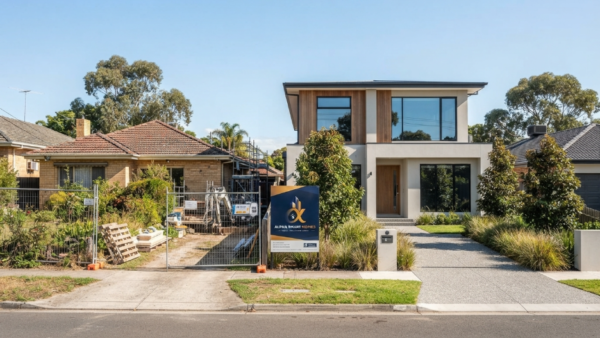
Knock down rebuild projects are becoming an attractive option for homeowners who love their existing location but want a completely modern home. Instead of moving to another suburb or spending years modifying an outdated property, you can remove the existing house and build a new home on the land you already own.
However, a successful knock down rebuild requires careful planning. The cost is not limited to construction. Demolition, design, approvals, site preparation, engineering, temporary accommodation, landscaping and finishing selections can all affect the final budget.
At the same time, rebuilding can provide significant benefits. You get greater design freedom, modern functionality, improved energy efficiency and the opportunity to create a home around your current and future lifestyle.
This guide explains the major knock down rebuild costs, benefits and 10 common mistakes to avoid before construction begins. Whether you are still comparing your options or are ready to speak with a builder, these practical points can help you make a more informed decision.
Table of Contents
- What Is a Knock Down Rebuild?
- How Much Does a Knock Down Rebuild Cost?
- The Main Costs You Should Budget For
- 7 Major Benefits of Rebuilding
- 10 Mistakes to Avoid
- How to Create a Realistic Budget
- How to Choose the Right Builder
- Knock Down Rebuild vs Renovation
- Pre-Build Checklist
- Final Thoughts
What Is a Knock Down Rebuild?
A knock down rebuild involves demolishing an existing residential property and constructing a completely new home on the same block of land.
The concept is straightforward, but the project itself involves several stages. Depending on your property and location, these can include initial consultation, site assessment, design, surveying, engineering, planning and building approvals, demolition, site preparation, construction, interior selections, landscaping and final handover.
One of the biggest reasons homeowners consider this approach is location. You may already love your neighbourhood, schools, transport connections, local amenities and community. Moving could mean giving up those advantages.
A knock down rebuild allows you to keep the location while replacing a home that no longer meets your needs.
It can also provide much greater design freedom than renovating an existing structure. Instead of working around old walls, outdated plumbing, small rooms or an inefficient floor plan, you can create a new layout from the beginning.
The key is to understand what your block can support before you become committed to a particular design.
How Much Does a Knock Down Rebuild Cost?
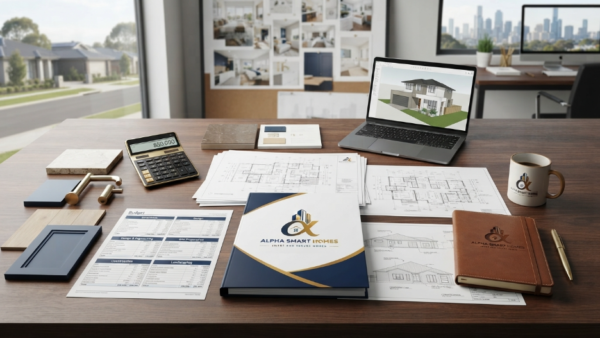
There is no single price that applies to every knock down rebuild. The total investment depends on factors such as the size and complexity of the new home, location, site conditions, demolition requirements, design choices, materials, finishes, approvals and professional fees.
A simple project on a straightforward block can have very different costs from a large, highly customised home on a sloping or difficult site.
Rather than focusing on a single headline construction figure, think about your project as a collection of cost categories.
Your overall budget may include:
- Demolition and waste removal
- Site surveys and soil testing
- Architectural or design fees
- Engineering
- Planning and building approvals
- Site preparation and excavation
- Foundations and structural work
- Construction
- Plumbing and electrical work
- Windows, doors and roofing
- Kitchen and bathroom selections
- Flooring and painting
- Heating, cooling and ventilation
- Landscaping and fencing
- Driveway and external works
- Utility connections
- Temporary accommodation
- Storage and moving expenses
- Contingency for unexpected costs
The most important rule is to budget for the complete project, not just the house itself.
Before starting a knock down rebuild, ask your builder for a detailed explanation of what is included in the quoted price and what may be additional.
The Main Costs You Should Budget For
1. Demolition Costs
The first major cost can be removing the existing property. Demolition requirements vary depending on the building, access, location and materials present.
Older properties may require additional investigation or specialist handling if hazardous materials are suspected. Waste disposal and site clearing can also influence the cost.
Do not assume demolition is a minor expense simply because the old building will no longer exist. Include it in your initial project budget.
2. Design and Professional Fees
A new home needs more than a floor plan. Depending on the project, you may need designers, architects, surveyors, engineers and other professionals.
The complexity of your design can influence these costs. A highly customised home may require more detailed planning and documentation than a straightforward design.
Professional advice early in the process can actually help control costs because it allows potential site and design problems to be identified before construction.
3. Site Preparation
Your block may require excavation, levelling, retaining walls, drainage work or other preparation before construction can begin.
Soil conditions can also affect foundation requirements. Rock, reactive soil, poor drainage or unexpected site conditions may increase the amount of work required.
This is why a site investigation is an important part of knock down rebuild planning.
4. Construction Costs
Construction is usually the largest part of the budget, but even this category contains many individual components.
The size of the home, number of storeys, structural complexity, roof design, windows, doors, cabinetry, bathrooms, kitchen, flooring, appliances and finishes can all influence the final price.
Your choices matter. Premium materials and highly customised features can increase the cost significantly.
A good approach is to identify your priorities early and allocate the budget accordingly.
5. External Works and Landscaping
The house may be the centre of your project, but the completed property includes much more.
You may need to budget for fencing, gates, driveway works, pathways, retaining walls, gardens, outdoor entertaining areas, lighting and other landscaping.
These items are often forgotten when homeowners initially calculate their knock down rebuild budget.
6. Temporary Accommodation and Moving
Because the existing house is demolished, you will generally need somewhere else to live during the project.
Consider rent, utilities, storage, moving costs and potentially multiple moves depending on your circumstances.
Planning these expenses in advance can prevent them from becoming a financial surprise.
7. Contingency
No construction project is completely predictable.
A contingency allowance gives you some protection against unexpected site conditions, design changes, material changes or other unforeseen expenses.
The appropriate amount depends on the project, so discuss it with your builder and financial advisers rather than assuming one percentage applies to every situation.
7 Major Benefits of a Knock Down Rebuild
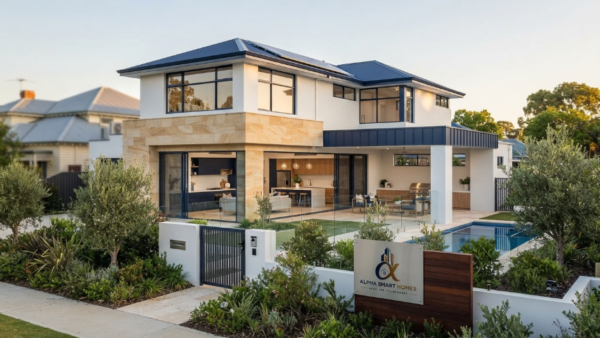
1. Stay in the Location You Love
One of the biggest advantages of a knock down rebuild is that you can remain in your existing location.
If you already love your suburb, neighbours, local facilities and lifestyle, rebuilding allows you to improve your home without starting over in an unfamiliar area.
2. Complete Design Freedom
Renovating an older house often means working around the existing structure.
With a knock down rebuild, you can rethink the entire floor plan. Bedrooms, bathrooms, kitchen, living areas, storage, home offices and outdoor spaces can be planned together.
This gives you an opportunity to create a home that reflects how you actually live.
3. Modern Functionality
Older homes may have small kitchens, limited storage, awkward hallways or rooms that no longer match modern lifestyles.
A new home can be designed around contemporary living requirements, including open-plan spaces, dedicated offices, larger kitchens, practical laundries and improved storage.
4. Energy-Efficient Design
Starting from the beginning gives you the opportunity to consider energy efficiency during the design stage.
Orientation, glazing, insulation, ventilation, shading, lighting and efficient heating and cooling systems can be considered as part of the overall design.
The result can be a more comfortable home with modern performance characteristics.
5. Reduced Need to Compromise
Major renovations often involve compromises because the existing structure determines what can and cannot be changed.
A knock down rebuild can reduce those limitations. You are designing the structure around your goals rather than forcing your goals into an existing structure.
6. Modern Technology and Smart Features
A new home also provides an opportunity to incorporate modern technology from the beginning.
Depending on your preferences, this could include smart lighting, security systems, energy monitoring, automated controls and other connected-home features.
Planning these systems before construction is generally easier than trying to retrofit them later.
7. A Cohesive Finished Home
With a knock down rebuild, the architectural style, structure, interior finishes, services and landscaping can be planned as one overall project.
Instead of combining old and new elements, you can create a consistent design from the front facade to the backyard.
10 Mistakes to Avoid in a Knock Down Rebuild
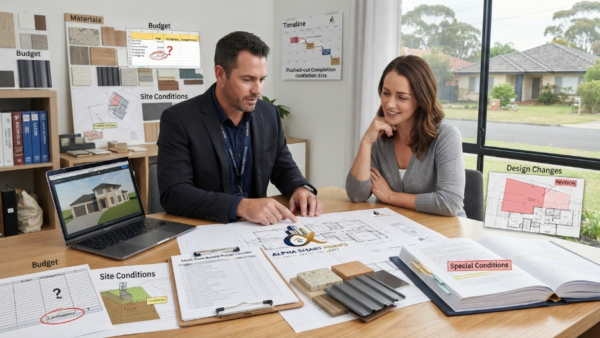
Mistake 1: Starting Without Checking the Block
One of the biggest mistakes is designing your dream home before understanding your land.
Your property may have restrictions involving setbacks, height, site coverage, easements, access, drainage, orientation or other planning considerations.
Before finalising a design, investigate what can realistically be built on your block.
Mistake 2: Focusing Only on the Construction Price
A low construction price can look attractive, but it does not necessarily represent your total project cost.
Demolition, professional fees, approvals, site works, landscaping, appliances and other expenses can sit outside the headline figure.
When comparing builders, compare the inclusions carefully.
Ask:
- What is included?
- What is excluded?
- Which site costs are allowances?
- Are approvals included?
- Are external works included?
- How are variations handled?
A transparent quote makes financial planning much easier.
Mistake 3: Ignoring Site Conditions
Never assume that your land is straightforward because the existing house has been standing there for decades.
Your new home’s foundation and construction requirements can be influenced by soil, slope, drainage, rock and access.
Investigation before construction can help identify potential challenges and allow them to be considered in the design and budget.
Mistake 4: Choosing a Builder Based Only on Price
Price matters, but it should not be the only factor.
Look at the builder’s experience, communication, workmanship, contract, inclusions, project management and previous work.
For a knock down rebuild, you want a team that understands the complete process from demolition through to handover.
Ask to see relevant completed projects where possible.
Mistake 5: Changing the Design Too Often
Design changes can affect both budget and schedule.
It is normal to refine your plans, but constant changes after construction has started can create additional costs and delays.
Spend enough time during the design stage deciding what you really need.
Separate essential features from optional upgrades so you can make decisions more confidently.
Mistake 6: Forgetting Your Future Needs
A new home should not only solve today’s problems.
Think about how your family may use the property in five, ten or even twenty years.
Will you need another bedroom? A home office? More storage? Better accessibility? A flexible living area?
A thoughtful knock down rebuild can provide flexibility that supports your future lifestyle.
Mistake 7: Choosing Trends Over Functionality
A dramatic design may look impressive online, but your home needs to work every day.
Prioritise good room proportions, storage, natural light, practical circulation and comfortable living spaces.
You can incorporate current design trends without allowing them to dominate the entire project.
Timeless materials and thoughtful planning can help your home remain attractive for many years.
Mistake 8: Underestimating the Timeline
Construction can take time, and the complete project timeline includes more than the building stage.
Design, documentation, approvals, demolition, site preparation, construction, selections and finishing work all need to be considered.
Do not base your temporary accommodation plans on an unrealistic completion date.
Ask your builder for a realistic project schedule and keep communication open throughout the process.
Mistake 9: Forgetting About External Areas
Homeowners sometimes spend most of the budget on the house and leave little for the property around it.
Your driveway, fencing, landscaping, outdoor entertaining area and garden contribute significantly to the final appearance and functionality.
Consider the complete property when planning your budget.
Mistake 10: Not Reading the Contract Carefully
A building contract is an important part of your project.
Before signing, make sure you understand the inclusions, exclusions, payment schedule, allowances, variations, timelines and responsibilities of each party.
If something is unclear, ask questions before proceeding.
Professional legal or contractual advice can also be valuable when reviewing significant building agreements.
How to Create a Realistic Knock Down Rebuild Budget
A strong budget begins with your priorities.
Start by defining the type and approximate size of home you want. Then identify the features that are essential to your lifestyle.
For example, your priorities might include:
- A larger kitchen
- Four bedrooms
- A home office
- Two or more bathrooms
- Better storage
- Indoor-outdoor living
- Energy-efficient features
- Smart-home technology
- A secure garage
- Low-maintenance landscaping
Once your priorities are clear, discuss them with your builder.
Your budget should then be divided into major categories so you can see where your money is going.
Avoid spending too much on cosmetic features early in the process while leaving insufficient funds for structural requirements and essential systems.
It is also helpful to maintain a written record of selections and variations.
Whenever you approve a change, make sure you understand its effect on the budget and timeline.
This simple habit can make knock down rebuild projects much easier to manage.
How to Choose the Right Builder
Your builder can have a major influence on the overall experience.
Start by looking for experience with projects similar to yours. A company experienced in new-home construction may have different strengths from a team that regularly manages complex demolition and rebuild projects.
Ask potential builders about:
- Previous knock down rebuild projects
- Design and planning support
- Site assessment
- Construction process
- Communication methods
- Project management
- Contract inclusions
- Expected timeline
- Variation procedures
- Warranty and after-handover support
Look beyond marketing claims and try to understand how the company actually manages its projects.
If you are exploring an Australian home-building team, you can learn more about Alpha Smart Homes through Alpha Smart Homes.
You can also follow Alpha Smart Homes on Facebook for updates and project inspiration.
Knock Down Rebuild vs Renovation
Before committing to a knock down rebuild, it is worth comparing it with renovation.
Renovation may be more appropriate when the existing structure is strong, the floor plan is mostly functional and you only need targeted improvements.
A knock down rebuild may be more suitable when the existing home has significant limitations and you want a completely different layout.
Consider these questions:
| Factor | Knock Down Rebuild | Renovation |
|---|---|---|
| Design freedom | High | Depends on existing structure |
| Existing structure | Removed | Retained |
| Character | Usually replaced | Can often be preserved |
| Layout | Can be redesigned | Often constrained |
| Site issues | Must be investigated | Existing structure remains |
| Energy efficiency | Can be planned from the start | Often requires upgrades |
| Temporary relocation | Usually required | Depends on project |
| Long-term customisation | High | Varies |
Neither option is automatically better.
The right decision depends on the condition of your existing property, your goals, budget and the possibilities offered by your land.
Knock Down Rebuild Pre-Build Checklist
Before you start, make sure you have considered these essential points:
-
Confirm your block is suitable for redevelopment.
-
Check applicable planning and building requirements.
-
Assess the condition of the existing property.
-
Investigate soil, drainage, slope and access.
-
Understand demolition requirements.
-
Establish a complete project budget.
-
Include professional fees and approvals.
-
Allow for temporary accommodation and moving.
-
Set aside a contingency amount.
-
Define your must-have design features.
-
Think about your future lifestyle needs.
-
Compare builders carefully.
-
Review quotes and inclusions.
-
Understand the building contract.
-
Plan major material selections early.
-
Understand how variations are managed.
-
Allow for landscaping and external works.
-
Request a realistic project timeline.
-
Keep written records of important decisions.
-
Confirm who will manage communication throughout construction.
Is a Knock Down Rebuild Worth It?
For many homeowners, a knock down rebuild can be a smart way to create a new home without giving up a location they already love.
The strongest benefit is the ability to start with a clean slate. Instead of spending money trying to force an old structure to meet modern requirements, you can create a home around your lifestyle from the beginning.
But rebuilding is not automatically the right choice for every property.
If the existing house is structurally sound and only requires targeted improvements, renovation may be more practical.
If the property has major limitations, extensive structural problems or a layout that cannot support your needs, rebuilding may offer a more complete solution.
The decision should be based on the total project outcome, not simply the initial price.
Think about what you want your home to achieve, what your land allows, how much you can realistically spend and how long you intend to stay.
Final Thoughts
A knock down rebuild can transform an outdated property into a modern home that is designed around your lifestyle, but successful results depend on preparation.
Start by understanding your block and investigating the existing property. Build a realistic budget that includes demolition, design, approvals, site works, construction, finishes and external works.
Then choose a builder based on experience, transparency, communication and overall value rather than price alone.
Most importantly, avoid the common mistakes that can create unnecessary stress and expense. Do not rush the design, ignore site conditions, underestimate the timeline or forget about future needs.
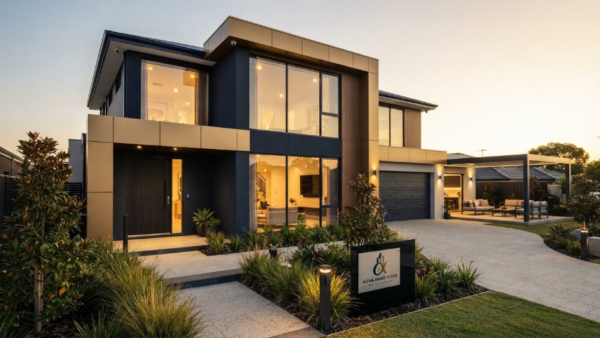
A well-planned knock down rebuild gives you the opportunity to combine modern architecture, functionality, energy efficiency, security and smart-home features in one cohesive property.
If you love your current location but feel that your existing house no longer works for you, rebuilding may be an opportunity worth exploring.
Take the time to compare your options, ask detailed questions and understand the complete project before construction begins. With careful planning and the right building team, your knock down rebuild can turn the property you already own into the smart, secure and comfortable home you have been planning for.


Leave A Comment