
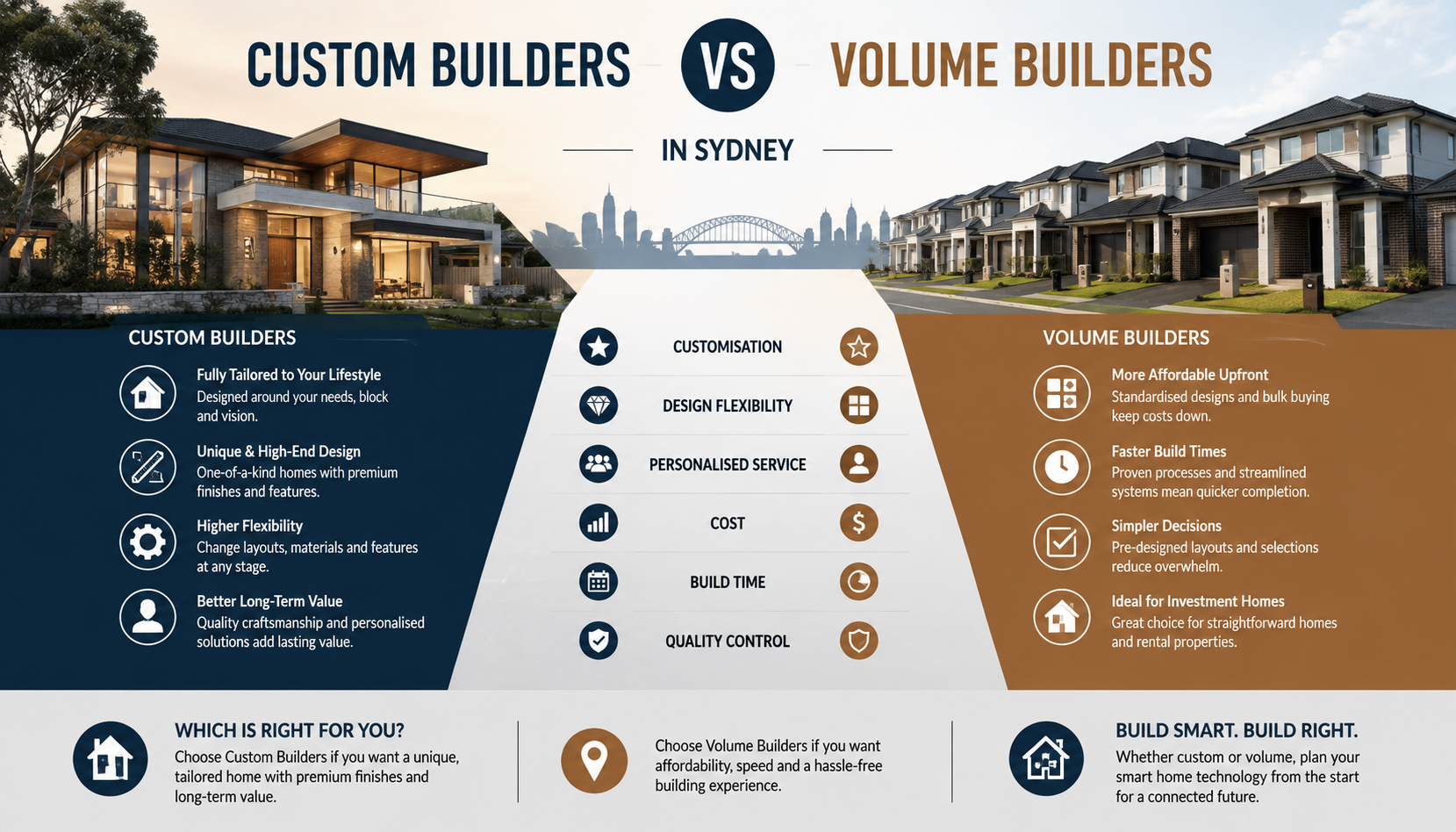
Custom Builders vs. Volume Builders in Sydney: Which Is Right for Your Smart Home in 2026?
Custom Builders vs. Volume Builders: Building a new home in Sydney is a major investment. For many homeowners, the decision is not simply about choosing a floor plan, selecting finishes or deciding how many bedrooms they need. Increasingly, Sydney home buyers also want their properties to be smarter, more connected, energy efficient, secure and future-ready.
That raises an important question:
Should you choose a custom builder or a volume builder for your smart home?
Both options can have advantages. A volume builder may offer standardized processes, established designs and potentially predictable pricing. A custom builder may provide greater flexibility for architectural design, technology integration and individual requirements.
However, when smart home technology is an important part of your new home, the differences can become more significant.
A smart home may require careful Custom Builders coordination between architectural plans, electrical infrastructure, networking, security, lighting, audio-visual systems, climate control, energy management and future technology. The earlier these requirements are considered, the easier it can be to create a cohesive result.
At Alpha Smart Homes, we help homeowners approach smart home technology as part of the overall building strategy—not simply as a collection of devices added after construction.
This guide compares custom builders vs. volume builders in Sydney, explains how each approach can work with smart home technology, and provides a practical checklist to help you make the right decision for your project. click here.
What Is a Custom Home Builder?

Custom Builders: A custom home builder generally works with homeowners to create a home based on their individual requirements rather than relying entirely on a standardized design catalogue.
The level of customization varies between builders, but custom projects can offer greater flexibility in areas such as:
- Floor plan configuration
- Room sizes
- Architectural features
- Electrical layouts
- Lighting design
- Technology infrastructure
- Security systems
- Home entertainment
- Energy management
- Outdoor living
- Accessibility
- Future technology provisions
Custom Builders: For homeowners who want their smart home technology to influence the architectural and electrical design from the beginning, this flexibility can be particularly valuable.
For example, instead of deciding where a television, speaker or Wi-Fi access point should go after the home has been designed, these requirements can potentially be considered during the planning process.
What Is a Volume Builder?
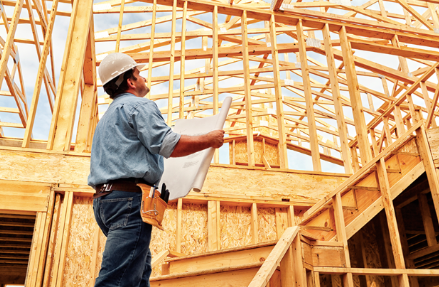
A volume builder typically delivers homes using a more standardized approach.
These companies often offer a range of predetermined designs, layouts, inclusions and upgrade options. Because the same or similar designs may be built repeatedly, volume builders can benefit from established construction processes and economies of scale.
Depending on the builder and package, homeowners may be able to customize selected elements.
These can include:
- Flooring
- Kitchen finishes
- Appliances
- Colors
- Fixtures
- Facades
- Some floor plan options
- Selected electrical upgrades
- Technology packages
However, the degree of flexibility can vary significantly.
For homeowners building a smart home, the key question is not whether a volume builder can include smart technology.
The better question is:
How much freedom do you have to integrate the technology into the home’s underlying infrastructure?
Custom vs. Volume Builders: The Key Difference
The simplest distinction is:
Custom Builders vs. Volume Builders: Volume building focuses on standardization and repeatability, while custom building generally focuses on individualization and flexibility.
Neither approach is automatically better.
The right choice depends on:
- Your budget
- Your design requirements
- Your land
- Your lifestyle
- Your technology goals
- Your willingness to customize
- Your desired level of automation
- Your long-term plans
For a basic smart home, either approach may work well.
Custom Builders vs. Volume Builders: For a highly integrated smart home, the ability to coordinate technology early can become much more important.
Why Smart Home Planning Changes the Builder Decision
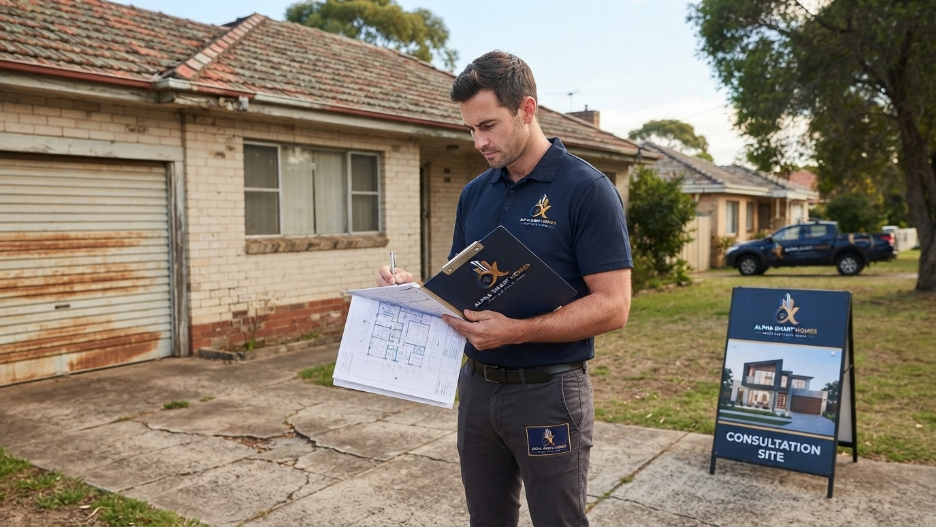
Custom Builders vs. Volume Builders: Traditional home construction primarily focuses on the physical property.
A smart home adds another layer.
You may need to consider:
- Network infrastructure
- Ethernet cabling
- Wi-Fi access points
- Security camera pre-wiring
- Smart lighting
- Automated blinds
- Home theatre
- Whole-home audio
- Smart access
- Climate automation
- Solar and battery monitoring
- EV charging
- Central equipment locations
- Future conduits
These systems do not necessarily need to be installed all at once.
However, their infrastructure may need to be considered early.
This is where builder flexibility becomes important.
Custom Builders and Smart Home Integration
Custom Builders vs. Volume Builders: One of the biggest potential advantages of working with a custom builder is the opportunity to coordinate the home’s design around technology requirements.
Suppose you want a large open-plan living area with:
- Ceiling speakers
- Automated lighting
- Motorized blinds
- A discreet television
- Multiple network connections
- Integrated climate control
Custom Builders vs. Volume Builders: A custom approach may make it easier to discuss these requirements during the design phase.
The architect, builder, electrician and smart home specialist can potentially coordinate the infrastructure before construction reaches the finishing stages.
This can help create a cleaner result.
The Benefits of Custom Builders for Smart Homes
1. Greater Design Flexibility
Custom Builders vs. Volume Builders: A custom builder can potentially accommodate unusual room layouts, architectural features and technology requirements.
This can be particularly useful when your smart home system requires specific equipment locations or cable pathways.
2. More Control Over Infrastructure
Custom Builders vs. Volume Builders: A smart home is heavily dependent on what happens behind the walls.
Custom projects may provide greater opportunity to specify:
- Network outlets
- Equipment locations
- Security camera points
- Speaker cabling
- Control points
- Additional conduits
- Electrical provisions
The exact level of flexibility depends on the builder.
3. Easier Integration With Architectural Design
Custom Builders vs. Volume Builders: Technology can be incorporated into the architecture rather than visually added afterwards.
For example:
- Speakers can be positioned within ceiling plans.
- Security cameras can be located discreetly.
- Control panels can be considered alongside interior design.
- Equipment can be housed in dedicated locations.
- Lighting can be planned around furniture and room usage.
This can be particularly important for architectural homes where aesthetics are a major priority.
4. Greater Future-Proofing Potential
Custom Builders vs. Volume Builders: No homeowner can predict exactly what smart home technology will look like in ten years.
However, a custom project can potentially include provisions such as:
- Spare conduits
- Additional cabling
- Larger equipment locations
- Extra network points
- EV charging infrastructure
- Additional electrical capacity where appropriate
This gives the home greater flexibility.
Potential Disadvantages of Custom Builders
Customization comes with trade-offs.
Higher Design Complexity
Custom Builders vs. Volume Builders: The more customized the project, the more decisions need to be made.
You may need to coordinate:
- Architect
- Builder
- Electrician
- Smart home integrator
- Interior designer
- Security installer
- Audio-visual specialist
Good communication is essential.
Potentially Higher Costs
Custom Builders vs. Volume Builders: Customization can increase project costs depending on materials, design complexity, labor and specifications.
However, a higher initial investment does not automatically mean better value.
The key is determining which customizations genuinely improve the property.
More Decisions
Homeowners may have to make more decisions about:
- Switch locations
- Lighting
- Network points
- Security
- Audio
- Automation
- Equipment locations
This can feel overwhelming without a structured process.
Volume Builders and Smart Home Integration
Custom Builders vs. Volume Builders: Volume builders can also be suitable for homeowners who want smart technology.
Many modern homes can accommodate smart lighting, security, networking and other connected technologies.
The major difference is often the level of customization available.
A volume builder may offer standard technology packages or electrical upgrades.
These can be attractive because they simplify the decision-making process.
Instead of designing an entire technology system, homeowners may select from predefined options.
For some buyers, this is exactly what they want.
The Benefits of Volume Builders for Smart Homes
1. Standardized Construction Processes
Volume builders typically use established designs and construction processes.
This can create efficiencies because the builder and trades are familiar with the standard specifications.
2. Potentially More Predictable Packages
Predefined inclusions can make it easier to understand what is included in the base price and what constitutes an upgrade.
However, homeowners should always carefully review the actual inclusions and exclusions.
3. Simpler Decision-Making
Instead of selecting every individual technology component, you may be able to choose a technology package.
This can be useful for homeowners who want practical smart home features without designing a highly customised automation system.
4. Economies of Scale
Because volume builders construct multiple homes, some materials and processes may benefit from purchasing efficiencies.
This may make certain standard upgrades more accessible.
However, pricing should always be compared based on the complete specification, not just the advertised base price.
Potential Disadvantages of Volume Builders for Smart Homes
Limited Customization
Custom Builders vs. Volume Builders: One of the biggest challenges may be restrictions on where and how technology infrastructure can be installed.
For example, you might want:
- Additional Ethernet outlets
- More security cameras
- Different switch locations
- Ceiling speakers
- Special equipment storage
- Extra conduits
These may not always fit within a standard package.
Technology Packages May Not Meet Every Requirement
Custom Builders vs. Volume Builders: A builder may offer a smart home package, but it is important to understand exactly what that package provides.
Ask:
- Which products are included?
- Which platform do they use?
- Is installation included?
- Is programming included?
- Can the system be expanded?
- Who provides ongoing support?
- Can another smart home specialist integrate with it?
A package that sounds “smart” may only include a few connected devices.
What Should You Ask Your Builder About Smart Technology?
Custom Builders vs. Volume Builders: Regardless of whether you choose a custom or volume builder, ask detailed questions before signing.
1. Can I Use My Own Smart Home Specialist?
Some builders may have preferred suppliers.
Ask whether you can work with an independent smart home company.
2. Can I Add Extra Pre-Wiring?
Ask specifically about:
- Security cameras
- Network cabling
- Speakers
- Home theatre
- Automated blinds
- Future conduits
3. Who Installs the Cabling?
Custom Builders vs. Volume Builders: Do not assume that a “smart home package” includes all required infrastructure.
Ask whether installation is completed by:
- Builder’s electrician
- Specialist integrator
- Technology contractor
- Another trade
4. What Is Included in the Price?
Custom Builders vs. Volume Builders: A low-cost technology package may exclude:
- Installation
- Programming
- Network equipment
- Cabling
- Additional access points
- Configuration
- Future support
Get everything documented.
Why Pre-Wiring Is Particularly Important for New Builds
Custom Builders vs. Volume Builders: Pre-wiring is one of the most important smart home considerations during construction.
It can provide infrastructure for:
- Security cameras
- Wi-Fi access points
- Ethernet outlets
- Ceiling speakers
- Home theatre
- Smart controls
- Automated blinds
- Future technology
Custom Builders vs. Volume Builders: Installing cables before walls and ceilings are closed can be much easier than retrofitting them later.
This is one reason smart home planning should happen before the construction process reaches the finishing stage.
Custom Builder or Volume Builder: Which Is Better for Security?
Custom Builders vs. Volume Builders: Both can provide good security systems.
The difference is usually flexibility.
If you want a highly customized security system with cameras at specific locations, smart access control, intercoms, security lighting and future provisions, a custom building approach may offer greater freedom.
If your requirements are simpler, a volume builder’s standard security options may be sufficient.
The important point is to plan security before construction is complete.
Custom Builder or Volume Builder: Which Is Better for Networking?
Custom Builders vs. Volume Builders: Networking should be treated as essential infrastructure rather than an optional smart device.
Large Sydney homes may have:
- Multiple floors
- Outdoor areas
- Garages
- Home offices
- Entertainment rooms
Custom Builders vs. Volume Builders: A professionally planned network can help provide reliable connectivity across the property.
If you have specific networking requirements, ask your builder whether you can specify:
- Ethernet outlets
- Access point locations
- Structured cabling
- Central network equipment
- Additional conduits
A custom approach can offer greater flexibility, but some volume builders can accommodate these requirements as upgrades.
What About Smart Lighting?
Custom Builders vs. Volume Builders: Smart lighting can range from simple smart globes to fully integrated lighting control systems.
A basic system might provide:
- App control
- Scheduling
- Dimming
- Voice control
A more advanced system can integrate:
- Multiple lighting zones
- Scenes
- Occupancy sensors
- Security
- Motorized blinds
- Entertainment
- Home automation
If lighting is a major part of your smart home vision, discuss the system early.
Switch positions, dimming requirements, control locations and electrical infrastructure can all influence the final result.
What About Solar, Batteries and EV Charging?
Custom Builders vs. Volume Builders: Energy technology should also be considered during the builder selection process.
If you are planning:
- Solar panels
- Battery storage
- EV charging
- Energy monitoring
- Smart energy management
Custom Builders vs. Volume Builders: ask the builder how these systems can be incorporated into the electrical design.
For EV charging, consider the location of the charger, electrical requirements and future expansion.
For solar and batteries, consider equipment locations and how energy monitoring might integrate with the wider smart home.
The objective is to create an energy strategy rather than treating each technology as a separate upgrade.
Smart Homes and Architectural Design
One of the strongest arguments for a custom approach is architectural integration.
A smart home can be highly technological while still appearing visually minimal.
Examples include:
- Concealed speakers
- Recessed access points
- Discreet cameras
- Integrated control panels
- Concealed wiring
- Centralized equipment
- Architectural lighting
When technology is considered during architectural planning, these elements can be incorporated more naturally.
For homeowners building a high-end architectural property in Sydney, this can be particularly important.
How Budget Should Influence Your Decision
Custom Builders vs. Volume Builders: Budget is one of the biggest factors in choosing between custom and volume construction.
However, homeowners should avoid comparing only the headline construction price.
Instead, compare the complete cost of achieving your desired home.
For example:
Volume Builder
Base price + structural upgrades + electrical upgrades + technology upgrades + post-construction smart home installation.
Custom Builder
Custom construction cost + architectural design + technology infrastructure + smart home installation.
The cheaper starting price may not necessarily produce the lower final cost once your requirements are added.
The Smart Home Budget: Prioritize Infrastructure
Custom Builders vs. Volume Builders: If your budget is limited, consider prioritizing infrastructure over decorative technology.
For example, it may be more valuable to install suitable cabling and conduits during construction than to purchase every smart device immediately.
You can add devices later.
Retrofitting infrastructure can be more difficult.
A useful strategy is:
Build the foundation now. Add technology progressively.
Which Builder Is Right for a Basic Smart Home?
A volume builder may be a good fit if you want:
- Standardized construction
- A predictable design
- Basic smart lighting
- Security
- Standard networking
- Simple automation
- Limited customization
If your technology requirements are straightforward, a highly customized construction process may not be necessary.
Which Builder Is Right for an Advanced Smart Home?
Custom Builders vs. Volume Builders: A custom builder may be more suitable if you want:
- Extensive automation
- Whole-home audio
- Advanced security
- Integrated lighting
- Automated blinds
- Complex networking
- Home theatre
- Energy management
- EV integration
- Highly discreet technology
- Extensive future-proofing
Again, this is not an absolute rule.
A capable volume builder may also accommodate sophisticated technology if the project allows sufficient customization.
The Best Option May Be Collaboration
Custom Builders vs. Volume Builders: The builder does not necessarily need to provide every smart home service.
A strong project can involve collaboration between:
Homeowner → Architect/Designer → Builder → Electrician → Smart Home Specialist
Each professional has a different role.
The builder manages construction.
The electrician handles relevant electrical work.
The smart home specialist designs and integrates technology.
The architect or designer considers how technology fits the physical environment.
This collaborative approach can be particularly effective for complex smart home projects.
Alpha Smart Homes: Designing Technology Around Your Home
At Alpha Smart Homes, we believe technology should be planned around the homeowner—not forced into a predetermined template.
Our approach can involve:
Consultation
Understanding your lifestyle, priorities and expectations.
Home and Plan Assessment
Reviewing architectural drawings and identifying technology opportunities.
Smart Home Design
Developing a technology strategy appropriate to the property.
Pre-Wiring Planning
Identifying network, security, audio, control and future infrastructure.
System Selection
Choosing suitable technologies based on compatibility and requirements.
Builder Coordination
Working alongside relevant construction professionals where required.
Installation and Integration
Installing and configuring the selected smart home systems.
Testing and Handover
Ensuring the system operates as intended and explaining its use to homeowners.
The objective is a smart home that feels intuitive rather than complicated.
A Smart Home Builder Checklist for Sydney Homeowners
Before choosing your builder, ask:
Construction
- Is the builder experienced with my type of property?
- Can I customize the floor plan?
- How are variations handled?
- What is included in the contract?
Smart Home Infrastructure
- Can I install additional Ethernet outlets?
- Can I add security camera pre-wiring?
- Can I add speaker cabling?
- Can I install extra conduits?
- Can I specify Wi-Fi access point locations?
- Can equipment be centralized?
Technology
- Can I use an independent smart home integrator?
- Which smart home platforms are supported?
- Are technology upgrades compatible with third-party systems?
- Is programming included?
- Is commissioning included?
Future-Proofing
- Can EV charging provisions be included?
- Can solar and battery infrastructure be accommodated?
- Can additional technology be added later?
- Can spare conduits be installed?
Support
- Who supports the smart home after handover?
- What happens if a device fails?
- Who handles software updates?
- Can the system be expanded?
10 Questions to Ask Before Signing With a Sydney Builder
- Can I customize the electrical and technology layout?
- Can I use my own smart home specialist?
- What pre-wiring is included?
- How much does additional network cabling cost?
- Can I add security camera provisions before construction?
- Can I include home theatre or whole-home audio infrastructure?
- Can EV charging be planned into the electrical design?
- Where will network and smart home equipment be located?
- What technology is included versus treated as an upgrade?
- Can the smart home be expanded in the future?
Do not rely on verbal promises.
Ask for important technology requirements to be documented in the relevant plans, specifications or contract documentation.
Frequently Asked Questions
Are custom builders better for smart homes?
Custom Builders vs. Volume Builders: Not automatically. Custom builders generally provide more design flexibility, which can be useful for complex smart home projects. However, a capable volume builder can also support smart technology when appropriate infrastructure and upgrades are available.
Are volume builders cheaper than custom builders?
Volume builders can offer competitive pricing through standardized designs and processes, but the final cost depends on the home’s specification. Extensive upgrades can change the overall price significantly.
Can I build a smart home with a volume builder?
Yes. Many smart home technologies can be incorporated into standard new homes. The key is determining what the builder allows and whether the available infrastructure meets your requirements.
Should I use a separate smart home company?
If you want a more comprehensive or customized system, working with a dedicated smart home specialist can help with planning, integration, networking, automation and future expansion.
When should I plan smart home technology?
Ideally, before construction begins. Network cabling, security camera pre-wiring, speaker cabling, control locations and other infrastructure should be considered early.
Is smart home pre-wiring worth it?
For many new builds, pre-wiring can provide valuable flexibility. It can make future technology additions easier and help avoid disruptive retrofits.
What is more important: smart devices or infrastructure?
Infrastructure is the foundation. A few high-quality devices connected through reliable infrastructure can often provide a better experience than a large number of poorly integrated products.
Final Verdict: Custom Builder or Volume Builder?
Custom Builders vs. Volume Builders: There is no universal winner in the custom builders vs. volume builders Sydney debate.
The right choice depends on what you want from your home.
Choose a Volume Builder if:
- You prefer standardized designs.
- Your technology requirements are relatively simple.
- You want a streamlined construction process.
- You are comfortable with predefined inclusions and upgrades.
- Your budget benefits from a more standardized approach.
Consider a Custom Builder if:
- You want a highly personalized floor plan.
- Technology is central to your home design.
- You want extensive pre-wiring.
- You require advanced automation.
- You want discreet technology integration.
- You have complex networking or security requirements.
- You want significant future-proofing.
But there is a third and arguably more important consideration:
Who is designing the smart home technology?
Custom Builders vs. Volume Builders: Your builder’s job is to construct the property. A smart home specialist can help ensure the technology strategy, infrastructure and automation requirements are properly considered.
For Sydney homeowners, the smartest approach is to bring technology planning into the project early.
Do not wait until construction is finished to ask where the cameras should go.
Do not wait until handover to discover that your network needs additional access points.
Do not wait until you purchase an electric vehicle to think about EV charging.
And do not assume a “smart home package” automatically means you have a fully integrated smart home.
At Alpha Smart Homes, we help homeowners turn technology requirements into a practical plan that can be coordinated with the construction process.
Whether you choose a custom builder or a volume builder, your goal should be the same:
a reliable, comfortable, secure and future-ready home designed around the way you actually live.
The best smart home is not necessarily the one with the most technology.
It is the one where the right technology, infrastructure and design work together seamlessly.