
Custom Home Builders: 10 Powerful Things to Check Before You Build Your Dream Home
Meta Title: Custom Home Builders: 10 Powerful Things to Check Before You Build
URL: /custom-home-builders-things-to-check-before-you-build/
Building your dream home is an exciting experience, but choosing the right custom home builders can make the difference between a smooth construction journey and a stressful, expensive project. Unlike a production home, a custom home gives you greater control over the design, layout, materials, features, and overall style. That flexibility is a major advantage—but it also means you need the right professional team to turn your ideas into a safe, functional, and beautiful home.
The best custom home builders do more than simply construct walls and install roofs. They help you understand your options, create realistic budgets, manage subcontractors, follow construction plans, communicate throughout the project, and address unexpected challenges. The National Association of Home Builders (NAHB) also recommends researching builders carefully, reviewing their experience, checking references, understanding contracts, and confirming insurance before making a decision.
Before signing a contract or handing over a deposit, take time to compare your options. Here are 10 essential things to check before you choose custom home builders for your next project.
1. Check Their Experience and Track Record of custom home builders
One of the first things to investigate is how much experience the custom home builders have with projects similar to yours. A company may have years of experience in general construction but limited experience designing and building truly customized homes.
Ask how long they have been in business and how many custom homes they have completed. More importantly, ask whether they have built homes with features similar to what you want.
For example, if you want an energy-efficient home, large open spaces, luxury finishes, smart-home technology, or an unusual architectural design, look for builders who have successfully completed comparable projects.
Experience can help a builder anticipate problems before they become expensive mistakes. Experienced custom home builders are also more likely to understand the construction sequence, material requirements, subcontractor coordination, and local building standards.
You can also read our internal guide on how to plan a custom home project to understand the major stages before construction begins.
2. Review Custom Home Builders’ Previous Projects
A portfolio can tell you much more than a company website’s marketing language. Ask to see photographs of recently completed projects and, if possible, visit some of the homes they have built.
Pay attention to workmanship, finishing details, cabinetry, flooring, doors, windows, roofing, exterior materials, and overall construction quality. Don’t focus only on how attractive the home looks in professional photographs.
Ask yourself:
- Are the finishes neat and consistent?
- Do doors and cabinets appear properly installed?
- Are the materials appropriate for the home’s design?
- Does the builder’s work match your preferred style?
- How well have older projects held up?
NAHB recommends touring completed homes and examining the quality of materials and craftsmanship when evaluating a builder.
A strong portfolio gives you evidence of what the custom home builders can actually deliver rather than what they promise to deliver.
3. Ask Custom Home Builders for References From Previous Clients
Don’t choose custom home builders based only on online reviews or impressive photographs. Ask for references from recent clients and contact those homeowners directly.
Ask previous clients about their complete experience—not just whether they liked the finished house.
Useful questions include:
- Was the project completed close to the agreed schedule?
- Did the final cost remain close to the original estimate?
- How did the builder handle unexpected problems?
- Was communication consistent?
- Were changes handled professionally?
- Did the builder keep the job site organized?
- Would you hire the builder again?
The last question can be especially revealing: Would you choose the same builder if you were building your home again?
NAHB specifically recommends asking builders for previous customer references and contacting those customers to learn whether they would hire the builder again.
4. Verify Licensing, Insurance, and Credentials
Before hiring custom home builders, verify that they have the licenses, registrations, insurance, and other credentials required in your location.
The exact requirements vary by state, city, or country, so check with the appropriate local authority rather than assuming every builder follows the same rules.
Ask the builder to provide documentation for relevant insurance, including general liability and workers’ compensation coverage where applicable. Insurance can help protect you from certain financial risks associated with accidents, injuries, or property damage during construction.
You should also check whether the company has a permanent business location and whether it has a history of complaints or unresolved disputes.
NAHB’s builder checklist recommends checking a builder’s business reputation, insurance coverage, references, and contract before hiring.
If a company becomes uncomfortable when you ask for basic documentation, consider that a warning sign.
5. Compare Detailed Estimates From Custom Home Builders—not Just Prices
Price is important, but the cheapest estimate is not necessarily the best deal.
When comparing custom home builders, ask each company for a detailed written estimate that explains what is included in the project. A low initial price may exclude important items that later become additional expenses.
Compare details such as:
- Foundation and structural work
- Roofing
- Windows and doors
- Plumbing
- Electrical systems
- Heating and cooling
- Flooring
- Cabinets
- Countertops
- Paint and finishes
- Appliances
- Landscaping
- Permits and fees
- Site preparation
Ask about allowances and potential additional costs as well. If one builder’s estimate is dramatically lower than the others, don’t automatically celebrate. Find out why.
NAHB advises consumers to be cautious about unusually low bids and notes that a lower price does not necessarily mean better value.
The goal is not to find the cheapest custom home builders. The goal is to find a builder who offers a realistic price for the quality, scope, and service you expect.
6. Understand the Contract Before Signing
A detailed contract is one of the most important protections in a custom home project.
Before choosing custom home builders, ask for a complete written agreement and read it carefully. The contract should clearly explain the scope of work, responsibilities, payment schedule, materials, project timeline, procedures for changes, and other important terms.
Look for information about:
- Total project price
- Payment schedule
- Construction milestones
- Materials and specifications
- Change orders
- Allowances
- Completion dates
- Warranty terms
- Responsibilities of the builder and homeowner
- Dispute-resolution procedures
Don’t rely on verbal promises. If an important feature or agreement matters to you, make sure it is documented.
NAHB notes that a qualified builder should provide a written estimate and detailed contract that identifies the work to be performed and the payment schedule.
For complex projects, you may also want a qualified construction attorney or other appropriate professional to review the agreement before you sign.
7. Ask How They Handle Communication
Good communication can make a major difference during a long construction project.
Even highly experienced custom home builders cannot prevent every unexpected issue. Weather, material delays, design changes, inspection requirements, and site conditions can affect a project. What matters is how the builder communicates when something changes.
Before signing, ask:
- Who will be my main contact?
- How often will I receive project updates?
- Will updates be sent by email, phone, or a project-management system?
- Who makes decisions when problems occur?
- How quickly are questions normally answered?
- Can I visit the construction site?
- How are design changes documented?
Choose a builder whose communication style matches your expectations.
NAHB also recommends establishing clear communication expectations with your builder because you will work closely together throughout the construction process.
8. Understand the Timeline and Construction Process
A dream home does not appear overnight. Custom construction involves design, planning, permitting, site preparation, foundation work, framing, mechanical systems, insulation, interior finishes, inspections, and final completion.
Ask your custom home builders to explain the expected construction process from start to finish.
You should understand:
- When design and planning will be completed
- When permits will be obtained
- When construction is expected to begin
- Major construction milestones
- Expected completion date
- What factors could cause delays
- How delays will be communicated
Remember that a construction schedule is an estimate, not always a guarantee. Material shortages, weather, inspections, design changes, and unexpected site conditions can affect the timeline.
A professional builder should be willing to explain these possibilities instead of promising an unrealistic completion date simply to win your business.
9. Ask Custom Home Builders About Materials, Subcontractors, and Quality Control
Your home is only as strong as the systems and workmanship behind it. That’s why you should ask custom home builders who will actually perform the work.
Many builders rely on subcontractors for plumbing, electrical, roofing, HVAC, painting, flooring, and other specialized work. Ask how subcontractors are selected and managed.
Questions to ask include:
- Who will supervise the construction site?
- Which trades will be subcontracted?
- How long have you worked with your subcontractors?
- Who checks the quality of completed work?
- What happens if a subcontractor does not meet expectations?
- Can I review material specifications before installation?
You should also discuss the brands, grades, and specifications of major materials. “High quality” can mean different things to different people, so specific product descriptions are better than vague promises.
This is particularly important for kitchens, bathrooms, roofing, insulation, windows, flooring, and mechanical systems where material quality can affect long-term performance.

10. Check Warranty and Post-Construction Support
Your relationship with custom home builders should not necessarily end when you receive the keys.
Before signing, ask what type of warranty or post-construction support the builder provides. Get the warranty information in writing and understand what is covered, what is excluded, and how long coverage lasts.
Ask:
- How do I report a problem after completion?
- Who handles warranty requests?
- What is the response process?
- Which materials have separate manufacturer warranties?
- Is there a final inspection or walkthrough?
- Will I receive maintenance information for major systems?
A builder who provides clear post-construction support demonstrates that they are thinking beyond the final payment.
NAHB’s consumer guidance also recommends asking builders whether they offer a warranty program and obtaining relevant warranty documentation for a new home.
Red Flags to Watch for When Choosing Custom Home Builders
Knowing what to look for is important, but knowing what to avoid can be equally valuable.
Be cautious if custom home builders:
- Refuse to provide references
- Avoid giving you a written contract
- Cannot provide appropriate insurance documentation
- Give an unusually low estimate without explaining it
- Pressure you to make an immediate decision
- Frequently change the quoted price without documentation
- Avoid answering questions about subcontractors
- Make unrealistic promises about completion dates
- Have poor or inconsistent communication
- Ask for payments that do not match the agreed schedule
One red flag alone may not prove that a builder is unreliable, but several warning signs together deserve serious consideration.
You can also review NAHB’s consumer resources for finding qualified builders for additional guidance.
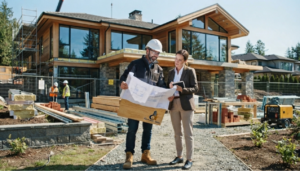
Custom Home Builders vs. Production Builders
Understanding the difference between custom and production construction can help you decide what type of builder you actually need.
Production builders generally work from a selection of predetermined floor plans and build multiple homes, often within a planned development. Custom custom home builders, on the other hand, generally provide more flexibility in design and may build on land owned by the customer.
According to NAHB, custom homes allow owners greater flexibility in home design and architecture, while production homes typically use a more limited selection of designs.
If personalization is your top priority, working with experienced custom home builders may give you more control over the layout, materials, finishes, and features of your home. Alpha Smart Home.
How to Choose the Best Custom Home Builders for Your Project
After checking all 10 factors, create a shortlist of two to four qualified custom home builders. Compare them based on more than price.
A useful comparison should include:
| Factor | What to Look For |
|---|---|
| Experience | Similar custom projects completed successfully |
| Portfolio | Quality workmanship and design |
| References | Positive feedback from recent clients |
| Insurance | Appropriate coverage and documentation |
| Pricing | Detailed and realistic estimate |
| Contract | Clear scope, payments, and responsibilities |
| Communication | Responsive and organized |
| Timeline | Realistic construction schedule |
| Quality | Reliable materials and subcontractors |
| Warranty | Clear post-construction support |
This approach makes it easier to identify the builder who offers the best overall value rather than simply the lowest price.
Final Thoughts
Choosing custom home builders is one of the most important decisions you will make before building your dream home. The right builder can help turn your ideas into a practical design, manage the construction process, control costs, coordinate skilled professionals, and deliver a home you can enjoy for years.
Before you choose a company, check its experience, portfolio, references, credentials, insurance, pricing, contract, communication process, timeline, construction quality, and warranty support. Don’t rush the decision simply because you are excited to begin construction.
Your home is a major investment, so the builder you choose deserves careful research.
The best custom home builders will not simply tell you what you want to hear. They will ask questions, explain your options, identify potential challenges, provide clear documentation, communicate honestly, and help you make informed decisions throughout the project.
If you are preparing to build your dream home, start by creating a list of your must-have features, setting a realistic budget, researching qualified builders, and comparing detailed proposals. You can also read our internal guide on custom home design ideas and planning and how to create a realistic home-building budget before contacting builders.
A little research before construction can save you significant time, money, and frustration later. Choose carefully, ask the right questions, and make sure your custom home builders understand your vision before construction begins.
Frequently Asked Questions
1. How do I find reliable custom home builders?
Start by researching local builders, reviewing their portfolios, checking references, verifying credentials and insurance, and comparing detailed written proposals. Industry resources such as NAHB can also help homeowners understand what to look for when selecting a builder.
2. Should I choose the cheapest custom home builder?
Not necessarily. A very low bid may leave out important costs or use different materials and specifications. Compare the complete scope of work, materials, experience, contract terms, communication, and warranty—not just the final price.
3. What should be included in a custom home contract?
A contract should clearly explain the scope of work, pricing, payment schedule, materials, project responsibilities, change-order procedures, timeline, and warranty terms. Have the contract reviewed by an appropriate professional if you are unsure about its legal or financial implications.
4. How many custom home builders should I compare?
There is no universal number, but comparing several qualified builders can help you identify differences in experience, pricing, communication, and project approach. Focus on quality and suitability rather than collecting a large number of random quotes.
5. Why are references important when choosing custom home builders?
References let you hear directly from people who have already worked with the builder. Ask about communication, budget, schedule, workmanship, problem-solving, and whether they would hire the builder again. NAHB recommends contacting previous customers as part of the selection process.
. Check Their Experience and Track Record
One of the first things to investigate is how much experience the custom home builders have with projects similar to yours. A company may have years of experience in general construction but limited experience designing and building truly customized homes.
Ask how long they have been in business and how many custom homes they have completed. More importantly, ask whether they have built homes with features similar to what you want.
For example, if you want an energy-efficient home, large open spaces, luxury finishes, smart-home technology, or an unusual architectural design, look for builders who have successfully completed comparable projects.
Experience can help a builder anticipate problems before they become expensive mistakes. Experienced custom home builders are also more likely to understand the construction sequence, material requirements, subcontractor coordination, and local building standards.
You can also read our internal guide on how to plan a custom home project to understand the major stages before construction begins.
2. Review Their Previous Custom Homes
A portfolio can tell you much more than a company website’s marketing language. Ask to see photographs of recently completed projects and, if possible, visit some of the homes they have built.
Pay attention to workmanship, finishing details, cabinetry, flooring, doors, windows, roofing, exterior materials, and overall construction quality. Don’t focus only on how attractive the home looks in professional photographs.
Ask yourself:
- Are the finishes neat and consistent?
- Do doors and cabinets appear properly installed?
- Are the materials appropriate for the home’s design?
- Does the builder’s work match your preferred style?
- How well have older projects held up?
NAHB recommends touring completed homes and examining the quality of materials and craftsmanship when evaluating a builder.
A strong portfolio gives you evidence of what the custom home builders can actually deliver rather than what they promise to deliver.
Facebook link – Click Here.
3. Ask for References From Previous Clients
Don’t choose custom home builders based only on online reviews or impressive photographs. Ask for references from recent clients and contact those homeowners directly.
Ask previous clients about their complete experience—not just whether they liked the finished house.
Useful questions include:
- Was the project completed close to the agreed schedule?
- Did the final cost remain close to the original estimate?
- How did the builder handle unexpected problems?
- Was communication consistent?
- Were changes handled professionally?
- Did the builder keep the job site organized?
- Would you hire the builder again?
The last question can be especially revealing: Would you choose the same builder if you were building your home again?
NAHB specifically recommends asking builders for previous customer references and contacting those customers to learn whether they would hire the builder again.

4. Verify Licensing, Insurance, and Credentials
Before hiring custom home builders, verify that they have the licenses, registrations, insurance, and other credentials required in your location.
The exact requirements vary by state, city, or country, so check with the appropriate local authority rather than assuming every builder follows the same rules.
Ask the builder to provide documentation for relevant insurance, including general liability and workers’ compensation coverage where applicable. Insurance can help protect you from certain financial risks associated with accidents, injuries, or property damage during construction.
You should also check whether the company has a permanent business location and whether it has a history of complaints or unresolved disputes.
NAHB’s builder checklist recommends checking a builder’s business reputation, insurance coverage, references, and contract before hiring.
If a company becomes uncomfortable when you ask for basic documentation, consider that a warning sign.
5. Compare Detailed Estimates—not Just Prices
Price is important, but the cheapest estimate is not necessarily the best deal.
When comparing custom home builders, ask each company for a detailed written estimate that explains what is included in the project. A low initial price may exclude important items that later become additional expenses.


Leave A Comment