
Building Construction Materials: A Complete Guide for Strong and Durable Homes
When planning a new home or construction project, choosing the right building construction materials is one of the most important decisions a property owner can make. The materials used in a building influence its structural strength, durability, safety, energy performance, appearance, maintenance requirements, and overall lifespan. A beautiful architectural design cannot deliver its full potential if poor-quality or unsuitable materials are used during construction. From the foundation beneath the ground to the roof above the building, every component depends on materials that are appropriate for the project’s structural, environmental, and functional requirements. At Alpha Smart Homes, we believe that successful construction starts with informed material selection and careful planning. Concrete, cement, reinforcement steel, bricks, blocks, aggregates, timber, glass, roofing systems, insulation, waterproofing products, flooring, wall finishes, doors, windows, and other construction products each have a specific role in creating a complete building. However, selecting materials should never be based simply on the lowest purchase price. Quality, specifications, durability, availability, installation requirements, maintenance, environmental conditions, and long-term performance should all be considered. This comprehensive guide explains the most important building construction materials, how they are used, what factors should influence material selection, and how homeowners can make better construction decisions. Whether you are building a family home, renovating an existing property, developing a residential project, or planning a larger construction investment, understanding construction materials can help you communicate more effectively with architects, engineers, contractors, suppliers, and construction professionals.
What Are Building Construction Materials?
Building construction materials are the products and substances used to construct, strengthen, protect, insulate, finish, and maintain buildings and other structures. They range from basic structural ingredients such as cement, aggregates, concrete, and reinforcement steel to architectural and finishing products such as glass, tiles, paint, timber, doors, windows, roofing systems, and decorative surfaces. Different materials have different physical and mechanical properties, meaning that each material must be selected according to the specific application in which it will be used. For example, concrete is widely used because of its compressive strength and versatility, while reinforcement steel is incorporated into reinforced concrete because it provides important tensile capacity. Bricks and blocks are frequently used for walls, timber may be used for architectural features or specific structural applications, and glass can provide daylight, visibility, and modern architectural aesthetics. Waterproofing materials help protect buildings from moisture, while insulation can improve thermal performance and indoor comfort. The correct combination of these materials creates a building system rather than simply a collection of individual products. For a construction company such as Alpha Smart Homes, material selection must therefore be considered as part of the overall design and construction process. The location, climate, soil conditions, structural design, building use, expected occupancy, maintenance requirements, available budget, applicable regulations, and desired architectural appearance can all affect the final material specification. Understanding the purpose of each material helps homeowners make better decisions and reduces the possibility of choosing products that are unsuitable for a particular application.
Common Categories of Building Construction Materials
| Category | Examples | Typical Purpose |
|---|---|---|
| Structural materials | Concrete, steel, masonry | Supporting building loads |
| Masonry materials | Bricks, blocks, mortar | Walls and partitions |
| Roofing materials | Metal, tiles, membranes | Weather protection |
| Insulation | Mineral wool, fiberglass, foam | Thermal and acoustic performance |
| Finishes | Tiles, paint, plaster, stone | Appearance and protection |
| Glazing | Tempered, laminated, insulated glass | Windows and facades |
| Waterproofing | Membranes, coatings, sealants | Moisture protection |
| Wood products | Timber, plywood, engineered wood | Structural and architectural applications |
Why Quality Building Construction Materials Matter
The quality and suitability of building construction materials can have a direct influence on the performance and longevity of a building. Construction is a long-term investment, so material decisions should be evaluated beyond their initial purchase cost. A material that appears inexpensive at the beginning may become expensive if it requires frequent repair, replacement, additional maintenance, or corrective work. Conversely, a properly specified and durable material may provide better long-term value even when its initial cost is higher. Quality materials also need to be compatible with the design and installation method. A technically excellent product can still perform poorly if it is installed incorrectly, stored improperly, exposed to unsuitable environmental conditions, or used outside the manufacturer’s intended application. For this reason, material quality control should continue throughout the construction process, from procurement and delivery to storage, installation, inspection, and final completion. Professional construction teams should also consider relevant technical specifications and applicable building requirements before materials are selected. At Alpha Smart Homes, material decisions should be approached as part of a complete construction strategy rather than as isolated purchasing decisions. The goal is to achieve an appropriate balance between structural performance, durability, aesthetics, construction efficiency, maintenance, and project budget. Homeowners should also understand that different areas of a building can have completely different material requirements. A bathroom requires moisture-resistant materials, an exterior wall needs weather resistance, a roof needs effective water management, and structural elements require materials with appropriate engineering properties. Therefore, quality means not only buying a premium product but choosing the right material for the right application and ensuring that it is installed correctly.
Major Benefits of Proper Material Selection
- Better structural performance
- Improved durability
- Greater resistance to weather and moisture
- Reduced maintenance requirements
- Improved energy performance
- Better interior and exterior appearance
- More predictable construction quality
- Potentially lower lifecycle costs
- Improved occupant comfort
- Better long-term property value
Concrete: A Fundamental Construction Material
Concrete is one of the most widely used building construction materials in residential, commercial, and infrastructure projects around the world. It is commonly produced using cementitious materials, water, fine aggregates, coarse aggregates, and, when required, chemical or mineral admixtures. Once mixed and properly placed and cured, concrete develops significant compressive strength and can be formed into foundations, columns, beams, slabs, walls, stairs, pavements, and many other components. The performance of concrete depends on several factors, including mix proportions, material quality, water content, placement, compaction, curing, environmental exposure, and workmanship. Simply having a large quantity of cement does not automatically guarantee high-quality concrete; the overall mixture and construction process must be appropriately designed and controlled. Concrete is particularly valuable because it can be produced in different grades and formulations for different structural and environmental requirements. For example, a foundation may have different performance requirements from a decorative architectural element or a high-traffic pavement. Reinforced concrete combines concrete with steel reinforcement to create structural elements that can resist different types of loading. Proper curing is also extremely important because concrete needs sufficient moisture and suitable conditions during its early development to achieve the intended properties. At Alpha Smart Homes, concrete selection should be coordinated with structural design and project specifications rather than determined solely by visual appearance or price. Homeowners should also understand that concrete quality depends on the complete supply and placement process. Aggregates should be appropriate and clean, water should be suitable, batching should be controlled, and placement should be performed correctly. Proper construction practices can significantly improve the reliability and durability of concrete structures.
Cement: The Binding Material Behind Modern Construction
Cement is another fundamental component among building construction materials, particularly because it is used in concrete, mortar, grout, plastering applications, and various construction products. Cement reacts chemically with water through hydration, creating a hardened binder capable of holding other materials together. Although cement is often discussed as though it were interchangeable across all applications, different cement products and formulations can have different characteristics and may be appropriate for different project requirements. Correct storage is also important because cement can deteriorate when exposed to moisture before use. Bags should generally be stored in appropriate dry conditions and protected from direct exposure to water. In concrete production, cement works together with aggregates and water, meaning that the performance of the final concrete depends on the entire mixture rather than cement alone. Excessive water can negatively affect certain concrete properties, while insufficient water can make placement and compaction difficult. For masonry, cementitious mortar provides the bonding medium between bricks or blocks, and the mortar must be compatible with the masonry units and intended application. Cement is also used in plastering and rendering, where proper proportions and workmanship influence cracking, adhesion, surface quality, and durability. When planning a construction project with Alpha Smart Homes, cement should therefore be considered according to the relevant application and technical requirements. Material selection should account for the project environment, structural requirements, availability, storage conditions, and manufacturer or engineering specifications. Good construction practice also requires careful handling and appropriate mixing procedures. By treating cement as an engineered construction component rather than simply a commodity, construction teams can better manage consistency and quality throughout the project.
Reinforcement Steel: Strengthening Concrete Structures
Reinforcement steel is one of the most important building construction materials used in reinforced concrete construction. Concrete performs particularly well under compression but has limited tensile capacity, so steel reinforcement is commonly incorporated into concrete structural elements to help resist tensile forces and control cracking. Reinforcement bars may be used in foundations, columns, beams, slabs, retaining walls, stairs, and other reinforced concrete components according to the structural design. The quantity, diameter, spacing, placement, anchorage, laps, and detailing of reinforcement should be determined by qualified structural professionals rather than selected based solely on convenience or cost. Steel reinforcement also needs appropriate concrete cover to help protect it from environmental exposure and corrosion. Proper storage is important because excessive contamination, damage, or inappropriate handling can affect construction quality. Steel should be identified and handled according to the project specifications, and cutting or bending should follow the approved reinforcement schedule. During installation, reinforcement needs to remain in the correct position while concrete is placed. Improper placement can reduce the effectiveness of the structural system even if the steel itself is high quality. This illustrates an important principle in construction: the quality of a material cannot be separated completely from the quality of its installation. Alpha Smart Homes can use project-specific engineering requirements to coordinate reinforcement work with the broader construction process. When concrete and reinforcement steel are properly designed, specified, installed, and protected, reinforced concrete can provide a robust structural system for many types of buildings. Homeowners should always rely on qualified engineers for structural reinforcement specifications instead of attempting to determine bar sizes or quantities independently.
Bricks and Concrete Blocks for Strong Walls
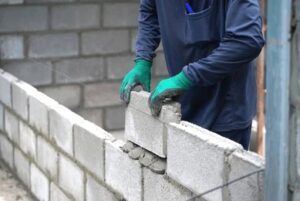
Bricks and concrete blocks are widely used building construction materials for creating exterior walls, interior partitions, boundary walls, and other masonry elements. Traditional clay bricks remain popular in many regions because they are durable, familiar to local construction workers, and available in a variety of sizes and appearances. Concrete blocks, meanwhile, can provide efficient wall construction and are manufactured in different configurations depending on their intended application. Masonry performance depends on more than the quality of the individual units. Mortar selection, joint thickness, alignment, curing, workmanship, moisture management, and structural detailing can all influence the final result. Poorly aligned masonry can create aesthetic problems as well as construction difficulties, while inappropriate mortar or inadequate workmanship may contribute to cracking and moisture-related issues. The choice between different masonry products should therefore be based on the building design, wall function, local environmental conditions, required performance, availability, and project specifications. Some walls may require thermal or acoustic considerations, while others may primarily function as partitions or architectural surfaces. At Alpha Smart Homes, masonry selection should be coordinated with architectural and structural requirements so that the wall system works effectively with other building components. Homeowners should also consider how masonry will interact with windows, doors, waterproofing systems, electrical installations, plumbing, and interior finishes. Good wall construction requires accurate setting out, consistent workmanship, proper jointing, and appropriate curing and protection. Selecting reliable bricks or blocks is only the first step; achieving a durable masonry wall requires the entire wall assembly to be properly designed and constructed.
Aggregates and Sand in Construction
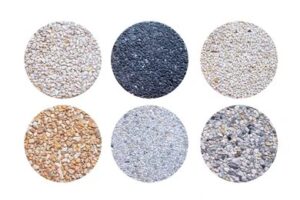
Aggregates are essential building construction materials because they form a major portion of concrete and are also used in roads, drainage, backfilling, bedding, and other construction applications. Fine aggregates generally include sand-sized particles, while coarse aggregates commonly consist of crushed stone, gravel, or similar larger particles. The properties of aggregates can influence concrete workability, strength, density, shrinkage, durability, and overall performance. Cleanliness and grading are especially important because unsuitable materials can interfere with cement paste and reduce consistency. The proportions of fine and coarse aggregates are also important because concrete requires a suitable particle distribution to achieve the desired workability and packing characteristics. Sand is used extensively in mortar and plastering as well, where particle size and cleanliness can influence finishing quality and bonding. Aggregate storage should prevent contamination and excessive mixing between different sizes or materials. On larger projects, quality control may involve testing aggregate properties before and during construction. For homeowners, it can be difficult to judge aggregate quality simply by looking at a pile of sand or stone, which is why professional procurement and material verification can be valuable. Alpha Smart Homes can incorporate project specifications into the selection and procurement process to ensure that aggregates are appropriate for their intended use. The correct material should be selected according to the mix design or application rather than simply using whichever aggregate is cheapest or most readily available. Since aggregates make up a substantial portion of many construction mixtures, their quality and consistency can have a major influence on construction efficiency and finished performance.
Timber and Wood Products
Timber and wood products continue to play an important role among modern building construction materials, especially in architectural features, doors, windows, interior finishes, furniture, roofing components, formwork, and selected structural applications. Wood provides a natural appearance and can be shaped, cut, finished, and combined with other materials in many different ways. However, wood is also sensitive to environmental conditions, meaning that material selection and protection are important. Moisture exposure can contribute to swelling, distortion, decay, or other problems, while insects and biological deterioration can affect untreated wood in certain environments. Proper storage should protect timber from unnecessary moisture and physical damage before installation. Different species and engineered wood products also have different properties, so the material should be selected according to the intended application. For interior architectural applications, appearance and finishing characteristics may be particularly important, while structural applications require appropriate engineering properties and detailing. Doors, cabinetry, wall features, ceiling elements, and decorative components may use different grades or engineered products depending on the design. At Alpha Smart Homes, timber selection can be coordinated with the architectural style and practical requirements of the project. Wood can create a warm and sophisticated appearance, but durability depends heavily on appropriate detailing and protection. In locations exposed to moisture, special attention should be given to drainage, ventilation, coatings, sealants, and separation from persistent water sources. When properly selected and maintained, wood can provide both functional and aesthetic value. It is particularly useful when homeowners want to combine modern construction systems with natural materials and customized interior or exterior design elements.
Glass and Modern Glazing Systems
Glass is increasingly important in contemporary architecture and represents a major category of building construction materials used for windows, doors, facades, partitions, skylights, balustrades, and decorative features. Modern glazing can contribute to natural daylight, exterior views, architectural appearance, and, depending on the selected system, thermal and acoustic performance. Different glass types are manufactured for different applications. Tempered glass is processed to increase its strength and alter its breakage characteristics, while laminated glass incorporates an interlayer between glass sheets and can provide specific safety and security benefits. Insulating glass units can contain multiple panes separated by a sealed cavity to improve thermal performance. Low-emissivity coatings may also be used in certain glazing systems to influence heat transfer and solar performance. Selecting the appropriate glass requires more than choosing a thickness or attractive appearance. Factors such as building orientation, solar exposure, wind loads, safety requirements, frame systems, thermal performance, acoustic requirements, and intended use should be considered. Large areas of glazing can create impressive architectural results but may also introduce solar heat gain, glare, privacy, or thermal comfort considerations if not properly designed. Alpha Smart Homes can coordinate glazing decisions with the overall architectural concept so that glass contributes to both aesthetics and building performance. Installation quality is equally important because seals, frames, drainage, and interfaces between glass and surrounding construction must be properly detailed. When correctly selected and installed, modern glazing systems can transform the appearance and usability of a home while contributing to daylight and visual connection with the surrounding environment.
Roofing Materials for Long-Term Protection
Roofing materials are a critical part of any building because the roof provides one of the primary barriers against rain, sunlight, wind, temperature changes, and other environmental conditions. Common roofing building construction materials include metal sheets, clay tiles, concrete tiles, slate, asphalt-based products, waterproof membranes, and various composite systems. The appropriate roofing solution depends on the building design, roof slope, structural capacity, climate, expected service life, maintenance requirements, appearance, and project budget. A roof should not be evaluated only by the visible covering because a complete roofing system may also include underlayment, insulation, waterproofing layers, flashing, gutters, drainage components, ventilation, fasteners, and structural support. Poor detailing around roof penetrations, edges, valleys, chimneys, and drainage points can create leakage problems even when the main roofing product is high quality. Material compatibility is also important because different roofing products require specific installation methods and accessories. In areas with heavy rainfall, effective drainage and waterproofing become particularly important. In hot climates, the choice of roof color, material, insulation, ventilation, and solar-control strategies can influence indoor thermal conditions. Alpha Smart Homes can consider the complete roof assembly rather than focusing on a single roofing product. Homeowners should also ask about expected maintenance, warranty conditions, cleaning requirements, and replacement procedures when comparing roofing options. A properly designed and installed roof can protect the rest of the building from moisture and environmental exposure, making roofing one of the most important areas in which careful material selection and professional workmanship can deliver long-term value.
Insulation Materials for Comfort and Energy Performance
Insulation materials are increasingly important in modern construction because they can help control heat transfer through walls, roofs, floors, ceilings, and other parts of the building envelope. Common insulation building construction materials include fiberglass, mineral wool, expanded polystyrene, extruded polystyrene, polyurethane or polyisocyanurate products, cellulose, and other specialized systems. The appropriate material depends on the building design, climate, available space, moisture exposure, fire requirements, acoustic objectives, and desired thermal performance. Insulation works as part of a complete building envelope, so its effectiveness can be reduced by gaps, compression, moisture intrusion, thermal bridges, or incorrect installation. For example, installing a high-performance insulation product incorrectly can produce poorer results than a simpler material that has been installed continuously and correctly. Moisture management is especially important because some insulation products can lose performance or experience deterioration when exposed to persistent moisture. Alpha Smart Homes can incorporate insulation decisions into the overall architectural and construction planning process rather than treating insulation as an optional finishing product. Homeowners should also understand that insulation can contribute to both thermal comfort and energy efficiency, potentially reducing the amount of heating or cooling required to maintain comfortable indoor conditions. Acoustic performance may also be relevant in bedrooms, offices, entertainment areas, and buildings located near busy roads or other sources of noise. Proper detailing around windows, doors, service penetrations, and junctions between walls and roofs is necessary to create an effective building envelope. A complete approach to insulation can therefore improve comfort, building performance, and long-term operational efficiency.
Waterproofing Materials and Moisture Protection
Waterproofing is one of the most important aspects of durable construction because uncontrolled moisture can damage finishes, encourage deterioration, and create difficult maintenance problems. Waterproofing building construction materials may include cementitious coatings, liquid-applied membranes, sheet membranes, sealants, protective coatings, drainage layers, and specialized systems for roofs, basements, bathrooms, balconies, foundations, and other moisture-exposed areas. The appropriate waterproofing system depends on where the water is coming from, the type of substrate, expected movement, environmental exposure, water pressure, drainage conditions, and the construction details involved. Waterproofing should be considered during design rather than added only after a leak appears. Critical areas often include roof penetrations, bathrooms, balconies, terraces, foundations, retaining walls, window interfaces, expansion joints, and connections between different building materials. Even the best waterproofing product can fail if the substrate is improperly prepared or if joints, corners, penetrations, and transitions are not correctly detailed. At Alpha Smart Homes, moisture management should be integrated with drainage, roof design, wall construction, plumbing, and finishing systems. Homeowners should understand that visible water damage is often the result of a problem elsewhere in the building assembly, meaning that simply covering a stain may not solve the underlying cause. Proper inspection and diagnosis are therefore important before selecting a repair product. Good waterproofing is largely about creating continuous protection and directing water away from vulnerable areas. When waterproofing materials are properly specified, installed, inspected, and maintained, they can help protect the structural and architectural components of a building and reduce the risk of expensive moisture-related repairs.
Flooring, Tiles, Plaster, and Finishing Materials

Finishing materials are the visible elements that give a building its final appearance and contribute to comfort, cleanliness, durability, and usability. This category of building construction materials includes ceramic tiles, porcelain tiles, natural stone, vinyl, wood flooring, laminate, plaster, gypsum board, wall panels, decorative surfaces, and many other products. The appropriate finish depends heavily on the function of the space. Bathrooms and kitchens require materials that can tolerate moisture and regular cleaning, while living rooms and bedrooms may prioritize appearance, comfort, acoustics, and durability. High-traffic commercial spaces may require flooring products with greater abrasion resistance than a private residential bedroom. Tile selection should consider slip resistance, water absorption, wear characteristics, dimensions, installation method, and maintenance requirements. Wall finishes should also be compatible with the underlying substrate and environmental conditions. Paint, plaster, tile adhesive, grout, sealants, and other finishing products need to work together as a system. At Alpha Smart Homes, finishing decisions can be coordinated with the overall architectural design to create consistent visual character throughout the property. Homeowners should also consider future maintenance when selecting finishes because an attractive material that is difficult to clean or repair may become inconvenient over time. Neutral and durable finishes can sometimes provide greater flexibility, while customized materials can create stronger architectural identity. Good finishing is not simply about making a building look attractive; it also protects surfaces and improves how the building performs in everyday use. Careful selection, correct substrate preparation, accurate installation, and proper curing can significantly improve the final quality of flooring and wall finishes.
Paints and Protective Coatings
Paints and protective coatings serve both decorative and functional purposes in building construction. They are used to improve the appearance of walls, ceilings, doors, metalwork, timber, and exterior surfaces while also providing varying degrees of protection against moisture, ultraviolet exposure, abrasion, corrosion, and other environmental factors. As building construction materials, coatings should be selected according to the surface and environmental conditions in which they will be used. Interior walls, exterior facades, bathrooms, kitchens, steel structures, and timber components may each require different coating systems. Surface preparation is one of the most important factors affecting paint performance. Dust, grease, loose particles, moisture, rust, and other contaminants can interfere with adhesion and reduce service life. Primers may be required for certain substrates before the finishing coat is applied. Exterior coatings should also be selected according to weather exposure, while interior products may be chosen based on washability, appearance, odor, and specific room requirements. For metal structures, corrosion protection can involve multiple layers or specialized coating systems. Timber may require sealers, stains, paints, or protective treatments depending on the intended appearance and environmental exposure. Alpha Smart Homes can coordinate finishing specifications with the building’s architectural concept and maintenance requirements. Homeowners should avoid assuming that a higher-priced paint is automatically the best choice; compatibility, surface preparation, application conditions, and correct installation are equally important. A good coating system should provide the desired appearance while remaining appropriate for the substrate and expected environment. Periodic inspection and maintenance can also extend the useful life of painted and coated surfaces.
Doors and Windows as Important Construction Components
Doors and windows combine functional, architectural, security, environmental, and aesthetic requirements, making them an important part of modern building construction materials selection. Window systems may consist of glass combined with aluminum, uPVC, timber, composite, or other framing materials. Doors can similarly use wood, steel, aluminum, glass, composite products, or combinations of different materials. Selection should consider the opening’s size, location, exposure, security requirements, ventilation needs, daylight requirements, thermal performance, acoustic requirements, maintenance, and architectural appearance. Installation is especially important because even a high-quality window can perform poorly if the surrounding opening is not properly prepared, sealed, flashed, and drained. Water penetration around windows and doors is a common source of building-envelope problems, which is why interfaces between the frame and wall should receive careful attention. Energy performance can also be influenced by glazing type, frame design, seals, shading, and installation quality. Large windows can provide excellent daylight and views but should be evaluated for solar exposure and indoor comfort. Doors may require additional consideration for security, fire performance, accessibility, weather resistance, or high-traffic use depending on their location. Alpha Smart Homes can help coordinate door and window selections with the architectural design and overall building envelope. Homeowners should compare products based on complete system performance rather than frame or glass appearance alone. Correct measurements, professional installation, suitable hardware, effective sealing, and regular maintenance are all essential to achieving reliable long-term performance from doors and windows.
How to Choose the Right Building Construction Materials
Choosing the right building construction materials requires a systematic approach because no single material is ideal for every building or every location. The first consideration should be the function of the building and the specific requirements of each component. Structural elements require engineering-based specifications, while finishes may be selected based on appearance, durability, maintenance, and user preferences. Climate is another important factor because temperature, rainfall, humidity, sunlight, wind, and local environmental conditions can affect material performance. Soil conditions may influence foundation requirements, while building orientation can influence glazing, shading, insulation, and roofing decisions. Budget is also important, but the lowest initial price should not automatically determine the selection. A better approach is to consider lifecycle value, including purchase, transportation, installation, maintenance, repair, replacement, and potential operational costs. Availability and supplier reliability also matter because delays in material delivery can affect construction schedules. Homeowners should request product specifications and, where relevant, test reports or certifications to verify suitability. Professional advice from architects, engineers, contractors, and material specialists can be particularly valuable for technical decisions. At Alpha Smart Homes, a coordinated approach can help ensure that material choices support the architectural vision while meeting practical construction requirements. The objective should be to create a balanced material specification that delivers appropriate strength, durability, appearance, comfort, and value. By making material decisions early and documenting them clearly, project owners can reduce uncertainty and minimize the risk of expensive changes during construction.
Key Material Selection Factors
| Factor | Why It Matters |
| Strength | Determines structural suitability |
| Durability | Influences service life |
| Climate | Affects environmental performance |
| Moisture resistance | Helps prevent water-related damage |
| Maintenance | Influences long-term cost |
| Availability | Reduces procurement delays |
| Installation | Affects actual material performance |
| Appearance | Supports architectural design |
| Budget | Controls project expenditure |
| Sustainability | Can reduce environmental impact |
Sustainable Building Construction Materials
Sustainable construction is becoming increasingly important as homeowners, developers, architects, and construction companies look for ways to reduce environmental impact while maintaining building performance. Sustainable building construction materials may include recycled-content products, recycled steel, responsibly sourced timber, low-carbon cement technologies, energy-efficient glazing, high-performance insulation, reclaimed materials, and locally sourced products where appropriate. However, sustainability should not be reduced to choosing a single product marketed as environmentally friendly. A building’s environmental performance depends on the complete system, including material extraction, manufacturing, transportation, construction waste, operational energy, durability, maintenance, and eventual reuse or disposal. A material that lasts significantly longer may sometimes offer better lifecycle value than a material that has a lower initial environmental impact but requires frequent replacement. Energy-efficient windows and insulation can potentially reduce operational energy demand, while durable roofing and exterior finishes may reduce replacement requirements. Waste management during construction is another important consideration because unnecessary material waste increases both project costs and environmental impact. Alpha Smart Homes can incorporate sustainability considerations into material discussions based on the project’s objectives and budget. Homeowners interested in sustainable construction should consider factors such as material durability, recycled content, responsible sourcing, local availability, maintenance requirements, energy performance, and end-of-life options. Green building organizations such as the U.S. Green Building Council provide educational resources on sustainable building principles and green construction practices. Ultimately, sustainable construction should aim for a practical balance between environmental responsibility, building performance, occupant comfort, durability, and economic value rather than relying on marketing claims alone.
Building Construction Materials Quality Control
Quality control is essential because even excellent building construction materials can fail to perform properly when they are damaged, contaminated, incorrectly stored, improperly installed, or used outside their intended application. Material quality control should ideally begin before purchasing. Suppliers should be evaluated based on reliability, product consistency, technical documentation, delivery capability, and relevant certifications or standards. When materials arrive at a construction site, they should be checked for visible damage, incorrect quantities, contamination, deterioration, or discrepancies against the approved specifications. Storage requirements vary significantly between materials. Cement and other moisture-sensitive products require protection from water, steel may need appropriate handling and storage, timber should be protected from damaging moisture conditions, and finishing products may have specific temperature or storage requirements. During installation, workers should follow the relevant specifications and manufacturer instructions. Inspections can identify problems before they become hidden inside walls, floors, roofs, or structural components. Documentation is also valuable because it can create a record of material deliveries, approvals, tests, inspections, and corrective actions. Alpha Smart Homes can use quality-control procedures as part of responsible project management to reduce avoidable material-related problems. Homeowners should recognize that quality control is not simply an administrative activity; it is a practical process that helps protect the investment being made in the property. Consistent material quality, competent workmanship, proper inspection, and good documentation work together to improve construction reliability. When material quality is managed throughout the entire project lifecycle, the finished building has a stronger foundation for long-term performance.
Common Mistakes When Choosing Construction Materials
One of the most common mistakes homeowners make is selecting building construction materials based solely on the cheapest available price. Although budget control is important, the initial purchase price represents only one part of the total cost of a building. An inexpensive material may require more maintenance, have a shorter service life, create installation difficulties, or perform poorly in the local environment. Another mistake is choosing a material because it looks attractive without checking whether it is suitable for the application. A beautiful flooring product may not be appropriate for a wet area, and a visually appealing exterior finish may not have adequate weather resistance. Ignoring compatibility between different materials is another potential problem. Waterproofing systems, adhesives, coatings, substrates, sealants, and finishes need to work together. Poor storage can also damage materials before installation, while inadequate workmanship can reduce the performance of even premium products. Some homeowners also make decisions without considering future maintenance or replacement. A construction product that requires specialized maintenance may become inconvenient or expensive over time. Buying from unreliable suppliers can introduce additional risks, including inconsistent quality, counterfeit products, incorrect specifications, and delivery problems. Alpha Smart Homes can help homeowners approach material selection systematically rather than making isolated decisions based on advertisements or short-term price differences. A professional project should involve clear specifications, appropriate supplier evaluation, quality checks, and coordination between design and construction. By avoiding common material selection mistakes, property owners can reduce waste, improve construction quality, and make more informed investments in their homes.
Building a successful home requires more than an attractive design because the quality and suitability of building construction materials can have a major effect on the finished property. At Alpha Smart Homes, we understand that choosing reliable building construction materials requires careful consideration of structural requirements, environmental conditions, budget, appearance, durability, and long-term maintenance. Concrete is one of the most widely used building construction materials because of its versatility and ability to provide substantial compressive strength when properly designed and constructed. Reinforcement steel is another important category of building construction materials, particularly in reinforced concrete structures where steel helps provide tensile capacity. Bricks and concrete blocks are commonly used building construction materials for walls and partitions, while aggregates and sand are essential building construction materials used in concrete, mortar, and other construction applications. Roofing products are important building construction materials because they help protect buildings from rain, sunlight, wind, and other environmental exposure. Insulation and waterproofing are also valuable building construction materials that can contribute to building comfort, moisture protection, and overall envelope performance. Modern glass systems represent another category of building construction materials, providing daylight, visibility, architectural character, and, depending on the system, thermal or acoustic benefits. Flooring, tiles, plaster, paint, and decorative surfaces are finishing building construction materials that influence both the appearance and practical usability of interior spaces. When selecting building construction materials, property owners should evaluate product quality, technical specifications, installation requirements, supplier reputation, maintenance needs, and expected service life. Choosing suitable building construction materials can help reduce the possibility of premature failure and improve the long-term value of a construction investment. However, even high-quality building construction materials require proper installation because poor workmanship can significantly reduce their expected performance. Quality control should therefore be maintained throughout the procurement, delivery, storage, installation, and inspection of building construction materials. At Alpha Smart Homes, we believe that professional construction planning should coordinate building construction materials with architectural design, engineering requirements, workmanship, and project scheduling. Sustainable building construction materials may also be considered when homeowners want to improve resource efficiency, durability, or environmental performance. The right building construction materials can contribute to a property that is stronger, more comfortable, easier to maintain, and better suited to its intended purpose. Homeowners should also compare the lifecycle value of building construction materials rather than choosing products solely according to their initial purchase price. By combining experienced professionals with carefully selected building construction materials, Alpha Smart Homes aims to deliver construction solutions that balance quality, functionality, durability, and design. If you are planning a new home or construction project, understanding building construction materials can help you make better decisions and communicate more effectively with your construction team.
Building Construction Materials and Long-Term Cost
The true cost of building construction materials includes purchase, installation, maintenance, durability, and long-term performance—not just the initial price. Alpha Smart Homes focuses on balancing quality, cost, durability, and design to deliver better long-term value for every construction project.
Building Construction Materials Checklist
Before approving major building construction materials for a residential or commercial project, homeowners can use a structured checklist to reduce uncertainty and improve communication with their construction team. The first step is to identify the intended application and confirm that the proposed material is technically suitable. The next step is to review available specifications, product information, relevant standards, warranty conditions, and supplier reliability.
The project team should also consider whether the material is appropriate for local environmental conditions and whether it is compatible with adjacent building components. Installation requirements should be understood before purchasing because some products require specialized equipment, skilled installers, specific substrates, controlled temperatures, or particular preparation procedures. Storage and transportation requirements should also be considered because some products can be damaged before installation.
Finally, homeowners should evaluate maintenance requirements and expected service life. Alpha Smart Homes can use a coordinated material-selection process to help keep these considerations aligned with the overall construction plan. A written material schedule can be especially useful because it provides a clear reference for the project team and helps prevent confusion when multiple products are available. Homeowners should avoid approving substitutions without understanding how the replacement compares with the originally specified product.
A material may look similar but have substantially different performance characteristics. Careful documentation and communication can therefore help maintain construction quality and prevent avoidable changes during the project.
Practical Checklist
- Confirm the material’s intended application.
- Review technical specifications.
- Check quality and relevant certifications where applicable.
- Verify supplier reliability.
- Confirm quantity requirements.
- Consider transportation and storage.
- Check compatibility with surrounding materials.
- Review installation requirements.
- Consider expected service life.
- Evaluate maintenance requirements.
- Compare lifecycle value rather than only purchase price.
- Document approved products and substitutions.
- Inspect materials when delivered.
-
Coordinate installation with the project schedule.
Why Choose Alpha Smart Homes for Your Construction Project?
Choosing a construction partner is just as important as choosing high-quality building construction materials because professional planning and workmanship determine how effectively those materials perform in the completed building. Alpha Smart Homes can position itself around a quality-focused approach to residential construction, combining thoughtful planning, appropriate material selection, careful coordination, and attention to construction details. A successful home is not created by individual materials working independently; it is created by a complete system in which structural components, walls, roofing, windows, waterproofing, insulation, finishes, electrical systems, plumbing, and architectural details work together. This is why homeowners should look beyond simple material price comparisons when evaluating a construction company. They should consider communication, project coordination, workmanship, quality-control practices, material transparency, scheduling, and the company’s ability to understand the client’s objectives. Alpha Smart Homes can help clients make construction decisions based on the requirements of their particular property rather than relying on generic solutions. Whether the project involves a new home, residential development, renovation, extension, or another building requirement, material decisions should be integrated into the broader project plan. A professional construction process can also help reduce material waste, avoid unnecessary changes, coordinate subcontractors, and maintain consistency throughout the build. For homeowners investing significant time and money into a property, these factors can make a meaningful difference. The ultimate objective is to create a building that is structurally sound, visually appealing, comfortable, functional, durable, and appropriate for its intended use.
At Alpha Smart Homes, we believe that successful construction depends on more than simply purchasing building construction materials; it requires careful planning, professional installation, quality control, and proper coordination throughout the project. High-quality building construction materials can provide the foundation for strong and reliable homes when they are selected according to engineering requirements and environmental conditions. Different building construction materials serve different purposes, with concrete supporting structural elements, steel providing reinforcement, bricks and blocks forming walls, and roofing and waterproofing products protecting the building from environmental exposure. Choosing appropriate building construction materials can also improve energy efficiency, indoor comfort, appearance, and long-term maintenance performance. When evaluating building construction materials, property owners should consider quality, durability, supplier reliability, installation requirements, lifecycle costs, and compatibility with other construction components. Proper storage of building construction materials is equally important because moisture, contamination, physical damage, or unsuitable conditions can reduce material performance before installation. Professional workmanship ensures that building construction materials are installed according to project specifications and manufacturer recommendations. Regular inspection and quality control can help ensure that building construction materials meet the expected requirements throughout the construction process. Whether you are building a modern family home, renovating an existing property, or developing a larger residential project, selecting suitable building construction materials can make a significant difference to the final result. With the right planning, skilled workmanship, and carefully selected building construction materials, Alpha Smart Homes aims to help clients achieve durable, comfortable, functional, and visually impressive properties.
Frequently Asked Questions About Building Construction Materials
What are the most important building construction materials?
The most important materials depend on the type and design of the project, but commonly include concrete, cement, reinforcement steel, bricks or blocks, aggregates, timber, glass, roofing products, insulation, waterproofing materials, flooring, paint, doors, and windows. Structural materials such as concrete and reinforcement steel are particularly important because they form major components of many building systems. However, non-structural materials can also have a major influence on durability, comfort, appearance, and maintenance. A complete building requires many different materials to work together, so it is not useful to identify one material as universally “best.” Material selection should be based on engineering requirements, architectural design, environmental conditions, building use, budget, availability, maintenance, and expected service life. Professional construction teams can help property owners understand these differences and make decisions that are appropriate for their particular project.
How do I choose the best construction materials for my home?
Choosing the best building construction materials for a home requires evaluating the property’s location, climate, soil, architectural design, structural system, budget, expected occupancy, maintenance requirements, and desired appearance. Homeowners should avoid making decisions solely based on price or visual appearance. Technical specifications, supplier reliability, installation requirements, durability, moisture resistance, energy performance, and compatibility with other materials should also be considered. Structural materials should be selected according to engineering requirements, while finishes can be chosen according to design preferences and practical use. Working with an experienced architect, engineer, and construction company can make the process easier because professionals can connect material choices to the overall building system. Alpha Smart Homes can help clients organize these decisions as part of the broader construction planning process.
Are expensive building materials always better?
No. A more expensive material is not automatically better for every construction project. The correct material is the one that provides the required performance for its intended application while offering appropriate durability, compatibility, installation characteristics, maintenance requirements, and overall value. A premium product may be unnecessary in an application where a simpler material performs adequately, while an inexpensive product may create problems if it is unsuitable for the environment. The best approach is to evaluate materials according to measurable project requirements and lifecycle value. Homeowners should compare specifications, warranties, expected service life, installation requirements, and maintenance rather than simply comparing purchase prices.
Why is material quality important in construction?
Material quality is important because construction materials contribute directly to the structural integrity, durability, safety, appearance, comfort, and maintenance requirements of a building. Poor-quality or unsuitable products can contribute to cracking, corrosion, leakage, premature deterioration, poor insulation, damaged finishes, and other construction problems. However, material quality must be combined with correct installation and proper construction practices. Even high-quality products can perform poorly when they are incorrectly stored, installed, or maintained. This is why professional quality control should cover procurement, delivery, storage, installation, inspection, and completion.
What makes a construction company reliable?
A reliable construction company should demonstrate strong communication, organized project management, appropriate workmanship, material transparency, attention to quality, and an understanding of the client’s requirements. Homeowners should also look for clear project documentation, realistic schedules, transparent specifications, and professional coordination between design and construction teams. The ability to select and properly install appropriate building construction materials is another important factor. Clients should ask questions about material specifications, quality-control procedures, subcontractor coordination, project supervision, and how changes or substitutions are handled. These factors can help homeowners evaluate whether a construction company is capable of delivering consistent project quality.
Conclusion: Choose the Right Building Construction Materials With Confidence
The selection of building construction materials is one of the most important parts of planning and executing a successful construction project. From concrete and reinforcement steel to bricks, aggregates, roofing systems, insulation, waterproofing, glass, flooring, paint, doors, and windows, every material contributes to the final performance of a building. However, the best results come from selecting materials as part of a coordinated building system rather than treating each product as an isolated purchase. Quality, durability, environmental suitability, installation requirements, compatibility, maintenance, availability, and lifecycle cost should all be considered before a final decision is made. Homeowners should also understand that material quality alone cannot guarantee a successful building. Proper design, engineering, workmanship, storage, installation, inspection, and maintenance are equally important. Alpha Smart Homes can use a quality-focused construction approach to help homeowners navigate these decisions and develop practical solutions that align with their project requirements. Whether you are planning a new residential property, upgrading an existing home, developing a larger project, or simply researching construction options, understanding the role of different materials can help you make more informed decisions. A well-constructed building begins with good planning and continues with appropriate materials, professional workmanship, and careful quality control. When these elements work together, the result can be a safer, stronger, more comfortable, attractive, and durable property that provides value for many years. If you are planning your next construction project, consider the materials carefully, discuss your requirements with qualified professionals, and choose a construction partner that understands the importance of quality from the foundation to the final finish. Alpha Smart Homes can be your starting point for discussing construction requirements, material options, project planning, and the path toward creating a modern and dependable home.
Choosing the right building construction materials is one of the most important decisions when planning a safe, durable, and attractive property. At Alpha Smart Homes, we understand that high-quality building construction materials can directly influence the strength, longevity, comfort, and overall performance of a building. From foundations and structural frameworks to walls, roofs, windows, flooring, and interior finishes, reliable building construction materials are required at every stage of the construction process. The selection of appropriate building construction materials should consider factors such as structural requirements, local climate, moisture exposure, durability, maintenance, design, and budget. Modern building construction materials include concrete, cement, reinforcement steel, bricks, blocks, aggregates, timber, glass, insulation, waterproofing products, roofing systems, tiles, and finishing products. Using suitable building construction materials can help improve the building’s resistance to weather, moisture, everyday wear, and structural stresses. Professional evaluation of building construction materials can also reduce the risk of premature deterioration and unnecessary repair costs. At Alpha Smart Homes, our approach to building construction materials focuses on selecting products that match the specific requirements of each construction project. Properly specified building construction materials can contribute to better construction quality when they are transported, stored, installed, and maintained correctly. By combining professional planning with dependable building construction materials, homeowners can create properties that provide long-term value, functionality, safety, and visual appeal.
At Alpha Smart Homes, selecting the right building construction materials is an essential part of creating strong, safe, durable, and attractive properties. The quality of building construction materials can influence structural performance, longevity, comfort, appearance, maintenance requirements, and overall construction value. Before beginning a project, homeowners should understand how different building construction materials perform under different environmental and structural conditions. Modern building construction materials include concrete, cement, reinforcement steel, bricks, concrete blocks, aggregates, timber, glass, roofing products, insulation, waterproofing systems, tiles, paint, doors, and windows. Each category of building construction materials has a specific purpose within the construction process and should be selected according to the requirements of the project. High-quality building construction materials can contribute to better durability when they are correctly specified, transported, stored, installed, and maintained. The selection of appropriate building construction materials should also take into account climate, moisture exposure, structural loads, building design, expected lifespan, and maintenance requirements. At Alpha Smart Homes, we recognize that dependable building construction materials are an important part of professional construction planning. Properly selected building construction materials can help reduce the risk of premature deterioration, unnecessary repairs, and construction problems. Different areas of a property may require different building construction materials, because foundations, walls, roofs, bathrooms, kitchens, windows, and interior spaces have different performance requirements. When choosing building construction materials, homeowners should consider technical specifications, supplier reliability, installation requirements, durability, compatibility, and lifecycle value rather than focusing only on initial price. Professional evaluation of building construction materials can help ensure that products are suitable for their intended applications. Reliable building construction materials can also contribute to improved resistance against moisture, weather exposure, everyday wear, and other environmental conditions when properly installed. The correct combination of building construction materials creates an integrated building system in which structural, architectural, waterproofing, insulation, and finishing components work together. For this reason, building construction materials should be considered during the design and planning stages rather than selected at the last minute. At Alpha Smart Homes, our approach to building construction materials focuses on balancing quality, performance, design, durability, and project requirements. Careful procurement of building construction materials can also help maintain construction schedules and reduce material-related delays. Proper storage and handling of building construction materials are equally important because unsuitable storage conditions can damage products before they are installed. By combining professional planning, skilled workmanship, and carefully selected building construction materials, Alpha Smart Homes can help homeowners create properties designed for long-term performance. Ultimately, investing in appropriate building construction materials is an important step toward achieving a safe, functional, comfortable, and visually appealing building.


Leave A Comment