
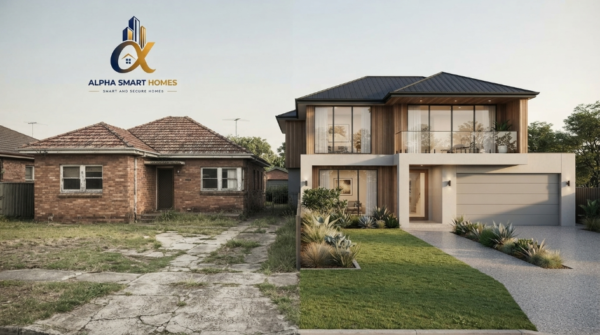
Knock Down Rebuild: Is It the Smartest Way to Get Your Dream Home?
Knock down rebuild can be an exciting solution when your current house no longer meets your family’s needs, but the location is still perfect. Instead of spending years renovating an outdated property, you can remove the existing house and build a completely new home on the same block.
For many homeowners, a knock down rebuild offers the opportunity to create a home that matches their lifestyle, design preferences, budget, and future plans. You keep the location you love while replacing an old or unsuitable house with a modern property designed specifically for you.
However, building a new home is a major investment. Before making a decision, you need to understand the process, costs, regulations, design requirements, and potential challenges.
This guide explains 10 essential things to check before you build and helps you decide whether a knock down rebuild is the smartest way to achieve your dream home.
Table of Contents
- What Is a Knock Down Rebuild?
- Why Consider a Knock Down Rebuild?
- 10 Things to Check Before You Build
- Knock Down Rebuild vs Renovation
- How Much Does It Cost?
- Common Mistakes to Avoid
- Is It the Right Choice for You?
- Final Thoughts
What Is a Knock Down Rebuild?
A knock down rebuild involves demolishing your existing property and constructing a brand-new home on the same land. Rather than modifying an old structure, you start again with a clean site and a fresh design.
This approach can be particularly attractive when your existing home has structural problems, an outdated layout, poor energy efficiency, or insufficient space.
For example, imagine you already live in a neighborhood that you love. Your children’s schools are nearby, your workplace is convenient, and you have strong connections with the local community. The only problem is that your house is too small or no longer suits your lifestyle.
Moving to another suburb may solve the housing problem, but it means giving up a location you already love.
A knock down rebuild allows you to keep the land while creating a home that works for you.
Why Consider a Knock Down Rebuild?
There are several reasons homeowners choose a knock down rebuild instead of renovating or moving.
1. Keep Your Ideal Location
Location is one of the most difficult things to replace. You may have spent years finding the right neighborhood, street, school zone, or community.
With a knock down rebuild, you can remain where you are while completely changing the property.
2. Design Around Your Lifestyle
An older house may have small bedrooms, limited storage, poor kitchen space, or an inconvenient floor plan.
A new build gives you the opportunity to design spaces around the way your family actually lives.
You can consider open-plan living, additional bedrooms, home offices, entertainment areas, better storage, outdoor spaces, and modern bathrooms from the beginning.

3. Improve Energy Efficiency
Older homes can be expensive to heat and cool. A new home can incorporate modern insulation, efficient windows, energy-saving lighting, and other features that may improve comfort and reduce ongoing energy consumption.
4. Reduce Renovation Limitations
Renovation often means working around an existing structure. Walls, plumbing, electrical systems, foundations, and room positions can limit what is possible.
A knock down rebuild removes many of these restrictions because the home is designed from the ground up.
For more information about sustainable building principles, homeowners can explore resources from .
The Knock Down Rebuild Process: What to Expect
Understanding the building journey before you begin can make your knock down rebuild much easier to manage. Although every project is different, most builds follow a series of important stages.
Step 1: Initial Planning
The first stage is deciding what you want from your new home. Think about the number of bedrooms, bathrooms, living areas, storage, outdoor spaces, parking, and other features that matter to your family.
At this stage, it is also important to establish your budget and understand your block’s limitations. Having a clear vision early can make later design decisions much easier.
Step 2: Site Assessment and Design
Once your goals are clear, your builder, designer, architect, or relevant professionals can assess the site and begin developing the design.
The design should consider the shape and orientation of your block, natural light, privacy, ventilation, access, and your family’s lifestyle.
A well-planned knock down rebuild does not simply focus on appearance. It balances beauty, functionality, comfort, and long-term practicality.
Step 3: Approvals and Preparation
Depending on your location and project, different permits and approvals may be required before demolition and construction can begin.
Your building team should help you understand which approvals apply to your property. It is better to identify these requirements early rather than discover them after your plans have already been completed.
Step 4: Demolition
Once the necessary approvals and preparations are complete, the existing property can be demolished.
The site then needs to be cleared and prepared for construction. This stage may reveal unexpected conditions, which is another reason why maintaining a realistic contingency budget is important.
Step 5: Construction
After site preparation, construction of your new home begins. Depending on the design, this may include foundations, framing, roofing, external finishes, plumbing, electrical work, insulation, internal walls, flooring, cabinetry, painting, and fixtures.
Regular communication with your builder is valuable during this stage. Ask for progress updates and raise questions early rather than waiting until the project is nearly finished.
Step 6: Final Inspection and Handover
The final stage involves completing finishing work, addressing outstanding items, and preparing the home for handover.
Before moving in, carefully inspect the property and discuss any items that need attention with your builder.
By understanding each stage of the knock down rebuild process, you can set realistic expectations and feel more prepared throughout the project.
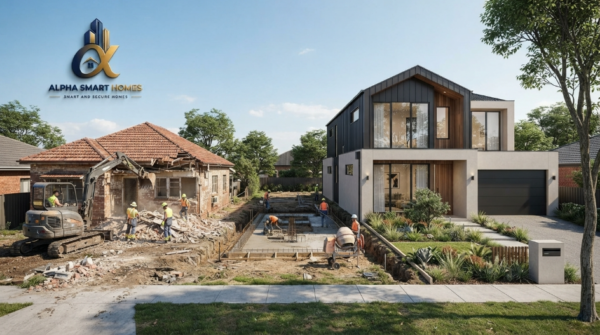
10 Things to Check Before a Knock Down Rebuild
Before starting your knock down rebuild, careful preparation is essential. The following ten checks can help you avoid expensive surprises and make better decisions.
1. Check Your Land and Property Regulations
Before designing your dream home, understand what you are actually allowed to build on the block.
Local planning rules can affect building height, setbacks, site coverage, parking, heritage requirements, vegetation, and other design considerations.
Do not assume that because an existing house is already on the property, you can automatically build anything you want after demolition.
Check your local council requirements and planning controls before committing to a design.
A professional builder or building consultant can also help identify potential restrictions early in the process.
Internal Link: Read more about Home Building Services.
2. Set a Realistic Budget
Budgeting is one of the most important parts of a successful knock down rebuild.
Your budget should include more than the basic construction price. Consider demolition, site preparation, design fees, permits, surveying, engineering, utility connections, landscaping, flooring, cabinetry, appliances, fixtures, and other finishing costs.
You should also maintain a contingency amount for unexpected expenses.
A common mistake is creating a beautiful design first and trying to find the money afterward. A better strategy is to establish your financial limit before finalizing the design.
Your builder can help you understand which features are essential and where you may need to make compromises.
3. Inspect the Site Before Demolition
Never underestimate the importance of understanding your block.
Soil conditions, slope, drainage, access, existing services, trees, and neighboring properties can influence construction costs and design.
A professional site investigation can reveal potential issues before construction begins.
For example, difficult soil conditions may require additional engineering or foundation work. Limited site access may also make demolition and material delivery more complicated.
Understanding these factors early can help you create a more accurate budget.
4. Choose the Right Builder
The builder you select can have a major impact on your entire knock down rebuild experience.
Do not choose a builder based only on the cheapest quote. Look at experience, communication, workmanship, previous projects, inclusions, timelines, and reputation.
Ask potential builders questions such as:
- How many similar projects have you completed?
- Can I see examples of your previous work?
- What is included in the building contract?
- How do you handle variations?
- Who will manage the project?
- What happens if construction is delayed?
- How frequently will I receive project updates?
A reliable builder should make the process easier to understand rather than more confusing.
Internal Link: Explore our Custom Home Building Services.
5. Plan Your Home Around Your Future
Your new home should not only suit your current lifestyle. Think about how your needs may change over the next five, ten, or fifteen years.
For example, you may eventually need:
- An additional bedroom
- A larger kitchen
- A home office
- More storage
- Accessible bathrooms
- A larger outdoor area
- Flexible living spaces
Good planning can make your knock down rebuild more practical in the long term.
Instead of designing only for today, think about the life you want to create inside the home.
6. Understand the Total Construction Timeline
A knock down rebuild involves several stages, and construction does not begin immediately after you decide to rebuild.
Depending on your project, the process may include:
Planning → Design → Site Assessment → Approvals → Demolition → Site Preparation → Construction → Interior Finishing → Landscaping → Handover
Each stage can take time.
Planning delays, approval requirements, material availability, weather, site conditions, and design changes can affect the final completion date.
Ask your builder for a realistic timeline and understand which factors could cause delays.
You should also avoid making major commitments based on an overly optimistic completion date.
7. Compare Renovation and Rebuilding Carefully
Before committing to a knock down rebuild, compare it with renovation.
Renovation may make sense when the existing structure is strong and the layout can be improved without extensive structural changes.
However, if the house requires major structural work, has outdated services, lacks adequate space, or needs extensive modifications, rebuilding may provide better long-term value.
Think beyond the initial construction cost.
Ask yourself:
“Which option gives me the home I actually want?”
Sometimes spending money repeatedly on an old property can become less attractive than investing in a new home.
8. Consider Energy Efficiency and Smart Features
Modern homeowners increasingly want homes that are comfortable, efficient, and connected.
During a knock down rebuild, you can plan energy-efficient features from the beginning instead of trying to add them later.
Consider:
- Efficient insulation
- High-performance windows
- Natural ventilation
- Efficient lighting
- Solar energy
- Water-saving fixtures
- Smart lighting
- Smart security
- Automated climate control
These features can improve comfort and potentially reduce operating costs.
If you are interested in sustainable home design, the Australian Government’s provides useful information about energy-efficient and sustainable housing.
9. Review the Contract and Inclusions
Before signing a building contract, carefully review what is included.
Two builders may provide quotes that look similar but contain very different inclusions.
Check whether the price covers:
- Flooring
- Lighting
- Appliances
- Kitchen cabinetry
- Bathroom fixtures
- Landscaping
- Driveways
- Painting
- Heating and cooling
- Site costs
Ask questions whenever something is unclear.
During a knock down rebuild, variations can increase the final price considerably if you make changes after construction begins.
Understanding your contract before signing can reduce unpleasant surprises later.
For general consumer information about building contracts and construction, you can also consult .
10. Think About Resale Value
Even if you plan to live in your new home for many years, considering future resale value is wise.
A well-designed knock down rebuild can potentially make a property more attractive to future buyers.
Focus on practical features such as:
- Functional floor plans
- Good natural light
- Quality construction
- Energy efficiency
- Useful storage
- Attractive kitchens
- Modern bathrooms
- Good outdoor living areas
Avoid designing every feature around short-term trends.
A timeless design can remain appealing for much longer.

Knock Down Rebuild vs Renovation: Which Is Better?
Choosing between renovation and a knock down rebuild depends on your property, budget, lifestyle, and goals.
| Factor | Knock Down Rebuild | Renovation |
|---|---|---|
| Design freedom | Very high | Depends on existing structure |
| Structural limitations | Fewer | More |
| Customization | Excellent | Moderate to high |
| Existing layout | Completely replaced | Usually retained partly |
| Modern features | Easy to integrate | May require additional work |
| Potential surprises | Site-related risks | Hidden structural issues |
| New-home feel | Yes | Depends on renovation |
| Location | Same | Same |
A knock down rebuild may be the better choice when you love your location but dislike your existing home.
Renovation may be more suitable when the existing structure has strong foundations and only needs targeted improvements.
The right answer depends on your individual circumstances.
How Much Does a Knock Down Rebuild Cost?
The cost of a knock down rebuild varies significantly from one project to another.
Factors that can influence the final price include:
- Location
- Site conditions
- Demolition requirements
- Home size
- Architectural complexity
- Materials
- Fixtures and finishes
- Labor costs
- Council requirements
- Engineering
- Landscaping
- Unexpected site issues
Instead of asking only, “How much does rebuilding cost?” consider asking:
“What is the complete project cost from demolition to move-in?”
This approach gives you a much more realistic understanding of your investment.
Your builder should provide a detailed quotation and explain allowances, exclusions, and potential additional costs.
How to Prepare for Your Knock Down Rebuild
Good preparation can make a major difference to the success of your knock down rebuild. Before construction begins, there are several practical steps homeowners should take.
Create a Detailed Wishlist
Start by writing down everything you would like in your new home. Separate your ideas into three categories: essential features, preferred features, and luxury features.
For example, an additional bedroom may be essential, while a large entertainment area may be preferred and a premium outdoor kitchen may be a luxury.
This approach helps you priorities your spending if the original design exceeds your budget.
Think About Your Daily Routine
Your home should be designed around the way you actually live.
Think about where you prepare meals, where children study, how guests will use the living areas, how much storage your family needs, and whether you work from home.
Small design decisions can have a significant impact on everyday comfort.
Plan Your Storage
Storage is often overlooked during the early design stage. However, insufficient storage can make even a beautiful home feel cluttered.
Consider built-in wardrobes, kitchen storage, linen cupboards, garage storage, laundry cabinets, and practical spaces for everyday items.
Prepare for Temporary Accommodation
If you currently live in the property being demolished, you will need somewhere to stay during the knock down rebuild.
Plan your temporary accommodation, storage, moving arrangements, and essential expenses before demolition begins.
Having a clear temporary living plan can reduce stress while your new home is being constructed.
Communicate Clearly With Your Builder
Communication should remain consistent throughout the project.
Keep records of important decisions, ask questions when something is unclear, and make sure you understand any proposed changes before approving them.
A successful knock down rebuild is not only about creating an attractive house. It is about creating a home that meets your needs while staying as close as possible to your planned budget and timeline.
Taking the time to prepare properly can help you make confident decisions from the first consultation through to the final handover.
Common Knock Down Rebuild Mistakes to Avoid
Even a well-planned knock down rebuild can become stressful if homeowners make avoidable mistakes.
Choosing the Cheapest Builder
The cheapest quote is not always the best value. A very low initial price may exclude important items or result in unexpected variations.
Changing the Design Too Often
Design changes after construction begins can increase costs and create delays.
Try to finalize major decisions before construction starts.
Ignoring Site Conditions
A beautiful design cannot compensate for an underestimated site problem.
Complete the necessary investigations before finalizing your budget.
Forgetting Future Needs
Your home should support your lifestyle for years, not just look attractive on move-in day.
Failing to Read the Contract
Never sign a contract without understanding the inclusions, exclusions, payment schedule, variations, and responsibilities of each party.
Is a Knock Down Rebuild Right for You?
A knock down rebuild may be ideal if:
- You love your current location.
- Your existing home no longer suits your lifestyle.
- You want a completely customized home.
- Your property requires extensive renovation.
- You want modern features and technology.
- You want to improve energy efficiency.
- You are prepared for the planning and construction process.
However, rebuilding is not automatically the best choice for everyone.
If your existing house is structurally sound and only requires limited improvements, renovation may provide a more suitable solution.
The key is to compare the long-term value of both options instead of focusing only on the initial price.
Build Your Dream Home With Confidence
A successful knock down rebuild starts long before demolition begins.
It starts with understanding your land, setting a realistic budget, choosing an experienced builder, planning your lifestyle, checking regulations, and making informed design decisions.
The biggest advantage is flexibility. You can keep the location you love while creating a home that is designed around your family’s needs.
But the process requires careful planning.
By checking these ten important factors before you build, you can reduce avoidable problems and make your journey toward a new home more confident and organized.
If you are considering a new home project, explore our New Home Building Services to learn more about how professional builders can help bring your vision to life.
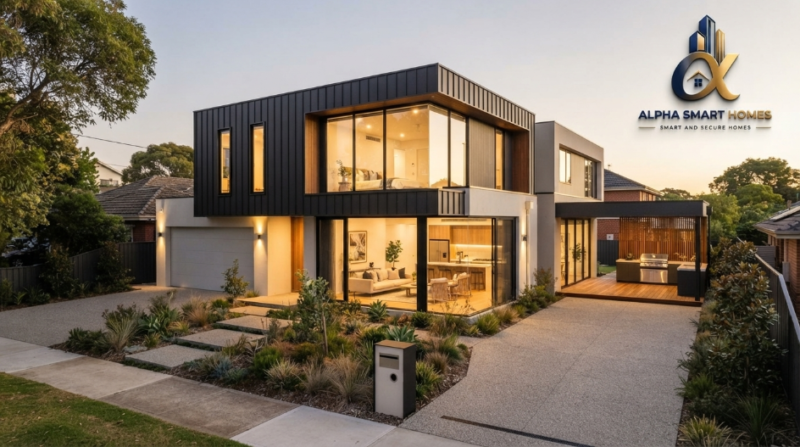
Final Thoughts
So, is a knock down rebuild the smartest way to get your dream home?
For many homeowners, it can be.
When your location is perfect but your house is not, rebuilding gives you the chance to start fresh without giving up the neighborhood you already love.
The smartest decision, however, is not simply choosing to rebuild. It is planning carefully before you rebuild.
Check your land. Understand your budget. Compare your options. Choose the right builder. Plan for the future. Review your contract. And make sure every major decision supports the home and lifestyle you want.
With the right preparation and professional guidance, your knock down rebuild can transform an outdated property into a modern, comfortable, and personalized home built for the future.
Ready to turn your existing property into your dream home? Start planning your knock down rebuild today.


Leave A Comment