
Multigenerational Living & Independent Senior Care: Building a Smarter Home for Every Generation
Australian families are changing the way they think about home.
Multigenerational Living: For many households, the traditional idea of parents and children living separately is no longer the only option. Rising housing costs, changing family structures, lifestyle preferences and the desire to remain close to loved ones are encouraging more families to consider multigenerational living.
A multigenerational home may include parents, children, grandparents or other family members living under the same roof while maintaining different levels of privacy and independence.
At the same time, many families want older relatives to remain independent for as long as possible rather than immediately moving into specialized accommodation.
This is where smart-home technology can make a meaningful difference.
A well-designed smart home can support safer movement, easier access, better communication, improved comfort, energy management and greater independence. Importantly, technology does not need to make a home feel clinical or institutional.
With thoughtful architectural and technology planning, a home can remain stylish, welcoming and comfortable while quietly providing features that support different generations.
For Alpha Smart Homes, the goal is to help Australian homeowners create properties that are adaptable to changing family needs—from young children growing up to older family members wanting to maintain independence. click here.
What Is Multigenerational Living?
Multigenerational living means multiple generations of a family sharing a home.
A typical household might include:
- Grandparents
- Parents
- Children
- Adult children
- Other close family members
However, living together does not necessarily mean sharing every part of the house.
Modern Multigenerational Living homes can be designed with a balance between shared spaces and private zones.
For example, a home could include:
- Separate bedrooms
- Multiple bathrooms
- A secondary living room
- A private guest or parent suite
- Separate entrances
- Flexible study spaces
- A shared kitchen
- Outdoor entertaining areas
- Accessible ground-floor accommodation
Technology can then connect these spaces without removing privacy.
This combination of architectural flexibility and smart-home automation can make multigenerational living more practical.
Why Smart Technology Matters for Multigenerational Living Homes
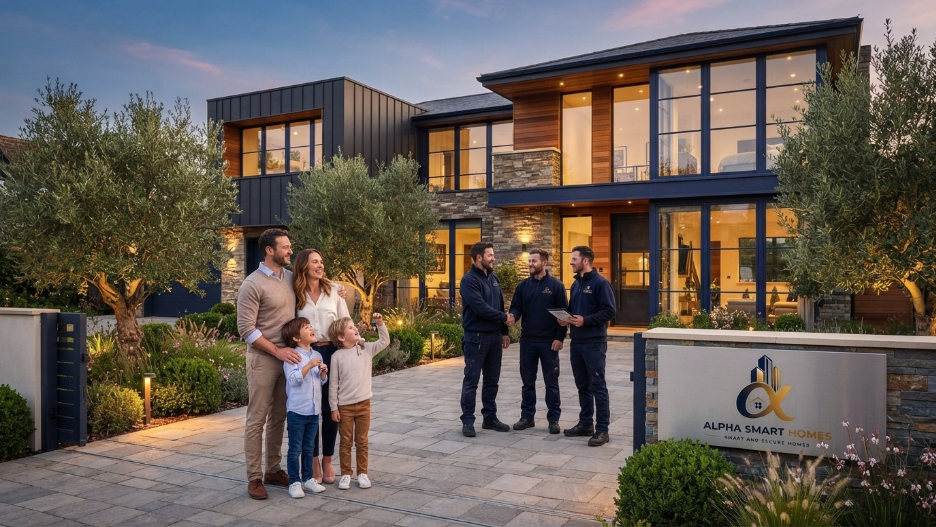
Different generations often have different needs.
Children may need safe and simple environments. Parents may want convenience and security. Older adults may benefit from easier access, better lighting and systems that reduce physical effort.
A smart home can help bridge these differences.
For example, one family member may prefer controlling lighting from a smartphone, while another may prefer a physical wall switch.
A well-designed system can potentially support both.
The objective is not to make every function automated.
Instead, it is to create a home where technology provides choice, convenience and adaptability.
This is particularly important for independent senior living.
Technology should support independence rather than make the homeowner feel dependent on complicated devices.
1. Designing Homes for Long-Term Flexibility
Multigenerational Living: One of the best ways to prepare a home for multigenerational living is to think about future needs during the design stage.
A home built today may need to serve a very different family ten or twenty years from now.
Architectural planning can therefore include flexible spaces that can change purpose.
A study could eventually become a bedroom.
A guest room could become a private living area.
A downstairs room could become accommodation for an older family member.
A garage or outdoor area could potentially be adapted depending on the property and applicable building requirements.
Smart infrastructure can support these changes.
Pre-wiring for networking, security, lighting, communication and automation gives homeowners more options later.
This is one reason future-ready planning can be more valuable than simply installing the latest gadgets.
2. Ground-Floor Living for Older Family Members
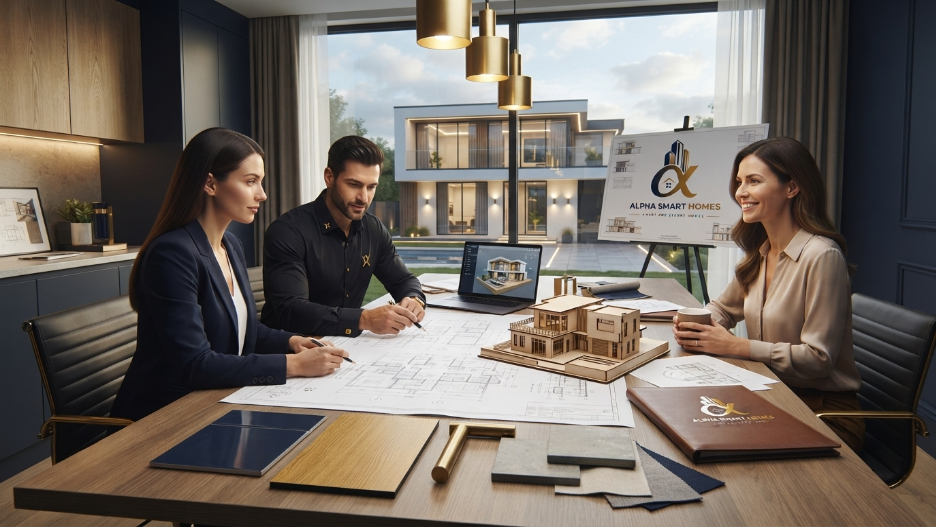
For Multigenerational Living, having an appropriate living area on the ground floor can be a valuable design consideration.
A ground-floor bedroom and bathroom can reduce the need for frequent stair use.
The area can potentially include:
- Bedroom
- Accessible bathroom
- Living space
- Easy outdoor access
- Good natural lighting
- Smart lighting
- Climate control
- Security features
The exact design will depend on the household and applicable Australian accessibility and building requirements.
Multigenerational Living: Technology can then be integrated into this space without making it look like a medical environment.
For example, automated lighting and smart climate control can provide convenience while maintaining a conventional interior aesthetic.
3. Smart Lighting for Safer Movement
Multigenerational Living: Lighting is particularly important in homes occupied by older adults.
Poor lighting can make movement through hallways, stairs and bathrooms more difficult.
Smart lighting can provide additional convenience by allowing lights to activate automatically when movement is detected.
Potential applications include:
- Hallways
- Bedrooms
- Bathrooms
- Stairways
- Entryways
- Garages
- Outdoor pathways
A low-level nighttime lighting routine can also help illuminate pathways without requiring someone to find a switch in the dark.
For example, movement detected during nighttime hours could activate soft pathway lighting.
The exact system should be designed carefully so that automation does not create unexpected lighting changes that could cause confusion.
4. Smart Access for Easier Entry
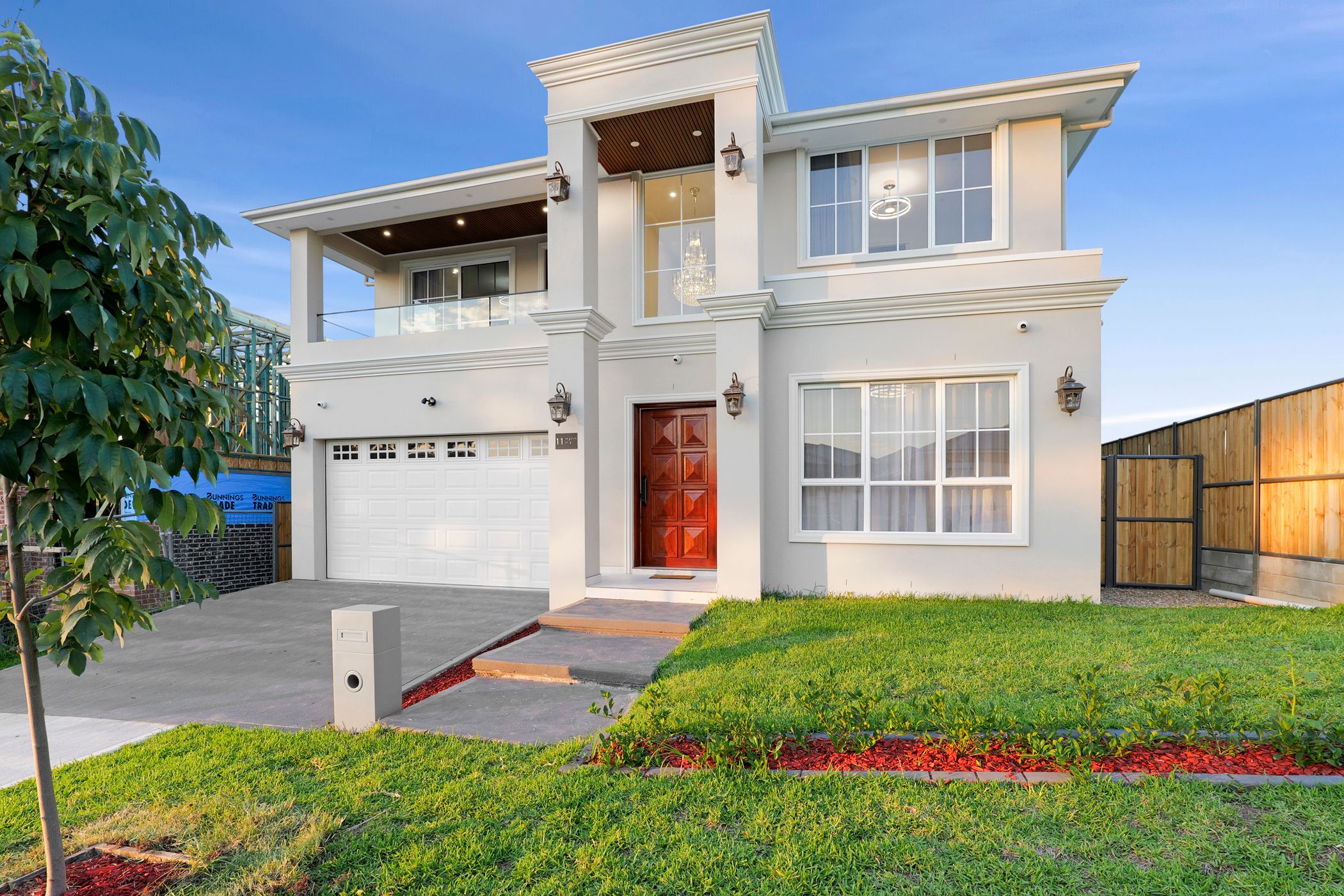
Multigenerational Living: Doors can become difficult to operate for some people as their mobility changes.
Smart access systems can provide alternatives to traditional keys.
Depending on the system, homeowners may use:
- PIN codes
- Mobile devices
- Key cards
- Fingerprint recognition
- Remote access
- Video intercoms
For Multigenerational Living families, smart access can also make it easier to manage who can enter the property.
For example, trusted family members may receive appropriate access credentials without needing physical keys.
Temporary access can also be useful for service providers or careers where the selected system supports such functionality.
Security and privacy should remain central to any access-control strategy.
5. Video Intercoms Connect Different Parts of the Home
Multigenerational Living: A video intercom can be useful in a multigenerational household.
Imagine an older family member in a private part of the home receiving a notification that someone has arrived at the front door.
Instead of walking across the house immediately, they may be able to communicate with the visitor through an intercom or connected device, depending on the system.
This can provide convenience and potentially reduce unnecessary movement.
Intercom systems can also support communication between different areas of a larger property.
When planned during construction, wiring and equipment locations can be integrated more discreetly into the architecture.
6. Smart Security for Greater Peace of Mind
For Multigenerational Living: Families often want to know that older relatives are safe without constantly monitoring them.
Smart security can provide information while helping preserve independence.
A system may include:
- Door and window sensors
- Security cameras
- Smart locks
- Video doorbells
- Alarm systems
- Motion sensors
- Remote notifications
- Intercoms
However, there is an important distinction between supportive technology and surveillance.
Older adults should have appropriate privacy within their own home.
Cameras should therefore be used thoughtfully, particularly around private areas such as bedrooms and bathrooms.
A well-designed security system should focus on protecting the property and supporting safety while respecting the dignity and independence of everyone living there.
7. Smart Climate Control for Individual Comfort
Multigenerational Living: Different generations can have very different temperature preferences.
One family member may prefer a cooler bedroom, while another may prefer a warmer environment.
Multizone climate control can help solve this problem.
Separate areas of the home can potentially have different temperature settings and schedules.
Smart climate systems may allow homeowners to:
- Adjust temperatures remotely
- Create schedules
- Manage individual zones
- Monitor conditions
- Automate heating and cooling
- Integrate temperature sensors
This can be especially useful in larger multigenerational homes.
Rather than conditioning the entire property in the same way, the system can respond to how different areas are being used.
8. Voice Control Can Reduce Physical Effort
Multigenerational Living: Voice assistants and voice-enabled smart-home systems can provide another control option.
Depending on the system, homeowners may be able to use voice commands to control:
- Lights
- Music
- Temperature
- Blinds
- Entertainment
- Certain smart appliances
- Other connected functions
For someone who finds it difficult to reach a wall switch or operate a phone, voice control may offer additional convenience.
However, voice control should not be the only method available.
Physical switches and conventional controls remain important.
A strong smart-home design provides multiple ways to interact with the home.
9. Motorized Blinds Make Everyday Tasks Easier
Multigenerational Living: Opening and closing blinds may seem like a small task, but large windows or difficult-to-reach blinds can become inconvenient.
Motorized blinds can be operated through:
- Wall controls
- Remote controls
- Apps
- Voice commands
- Automated schedules
- Environmental triggers
They can also be coordinated with lighting and climate strategies.
For example, blinds could be scheduled to open in the morning and close during periods of intense sunlight.
This can make daily routines simpler while helping homeowners manage privacy and natural light.
10. Smart Home Technology Can Support Independence

One of the most important benefits of smart-home technology for older adults is the ability to remain involved in everyday household activities.
Independence does not necessarily mean doing everything manually.
It can mean having the right tools to control the environment according to personal preferences.
A senior family member may be able to:
- Adjust lighting
- Control temperature
- Answer the door
- Operate blinds
- Communicate with family
- Monitor security notifications
- Control entertainment
- Manage selected home functions
This can help create a home environment that supports autonomy.
The technology should be designed around the individual—not the other way around.
11. Smart Water and Leak Detection
Water leaks can cause significant property damage if they are not identified quickly.
Smart water sensors can be installed in suitable locations such as:
- Bathrooms
- Kitchens
- Laundry areas
- Near hot-water equipment
- Utility areas
Depending on the system, homeowners may receive an alert when moisture is detected.
Some systems can also integrate with water shut-off equipment.
For a multigenerational household, this type of technology can provide an additional layer of property protection.
It can be particularly useful when family members are away from home.
12. Smart Energy Monitoring
Energy management is another area where technology can benefit multigenerational households.
Larger families naturally use more energy because more people may be using:
- Lighting
- Heating and cooling
- Hot water
- Appliances
- Entertainment
- Computers
- Kitchen equipment
Smart energy monitoring can help homeowners understand consumption patterns.
A system can potentially provide information about:
- Household electricity consumption
- Solar generation
- Battery performance
- Major energy loads
- EV charging
- Energy usage patterns
The Australian Government’s energy-rating framework includes requirements and information related to energy efficiency and regulated products.
For a multigenerational home, understanding energy use can help families make more informed decisions about how the property operates.
13. Smart Entertainment for Shared Family Time
Multigenerational living is not only about safety and independence.
It is also about spending time together.
Smart entertainment systems can make shared spaces more enjoyable.
A home could include:
- Whole-home audio
- Home theatre
- Smart TVs
- Outdoor entertainment
- Multi-room music
- Streaming integration
Audio can be integrated discreetly into ceilings or walls so that speakers do not dominate the room.
This allows family members of different ages to enjoy shared entertainment while maintaining the architectural design of the property.
14. Create Private and Shared Technology Zones
A successful multigenerational home needs a balance between connection and independence.
Not every system should be shared.
For example:
Shared Systems
- Main security
- Entry access
- Outdoor lighting
- Internet infrastructure
- Selected energy monitoring
Individual Systems
- Bedroom lighting
- Personal entertainment
- Temperature preferences
- Private access
- Personal schedules
This approach allows family members to live together without feeling that every part of their daily routine is controlled by the household.
Smart technology should support boundaries as well as connectivity.
15. Design Controls for Simplicity
A smart home can become complicated if too many features are introduced without considering the user.
For older residents in particular, controls should be simple and predictable.
Consider:
- Clearly labelled controls
- Consistent switch layouts
- Easy-to-understand scenes
- Physical backup controls
- Simple interfaces
- Voice options where appropriate
- Large, readable displays where relevant
A “Good Morning” or “Good Night” scene may be easier than asking a resident to control multiple devices individually.
However, residents should always have appropriate manual control where practical.
Automation should make life easier, not remove control.
16. Accessibility Should Begin With Architecture
Smart technology is most effective when combined with good architectural design.
Technology cannot compensate for a poorly planned floorplan.
Multigenerational homes may benefit from considering:
- Step-free access where appropriate
- Wider circulation spaces
- Suitable bathroom layouts
- Ground-floor accommodation
- Good lighting
- Easy-to-use doors
- Appropriate kitchen layouts
- Clear pathways
- Accessible outdoor connections
The exact requirements will vary according to the residents and project.
When architecture and technology are planned together, the result can be far more effective than either approach alone.
17. Future-Proof the Home Before Construction
If you are building a new home, this is the ideal time to prepare for future changes.
Even if your parents are currently healthy and independent, their needs may change over time.
Similarly, children eventually become adults.
A flexible home can adapt.
Consider pre-wiring for:
- Additional cameras
- Data points
- Wi-Fi access points
- Audio
- Motorized blinds
- Smart lighting
- Sensors
- Access control
- EV charging
- Energy systems
You do not necessarily need to install every system immediately.
The goal is to make future upgrades easier.
18. Technology Should Support Careers Without Replacing Human Care
Smart-home technology can support independent living, but it should not be treated as a replacement for professional care or family support.
Depending on the technology, systems may provide notifications, remote access or information that helps families stay connected.
However, technology should not be presented as a guarantee that an older person is safe.
For situations involving health, medical needs or emergency monitoring, homeowners should seek advice from appropriately qualified professionals.
The smart home can form part of a broader support strategy.
19. Privacy Is Essential in Senior-Friendly Smart Homes
More technology can mean more data.
Cameras, sensors, smart locks and connected devices can generate information about household activity.
For multigenerational homes, privacy should therefore be discussed during system design.
Families should consider:
- Where cameras are installed
- Who can access footage
- Which notifications are shared
- Who has smart-lock access
- How accounts are managed
- What information is stored
- How devices are secured
Older family members should be included in these conversations.
The purpose of smart technology should be to support independence—not create an environment where residents feel constantly watched.
20. Cybersecurity Matters Too
A connected home also needs sensible cybersecurity practices.
Smart-home systems may connect to the internet, smartphones and cloud services.
Homeowners should therefore consider:
- Strong passwords
- Multi-factor authentication where available
- Regular software updates
- Secure Wi-Fi
- Appropriate user permissions
- Removing access for former residents
- Updating credentials when necessary
When choosing smart-home equipment, homeowners should also consider the manufacturer’s support and update policies.
A professionally planned system should include cybersecurity considerations alongside physical security.
How Alpha Smart Homes Can Help
At Alpha Smart Homes, the objective is to create technology solutions that fit naturally into the way Australian families live.
For a multigenerational home, that means understanding that every household is different.
A family with young children, grandparents and working adults may need a completely different technology strategy from a couple preparing their home for future ageing.
The smart-home design can be built around:
Safety + Independence + Comfort + Privacy + Communication + Convenience
Infrastructure can be planned during the construction stage so that technology does not need to be retrofitted unnecessarily later.
Lighting, security, access, climate, networking, entertainment and energy systems can be considered as interconnected parts of the home.
The result is not a house filled with gadgets.
It is a home designed to adapt.
A Practical Smart Home Strategy for Multigenerational Families
If you are planning a new multigenerational home, consider using a staged approach.
Stage 1: Architectural Planning
Determine:
- Who will live in the home?
- Which areas should be private?
- Which spaces will be shared?
- Is ground-floor accommodation appropriate?
- How could rooms change purpose in the future?
Stage 2: Infrastructure
Plan:
- Network cabling
- Wi-Fi access points
- Security wiring
- Lighting infrastructure
- Audio provisions
- Smart access
- EV charging provisions
- Energy systems
Stage 3: Essential Technology
Priorities:
- Security
- Lighting
- Climate control
- Access
- Networking
Stage 4: Lifestyle Automation
Add:
- Motorized blinds
- Entertainment
- Energy monitoring
- Advanced scenes
- Outdoor automation
Stage 5: Future Adaptation
Review the system periodically as family needs change.
This approach prevents homeowners from spending heavily on technology they do not currently need while preserving the infrastructure required for future upgrades.
Multigenerational Smart Home Checklist
Before building, discuss the following with your builder and smart-home specialist:
- Ground-floor bedroom and bathroom options
- Easy access throughout the home
- Smart lighting
- Nighttime pathway lighting
- Smart access control
- Video doorbell or intercom
- Security cameras
- Door and window sensors
- Smart climate control
- Motorized blinds
- Reliable Wi-Fi
- Structured data cabling
- Smart energy monitoring
- Solar and battery integration
- EV charging provisions
- Water-leak detection
- Simple control interfaces
- Manual control options
- Privacy planning
- Cybersecurity
- Future-ready pre-wiring
Final Thoughts: Designing a Home That Grows With Your Family
A home should not only serve the family you have today.
Ideally, it should be capable of adapting as your family changes.
Multigenerational living creates an opportunity to design a home where grandparents can maintain independence, parents can manage busy lives and children can grow up in a connected family environment.
Smart-home technology can support that vision by making everyday tasks easier, improving communication, providing greater control and helping homeowners prepare for future changes.
But technology should never be the entire solution.
The best results come from combining thoughtful architecture, accessibility, reliable infrastructure and carefully selected automation.
For Australian families planning a new home, Alpha Smart Homes can help integrate technology into the property from the beginning—creating a flexible environment where convenience and independence can coexist.
The goal is simple:
Build a home that works for your family today—and continues to work for your family tomorrow.