
New Home Builders: Why Experience Matters When Building Your Dream Home
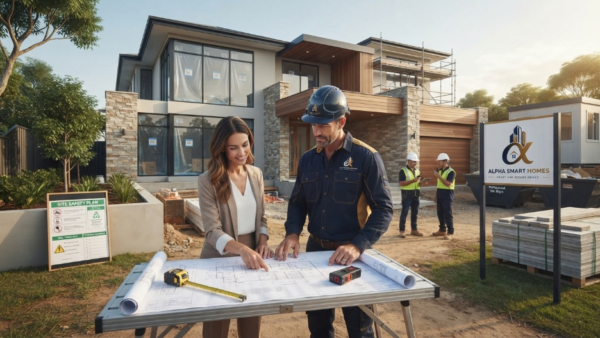
Choosing the right new home builders is one of the most important decisions you will make when planning a new home. A house is a major investment, and the quality of the planning, construction and communication can influence how enjoyable the entire building journey becomes.
Building a new home gives you the opportunity to create spaces that match your lifestyle, preferences and future needs. However, turning architectural plans into a safe, functional and beautiful home requires experience, coordination and attention to detail.
Experienced new home builders can help you navigate the process from the early planning stage through to construction and handover. They understand that successful home building involves much more than putting walls and a roof together. Site conditions, materials, approvals, trades, timelines, budgets, building standards and client decisions all need to work together.
Whether you are building your first home, upgrading for your growing family or creating a long-term property, choosing an experienced team can make a significant difference.
This guide explores 10 powerful benefits of working with experienced new home builders, along with practical things you should check before choosing your building partner.
Table of Contents
- Better Understanding of the Building Process
- More Accurate Planning and Budgeting
- Professional Design and Practical Advice
- Better Management of Site Conditions
- Access to Skilled Trades and Suppliers
- Stronger Quality Control
- Better Communication Throughout the Project
- More Effective Time Management
- Help With Modern Features and Energy Efficiency
- Greater Confidence and Long-Term Value
- 10 Things to Check Before Choosing New Home Builders
- Questions to Ask Before Signing
- Final Thoughts
1. Better Understanding of the Building Process
One of the biggest benefits of working with experienced new home builders is their understanding of the complete construction process.
For a homeowner, building a house can feel overwhelming because there are many stages and decisions involved. You may need to consider site assessments, surveys, design, engineering, approvals, contracts, materials, construction, inspections, fixtures, finishes and handover.
An experienced builder understands how these stages connect.
They can explain what needs to happen first, which decisions need to be made early and which choices can wait until later. This can help prevent unnecessary delays and confusion.
Experienced new home builders can also help you understand how one decision may affect another. For example, changing a floor plan can affect structural requirements, plumbing, electrical work and construction costs.
Having a knowledgeable team guiding the process allows you to make decisions with a clearer understanding of the potential consequences.
This is particularly valuable if you are building your first home and are unfamiliar with construction terminology and procedures.
2. More Accurate Planning and Budgeting
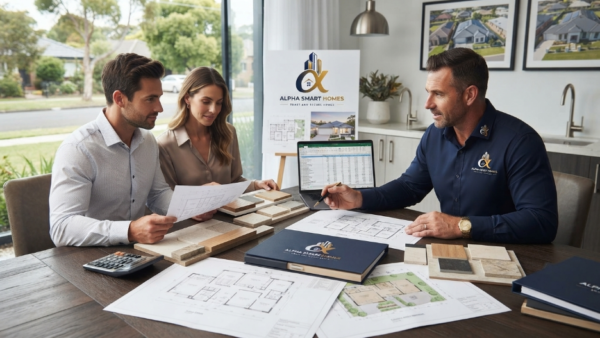
Budget management is one of the most important aspects of building a new home.
A professional building team can help you develop a more realistic understanding of the costs involved. Instead of considering only the basic construction price, experienced new home builders can help identify other project components that may need to be included.
Depending on your property and project, these may include:
- Site preparation
- Demolition, if required
- Soil testing
- Surveying
- Engineering
- Approvals
- Foundations
- Structural work
- Plumbing and electrical systems
- Windows and doors
- Kitchen and bathroom selections
- Flooring
- Painting
- Heating and cooling
- Landscaping
- Driveways
- Fencing
- External works
- Smart-home technology
Understanding these costs early makes it easier to establish priorities.
Experienced new home builders can also help you distinguish between essential features and optional upgrades. This can be particularly useful when you have a fixed budget.
A transparent discussion about costs can reduce the possibility of unpleasant surprises later.
You should always ask what is included in a quotation and what is excluded. Comparing builders based only on their headline price can create problems if different companies include different levels of work.
A detailed quote gives you a better basis for comparing your options.
3. Professional Design and Practical Advice
Your dream home should look beautiful, but it also needs to work well every day.
Experienced new home builders can provide practical input that complements architectural or design ideas. They can identify potential construction challenges and suggest alternatives that may improve functionality or manage costs.
For example, a particular room arrangement may look attractive on a floor plan but create inefficient circulation. A large window may provide beautiful natural light but require careful consideration of orientation, shading and energy performance.
A builder with strong experience can ask practical questions that homeowners may not initially consider.
How will furniture fit?
Where will storage go?
Is there enough space around the kitchen?
Where should power points be positioned?
How will the laundry function?
Will the outdoor area connect naturally with the living spaces?
Could the design accommodate future family changes?
These details may seem small during planning, but they can have a major impact on everyday comfort.
The best new home builders understand that successful design is a combination of appearance, functionality, construction practicality and long-term usability.
4. Better Management of Site Conditions
Every building site is different.
A block may look straightforward from the street but contain soil, drainage, slope, access or other conditions that affect construction.
Experienced new home builders know the importance of understanding the site before construction begins. They can coordinate appropriate investigations and work with relevant professionals to identify potential challenges.
Soil conditions can influence foundation requirements. A sloping block may require additional excavation or retaining solutions. Difficult access can affect material deliveries and construction logistics.
Drainage and stormwater management also need to be considered carefully.
The earlier these issues are identified, the easier it can be to incorporate them into planning and budgeting.
Experienced new home builders are also familiar with managing construction logistics around different site conditions. Their previous projects can give them useful insight into potential challenges and appropriate solutions.
This does not mean every project will be problem-free. Instead, experience gives the building team a stronger foundation for identifying and managing issues when they arise.
5. Access to Skilled Trades and Suppliers
A new home requires many different trades and suppliers.
Depending on the project, you may need carpenters, electricians, plumbers, plasterers, tilers, painters, roofers, cabinetmakers, flooring specialists, landscapers and other professionals.
Experienced new home builders generally have established relationships with trades and suppliers they have worked with previously.
This can make project coordination more efficient.
A builder who knows the quality and reliability of their trades can allocate work more effectively and maintain clearer expectations about workmanship.
Established supplier relationships can also help with material selection and ordering. Your builder may be able to recommend products that offer an appropriate balance between quality, appearance, durability and budget.
However, you should still ask how a builder selects and manages subcontractors. Experience alone does not guarantee quality, so it is useful to investigate the company’s previous work and reputation.
The goal is to choose a team that has a reliable network and takes responsibility for coordinating the different parts of your project.
6. Stronger Quality Control
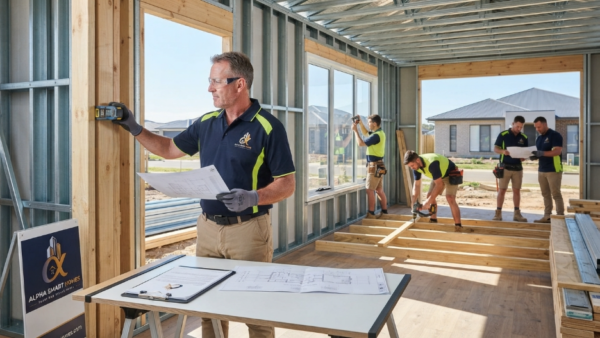
Quality control is another important reason to work with experienced new home builders.
A new home contains many components that need to work together correctly. Structural elements, waterproofing, electrical systems, plumbing, insulation, windows, doors, cabinetry and finishes all require attention to detail.
Experienced builders understand the importance of checking work at different stages rather than waiting until the end.
They can coordinate inspections, identify issues and ensure that different trades complete their work in the correct sequence.
Good quality control also involves more than appearance. A beautifully finished wall does not compensate for poor installation or inadequate planning behind it.
Ask potential new home builders how they manage quality control and inspections throughout construction.
You can also ask to see examples of completed projects. If possible, look closely at workmanship, finishing details, alignment, cabinetry, bathrooms, external areas and overall construction quality.
A builder’s previous projects can provide valuable evidence of what you can realistically expect.
7. Better Communication Throughout the Project
Communication can have a major effect on your building experience.
When you work with experienced new home builders, you should expect clear communication about progress, decisions, costs, variations and important project milestones.
Building a home involves many decisions. If communication is unclear, even a small misunderstanding can lead to frustration.
Before choosing a builder, ask:
- Who will be my main point of contact?
- How often will I receive progress updates?
- How are decisions recorded?
- How are variations communicated?
- How quickly are questions normally answered?
- Who coordinates the trades?
- How will construction progress be monitored?
A professional communication process gives you greater visibility over your project.
Good new home builders should also be willing to explain construction matters in language that homeowners can understand.
You should never feel uncomfortable asking questions about your own home.
Clear communication is not only about providing information. It is also about listening to the homeowner’s priorities and making sure those priorities remain understood throughout the project.
8. More Effective Time Management
Construction involves many moving parts, and delays can occur for a variety of reasons.
Materials need to arrive at the right time. Trades need to complete work in the correct sequence. Inspections need to occur at appropriate stages. Decisions need to be made before certain construction activities begin.
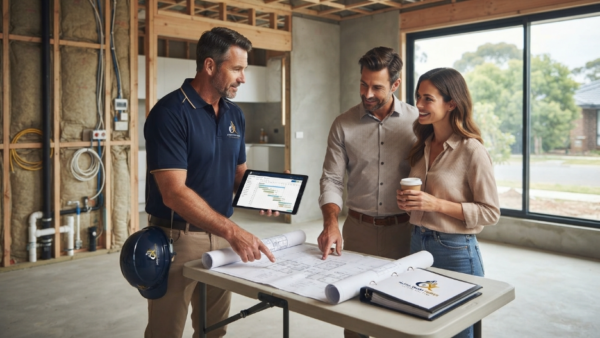
Experienced new home builders understand how to coordinate these elements.
Their previous projects can help them develop realistic schedules and identify stages where delays are more likely.
This does not mean an experienced builder can guarantee that nothing will ever affect the schedule. Weather, material availability, approval processes, site conditions and client changes can all influence construction.
However, effective project management can reduce avoidable delays.
Ask potential new home builders for an overview of their expected construction timeline. Find out which stages depend on your decisions and which materials need to be selected early.
If you are planning temporary accommodation during construction, a realistic timeline is particularly important.
Avoid choosing a builder solely because they promise the fastest completion. A realistic schedule with clear milestones is more valuable than an unrealistic promise.
9. Help With Modern Features and Energy Efficiency
Modern homeowners increasingly want homes that are comfortable, efficient, secure and connected.
Experienced new home builders can help you consider these features during the planning stage rather than trying to add them after construction is complete.
Energy-efficient design may involve appropriate orientation, insulation, glazing, shading, ventilation and efficient heating and cooling systems.
Depending on your goals, you may also want to consider:
- Smart lighting
- Smart security
- Automated blinds
- Energy monitoring
- Connected appliances
- Modern heating and cooling controls
- Efficient hot-water systems
- Outdoor security lighting
- Home networking infrastructure
Planning these systems early can make installation more straightforward.
Experienced new home builders can coordinate with relevant specialists to make sure modern features are considered alongside the structure and services of the house.
The aim should not be to add technology simply because it is fashionable. Instead, choose features that genuinely improve comfort, security, convenience or energy management.
A smart home should still be a practical home.
10. Greater Confidence and Long-Term Value
Building a new home is a significant commitment. Working with experienced new home builders can provide greater confidence because you know there is a professional team managing the construction process.
Experience can help builders anticipate common issues, coordinate trades, manage materials and communicate effectively.
It can also contribute to a home that is designed with long-term usability in mind.
Consider features that can support your lifestyle for many years:
- Flexible living spaces
- Practical storage
- Durable materials
- Efficient systems
- Easy-to-maintain finishes
- Good natural light
- Functional outdoor areas
- Security features
- Adaptable rooms
A new home should not simply look impressive when you first move in. It should continue to work for your family as your needs change.
Choosing experienced new home builders can help you think beyond the immediate construction stage and consider the long-term performance and practicality of the property.
10 Things to Check Before Choosing New Home Builders
Before signing an agreement, take the time to investigate your potential builder.
1. Check Their Experience
Ask how long they have been building homes and what types of projects they regularly complete.
Experience with projects similar to yours can be particularly valuable.
2. Review Previous Projects
Ask to see completed homes or project examples.
Look for consistency in workmanship, design quality and finishing details.
3. Check the Scope of Their Service
Some new home builders provide extensive design and planning support, while others focus mainly on construction.
Understand exactly what services are included.
4. Understand the Quote
Ask for a detailed quotation.
Make sure you understand inclusions, exclusions, allowances and potential additional costs.
Never compare quotes based only on the final number.
5. Ask About Site Costs
Find out how site preparation, excavation, soil conditions, drainage and other potential site-related costs are handled.
Ask whether these costs are fixed, estimated or subject to change.
6. Understand the Timeline
Request a realistic construction schedule.
Ask what factors could affect the completion date and which decisions you need to make during the process.
7. Ask About Communication
Find out who your project contact will be and how progress updates are provided.
Good communication should be part of the service, not an afterthought.
8. Understand Variations
Design or construction changes can affect the budget and schedule.
Ask how variations are priced, documented and approved.
9. Review the Contract Carefully
Before signing, make sure you understand payment schedules, inclusions, exclusions, responsibilities, timelines and other important terms.
For significant building agreements, independent professional advice can also be worthwhile.
10. Consider Reputation and Trust
Price is important, but trust matters too.
Look at customer experiences, completed projects, communication and professionalism.
Your builder will be involved in your project for an extended period, so choose a team you feel comfortable working with.
Questions to Ask New Home Builders Before Signing
A face-to-face consultation can help you determine whether a builder is right for your project.
Consider asking:
What type of homes do you specialise in?
This can help you understand whether their experience matches your goals.
What is included in your standard quotation?
Ask for detailed inclusions rather than relying on general descriptions.
How do you manage unexpected site conditions?
The answer can reveal how prepared the builder is for real-world construction challenges.
Who will manage my project?
Understand whether you will have a dedicated project manager or another primary contact.
How do you handle variations?
A clear variation process can help prevent misunderstandings about costs.
Can I see your completed projects?
Seeing previous work can provide useful evidence of quality.
How do you manage quality control?
Ask what inspections and checks occur throughout construction.
How are progress updates provided?
Clear reporting can make the building journey much easier for homeowners.
What decisions need to be made before construction begins?
Knowing this early can help you prepare your selections and avoid delays.
Why Local Experience Can Matter
When choosing new home builders, local experience can be valuable because building conditions and requirements can vary between areas.
A builder familiar with your local environment may understand common site conditions, supplier networks, trade availability and the practical aspects of building in the region.
However, local presence should still be considered alongside experience, workmanship, communication and transparency.
You want a builder that understands both the local environment and the broader demands of modern residential construction.
If you are looking for a team focused on creating smart and secure homes, you can learn more about Alpha Smart Homes through Alpha Smart Homes.
You can also follow Alpha Smart Homes on Facebook for updates, ideas and residential building inspiration.
New Home Builders: How to Get the Most From Your Building Team
Choosing experienced new home builders is only the first step. Homeowners also play an important role in creating a successful project.
Start by defining your priorities.
Make a list of the features that are essential, desirable and optional. This gives your builder a clearer understanding of what matters most to you.
Be realistic about your budget.
If you have a fixed budget, communicate it early rather than designing a home that is significantly beyond what you can comfortably afford.
Make decisions on time.
Delays in selections can affect the construction schedule, especially when materials have long lead times.
Keep communication organised.
Save important documents, quotations, selections, approvals and variation information in one place.
Most importantly, ask questions.
If you do not understand something, ask your builder to explain it. A good professional team should want you to understand what is happening with your home.
Pre-Build Checklist
Before you choose your new home builders, use this checklist:
-
Define your budget.
-
Identify your must-have features.
-
Understand your block and site conditions.
-
Check applicable planning and building requirements.
-
Research potential builders.
-
Review previous projects.
-
Compare detailed quotations.
-
Check inclusions and exclusions.
-
Ask about site costs.
-
Understand the expected timeline.
-
Ask who will manage your project.
-
Understand the variation process.
-
Review the building contract.
-
Plan your material selections.
-
Consider energy-efficient features.
-
Plan smart-home and security requirements.
-
Think about future lifestyle needs.
-
Establish how progress updates will work.
-
Allow a suitable financial contingency.
-
Choose a builder you trust.

Final Thoughts
Choosing the right new home builders can make a significant difference to your home-building experience.
Experienced professionals bring knowledge of construction, site management, design coordination, budgeting, trades, materials, quality control and project scheduling. More importantly, they can help turn your ideas into a home that is practical, comfortable and built around your lifestyle.
Before making a decision, look beyond the headline price. Investigate the builder’s experience, previous projects, communication process, quotation, inclusions, timeline, contract and approach to quality.
Ask detailed questions and make sure you understand what you are committing to.
Your new home should be more than an attractive building. It should provide comfort, functionality, security and long-term value.
The right new home builders can help you achieve that by combining professional experience with careful planning and attention to your individual goals.
If you are ready to explore your options, start by defining what you want your home to achieve. Then compare experienced building teams based on the complete value they provide rather than simply choosing the lowest price.
With the right preparation and the right builder, the journey from your first idea to your finished home can be far more organised, transparent and rewarding.


Leave A Comment