
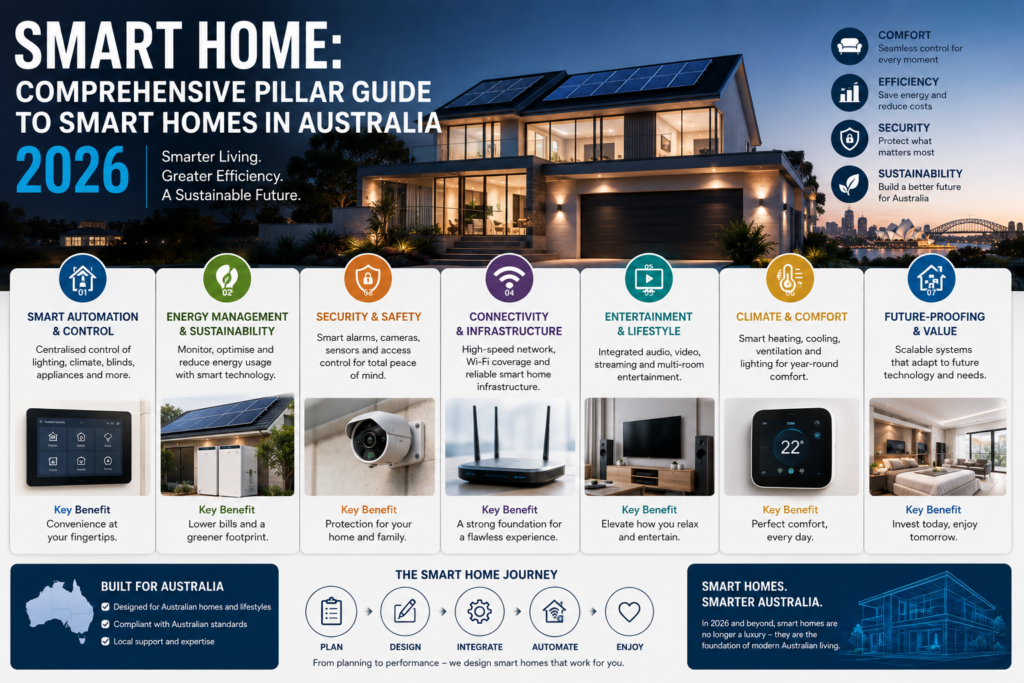
Smart Home: Comprehensive Pillar Guide to Smart Homes in Australia 2026
Building a smart home is no longer simply about installing a few connected lights, smart speakers or security cameras. For Australian homeowners, a genuinely smart home is a carefully planned ecosystem that combines connectivity, security, lighting, climate control, entertainment, energy management, access control and future-ready infrastructure.
The difference between a house filled with smart devices and a professionally designed smart home is often the planning behind the technology.
A successful smart home should be reliable, easy to use, visually integrated with the property and capable of adapting as your household changes. This is particularly important when building or renovating in Sydney, where decisions about electrical systems, cabling, security, networking and automation need to be coordinated with the construction process.
This comprehensive pillar guide explains the major components of smart home technology and how Australian homeowners can approach the process strategically.
At Alpha Smart Homes, the focus is on creating integrated smart home solutions designed around the property, lifestyle and long-term requirements of each homeowner.
What Is a Smart Home?
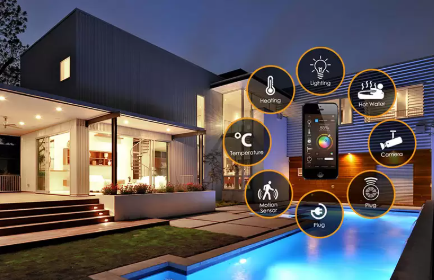
A smart home uses connected technology to monitor, control or automate different functions of a property.
These functions can include:
- Lighting
- Security
- Home networking
- Climate control
- Audio and entertainment
- Access control
- Motorized blinds
- Energy management
- Solar and battery systems
- EV charging
- Sensors
- Automated routines
The key word is integration.
A smart home should not feel like a collection of unrelated products. Instead, different systems can be designed to work together through appropriate controls and automation.
For example, a “Goodnight” scene might turn off selected lights, adjust climate settings and activate appropriate security functions.
A “Welcome Home” scene might activate selected lighting and prepare other systems based on household preferences.
The technology becomes valuable because it responds to how people actually use their homes.
Pillar 1: Smart Home Planning and Design
The first pillar of a successful smart home is planning.
Before selecting products, homeowners should establish what they want the technology to accomplish.
Ask:
- What problems should automation solve?
- Which rooms need smart technology?
- How important is security?
- Do you need reliable home-office connectivity?
- Will you install solar or battery storage?
- Do you need EV charging?
- Are you planning whole-home audio?
- Will the home need accessibility features?
- What technologies might you add later?
This prevents unnecessary spending on technology that provides little practical value.
Lifestyle-First Design
Every household is different.
A family may prioritize security and automated lighting.
A professional may prioritize networking and home-office connectivity.
A homeowner with ageing parents may prioritize accessibility and simplified controls.
A technology enthusiast may want advanced automation throughout the property.
The system should be designed around those requirements.
Pillar 2: Smart Home Pre-Wiring
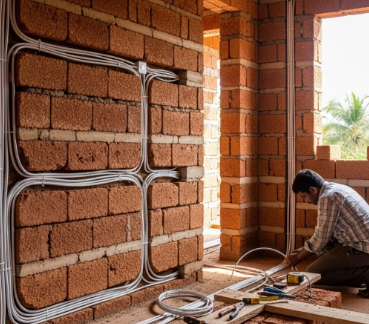
Pre-wiring is one of the most important considerations for new homes.
It involves installing cables, conduits and connection points during construction, before walls and ceilings are closed.
This provides an opportunity to create infrastructure for current and future technology.
Potential pre-wiring applications include:
- Security cameras
- Network connections
- Ceiling speakers
- Home theatre
- Wi-Fi access points
- Motorized blinds
- Control systems
- Future technology
- EV charging provisions
Why Pre-Wiring Matters
Retrofitting cables after construction can be more difficult and may result in visible wiring.
By planning infrastructure during construction, homeowners can create a cleaner finished environment.
Pre-wiring also provides flexibility.
You may not need every camera, speaker or smart device immediately. However, having the appropriate infrastructure in place can make future installation easier.
For new-build homeowners, this is one of the most important stages of smart home planning.
Pillar 3: Smart Home Networking
A reliable network is the foundation of a modern connected home.
Today’s homes can contain dozens of connected devices, including:
- Phones
- Computers
- TVs
- Cameras
- Smart appliances
- Speakers
- Lighting systems
- Sensors
- Gaming devices
- Access-control systems
A weak or poorly designed network can affect the performance of many of these systems.
Wired and Wireless Connectivity
Both wired and wireless connections can play important roles.
Ethernet connections can provide reliable connectivity for devices such as:
- Wi-Fi access points
- Security cameras
- Smart TVs
- Desktop computers
- Network equipment
Wireless connectivity provides flexibility for mobile devices and suitable smart products.
The ideal solution depends on the size, construction and technology requirements of the property.
Planning Wi-Fi Access Points
Large homes often benefit from multiple strategically positioned access points rather than relying on one router.
The objective is consistent coverage across:
- Bedrooms
- Living areas
- Home offices
- Garages
- Outdoor areas
- Entertainment spaces
Professional network planning can help prevent dead zones and connectivity problems.
Pillar 4: Smart Lighting
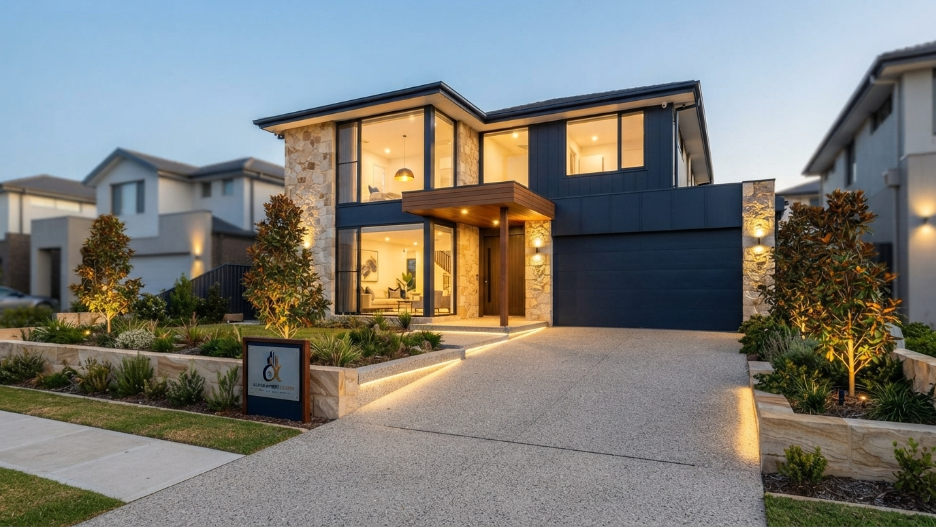
single storey home designs
Lighting is one of the most visible and useful forms of home automation.
Smart lighting can provide control over:
- Brightness
- Scheduling
- Scenes
-
Occupancy-based behaviour
- Individual rooms
- Multiple zones
- Exterior lighting
Lighting Scenes
Instead of controlling individual lights one at a time, homeowners can create scenes.
Morning Scene
Selected lights activate according to the morning routine.
Entertaining Scene
Living, dining and outdoor lighting work together to create the desired atmosphere.
Movie Scene
Selected lights dim while the entertainment environment is prepared.
Goodnight Scene
Unnecessary lights turn off and selected night lighting remains active.
Smart lighting should make life simpler rather than creating another complicated system to manage.
Pillar 5: Smart Security
Security is a major reason homeowners consider smart technology.
A professionally planned security environment may combine:
- Security cameras
- Video doorbells
- Smart locks
- Motion sensors
- Alarm systems
- Security lighting
- Gate controls
- Garage access
- Mobile notifications
The goal is to provide homeowners with greater awareness and convenient control.
Security Camera Pre-Wiring
For new construction, camera infrastructure can be installed before walls are closed.
Potential locations include:
- Front entrance
- Driveway
- Garage
- Side access
- Rear entry
- Outdoor areas
Camera placement should be based on the home’s design and security objectives.
The aim is not necessarily to install the maximum number of cameras. It is to provide appropriate coverage where it matters.
Pillar 6: Smart Access Control
Access control can make a home easier to manage while supporting security.
Modern solutions may include:
- Smart locks
- Video intercoms
- Garage automation
- Gate controls
- Keypad entry
- Mobile access
- Guest access management
For families, controlled access can make everyday routines more convenient.
For example, authorized users can potentially access the home without requiring traditional keys.
Access systems should always be selected and installed with security, privacy and appropriate Australian requirements in mind.
Pillar 7: Climate and Comfort Automation
Temperature control is another important smart home application.
Depending on the home’s heating, cooling and ventilation systems, automation can help manage climate settings according to:
- Time of day
- Occupancy
- Household routines
- Individual zones
- User preferences
For example, bedrooms can follow different schedules from living areas.
A home office can be managed around working hours.
Selected areas can operate differently when the property is unoccupied.
The goal is to create a comfortable home without requiring homeowners to constantly adjust controls manually.
Pillar 8: Home Entertainment and Audio
Technology can also transform entertainment spaces.
A professionally integrated entertainment system can include:
- Home theatre
- TVs
- Projectors
- Ceiling speakers
- Wall speakers
- Distributed audio
- Streaming devices
- Lighting integration
Whole-Home Audio
With the right infrastructure, homeowners can enjoy audio in multiple areas of the property.
Music could potentially be played in:
- Kitchen
- Living room
- Dining area
- Outdoor entertaining space
- Home office
- Bedroom
Each zone can potentially operate independently or as part of a larger audio environment.
Home Theatre Integration
A home theatre can also be connected with lighting and other automation.
For example, selecting a movie scene could coordinate:
- Lighting
- Audio
- Display equipment
- Motorized blinds
- Other appropriate systems
This creates a more seamless entertainment experience.
Pillar 9: Smart Blinds and Window Automation
Motorized blinds can combine convenience, privacy and automation.
They can be scheduled or controlled according to household routines.
For example:
- Open in the morning
- Close during strong sunlight
- Adjust during movie sessions
- Close at night
- Respond to selected automation scenes
Window treatments can also become part of the wider smart home experience rather than operating as completely separate systems.
When planning a new build, provisions for motorized blinds can be considered early so power and control requirements are addressed before walls and ceilings are finished.
Pillar 10: Energy Management
Energy management is becoming increasingly important for Australian homeowners.
A smart energy strategy can help homeowners understand how electricity is generated and consumed.
Depending on the installed systems, monitoring may include:
- Household consumption
- Solar generation
- Battery storage
- Major electrical loads
- EV charging
- Energy trends
Smart Energy Monitoring
The purpose of energy monitoring is not simply to provide numbers.
The information can help homeowners identify patterns and make more informed decisions about energy use.
For example, homeowners may discover when the property consumes the most energy or how much energy is generated by solar.
This can support more informed energy management.
Pillar 11: Solar and Battery Integration
Solar energy and battery storage are increasingly relevant to modern Australian homes.
When combined with appropriate monitoring and automation, these systems can become part of a broader smart home strategy.
Homeowners may want visibility over:
- Solar generation
- Battery charge levels
- Household demand
- Energy consumption
- EV charging
Integration should be planned carefully, with electrical work completed by appropriately qualified professionals and in accordance with relevant Australian requirements.
Pillar 12: EV Charging Provisions
Electric vehicles are becoming an increasingly important consideration in new home design.
Even homeowners who do not currently own an EV may want to prepare for future charging requirements.
During construction, homeowners can consider:
- Garage charger location
- Electrical capacity
- Cable pathways
- Network connectivity where required
- Solar and energy integration
- Future expansion
Early planning can make future installation more straightforward.
EV charging should be considered alongside the property’s broader electrical and energy strategy.
Pillar 13: Smart Home Accessibility
Technology can help make homes easier to use for people with different needs.
Potential solutions include:
- Voice control
- Automated lighting
- Smart locks
- Video intercoms
- Motorized blinds
- Centralized controls
- Scheduled automation
- Environmental monitoring
This can be particularly valuable for multigenerational households.
The most important principle is simplicity.
Technology should reduce barriers rather than introduce unnecessary complexity.
Pillar 14: Smart Home Cybersecurity and Privacy
Connected technology creates another important responsibility: protecting the network and devices.
Smart cameras, locks, sensors and other connected products may handle sensitive information.
Homeowners should therefore consider:
- Strong passwords
- Secure network configuration
- Software updates
- Appropriate user permissions
- Device security
- Secure remote access
- Reliable network equipment
Cybersecurity should be treated as part of smart home planning rather than an afterthought.
Choosing reputable products and maintaining the system appropriately can also support long-term reliability.
Pillar 15: Centralized Control
One of the biggest advantages of an integrated smart home is the ability to simplify control.
Depending on the system, homeowners may use:
- Wall-mounted control panels
- Mobile devices
- Voice control
- Traditional switches
- Remote controls
- Automated scenes
The best interface is the one that feels natural to the household.
Smart technology should not force everyone to use a smartphone for every task.
Traditional controls can remain useful.
The goal is flexibility.
Pillar 16: Smart Home Automation Scenes
Automation scenes allow several actions to occur together.
Consider a “Leaving Home” scene.
It might:
- Turn off selected lights
- Adjust climate settings
- Secure selected access points
- Activate security functions
- Switch off suitable entertainment equipment
A “Welcome Home” scene could reverse appropriate functions.
Scenes can also be created for:
- Morning
- Evening
- Entertaining
- Movie night
- Bedtime
- Holiday mode
The automation should be based on genuine household routines.
Pillar 17: Future-Proof Infrastructure
No one can accurately predict every smart home technology that will become popular over the next decade.
Instead of trying to predict individual products, homeowners should focus on adaptable infrastructure.
Future-ready planning may include:
- Spare conduits
- Additional network points
- Accessible equipment locations
- Appropriate electrical provisions
- Security pre-wiring
- Audio infrastructure
- EV charging provisions
This approach provides flexibility without requiring homeowners to purchase every technology immediately.
Pillar 18: Smart Home Design and Interior Aesthetics
Technology should complement the home’s architecture.
A professionally designed smart home can integrate technology discreetly through:
- Concealed cabling
- In-ceiling speakers
- Recessed equipment
- Minimalist controls
- Centralized equipment
- Discreet security devices
This is particularly important for architectural homes where visual simplicity is a major part of the design.
The ideal result is a home where technology is available when needed but does not dominate the visual environment.
Pillar 19: New Build vs Renovation
Smart home planning differs depending on the property.
New Builds
New construction offers the greatest opportunity for infrastructure planning.
Homeowners can consider cabling, equipment locations, security, audio, network access points and future technologies before construction is completed.
Renovations
Renovations can provide opportunities to introduce infrastructure while walls and ceilings are already accessible.
Existing Homes
Existing properties can still benefit from smart technology. Wireless solutions and targeted upgrades may provide practical alternatives where extensive cabling is not appropriate.
The right approach depends on the building and the homeowner’s objectives.
Pillar 20: Professional Smart Home Integration
The final pillar is professional integration.
A smart home involves multiple systems, technologies and construction decisions.
Without coordination, homeowners may end up with:
- Separate applications
- Poor network coverage
- Incompatible products
- Visible wiring
- Difficult controls
- Limited upgrade options
Professional integration brings these elements together into a coherent strategy.
At Alpha Smart Homes, the focus is on designing technology around the homeowner and the property rather than simply installing individual products.
The Alpha Smart Homes Approach
A successful smart home project should follow a clear process.
1. Consultation
Understand the homeowner’s lifestyle and goals.
2. Property Assessment
Review the building, architectural plans and existing infrastructure.
3. Technology Planning
Identify appropriate smart home systems.
4. Infrastructure Design
Plan cabling, network connections and future provisions.
5. Product Selection
Choose technology based on compatibility, reliability and requirements.
6. Installation
Coordinate the installation with the construction or renovation process.
7. Programming
Configure automation, scenes and controls.
8. Testing
Check system performance and integration.
9. Handover
Explain the system to the homeowner.
10. Future Support
Allow the smart home to evolve as requirements change.
This structured approach helps transform smart home technology from a collection of devices into a complete solution.
How Much Does a Smart Home Cost in Australia?
There is no universal smart home price.
Costs depend on factors such as:
- Property size
- Number of rooms
- Level of automation
- Security requirements
- Network infrastructure
- Audio-visual systems
- Lighting systems
- Climate control
- Energy integration
- EV charging
- Equipment selection
- Installation complexity
A useful approach is to establish priorities first.
For example, homeowners may decide that reliable networking, security and lighting are essential, while whole-home audio or advanced automation can be added later.
This allows the technology investment to align with the overall construction budget.
Common Smart Home Mistakes to Avoid
Installing Technology Too Late
Important infrastructure becomes harder to install once walls are closed.
Choosing Products Without a System Plan
Individual devices may not integrate effectively.
Ignoring the Network
Poor connectivity can affect the entire smart home.
Over-Automating the Property
Automation should solve problems, not create unnecessary complexity.
Forgetting Future Requirements
EV charging, additional security and other technologies may become relevant later.
Focusing Only on Visible Devices
Infrastructure behind the walls can be just as important as the devices homeowners see.
Frequently Asked Questions
What should be included in a smart home?
A smart home can include networking, lighting, security, climate control, access control, entertainment, energy management, automated blinds and future-ready infrastructure. The right combination depends on the property and homeowner.
Is smart home technology worth it in Australia?
For many homeowners, smart technology can provide practical benefits in convenience, security, connectivity, comfort and energy awareness. The value depends on selecting systems that genuinely meet household needs.
Should I pre-wire my new home for smart technology?
Pre-wiring can provide greater flexibility and make future installations easier. It is particularly useful for networks, security cameras, audio, home theatre and other technologies that benefit from dedicated cabling.
Can Alpha Smart Homes help with new home construction?
A smart home project can be planned alongside the construction process so infrastructure and technology requirements are considered before finishing stages.
Can smart home technology be added to an existing property?
Yes. Existing homes can use a combination of wired and wireless solutions depending on the property’s structure and renovation requirements.
What is the most important part of a smart home?
There is no single component. A reliable foundation typically includes good planning, network infrastructure, appropriate electrical provisions, suitable technology and professional integration.
Build Your Smart Home Around What Matters
A truly smart home is not defined by how many connected devices it contains.
It is defined by how effectively the technology supports everyday life.
The strongest smart home projects bring together several pillars: planning, infrastructure, networking, lighting, security, climate control, entertainment, energy management, access control, accessibility and future-ready design.
For Australian homeowners, particularly those building or renovating in Sydney, considering these elements early can make a major difference to the final result.
At Alpha Smart Homes, the objective is to create technology solutions that are practical, reliable and designed around the individual property.
Whether your priority is better security, stronger connectivity, automated lighting, energy management, whole-home entertainment or preparing your property for future technology, a structured approach can help you make better decisions.
The smart home of the future should not feel complicated.
It should feel natural.
It should work quietly in the background, respond when needed and give homeowners greater control over the spaces they live in.
Plan the infrastructure. Choose the right technology. Integrate the systems. Build for the future.
That is the foundation of a genuinely smart Australian home.


Leave A Comment