
House Builders: The Complete Guide to Building Your Dream Home
Building a new home is one of the biggest decisions you can make. Whether you are planning a modern family residence, a custom smart home, a luxury property, or a practical home designed around your lifestyle, choosing the right house builders can make the entire process easier, more organized, and more successful.
A new home gives you the opportunity to create spaces that match the way you live. Instead of adapting to an existing floor plan, you can decide how many bedrooms you need, how your kitchen connects to your living areas, where natural light enters the home, how much storage you require, and which technology and energy-efficient features should be included.
Professional house builders play an important role in turning those ideas into a completed property. They coordinate construction, materials, trades, schedules, quality control, and many of the technical details involved in residential building.
However, not all house builders provide the same level of service or construction experience. The right builder should understand your goals, communicate clearly, manage the project carefully, and deliver workmanship that meets the agreed specifications.
This guide explains everything you need to know before choosing house builders, from planning and design to construction, budgeting, smart-home technology, energy efficiency, materials, and final handover.

House builders are professionals or construction companies responsible for constructing residential properties. Depending on the company and project, their services can range from managing the entire construction process to coordinating specific stages of a new home build.
A house builder may work with architects, engineers, interior designers, electricians, plumbers, carpenters, painters, landscapers, technology specialists, and other tradespeople.
For a custom project, house builders may become involved from the early planning stage. They can help homeowners understand construction requirements, evaluate design ideas, establish realistic expectations, coordinate contractors, and manage the project through completion.
The role of house builders is particularly important because a home is made up of many interconnected systems.
The foundation supports the structure. Walls and roofs protect the interior. Windows influence light, ventilation, comfort, and energy performance. Electrical and plumbing systems support everyday life. Heating, cooling, insulation, lighting, security, and technology all need to work together.
A professional construction team understands how these components interact.
Why Choose Professional House Builders?
Building a home without experienced professional support can quickly become complicated.
There are numerous decisions to make, from site preparation and structural materials to flooring, doors, windows, electrical systems, plumbing, lighting, cabinetry, and landscaping.
Professional house builders can coordinate these components and help ensure that the project follows an organized process.
Better Project Management
A home construction project involves many different activities that need to happen in the correct sequence.
For example, plumbing and electrical work often needs to be coordinated before walls are closed. Flooring may need to wait until certain construction work is complete. Cabinets need accurate measurements before fabrication.
Experienced house builders understand these dependencies and schedule the work accordingly.
Greater Construction Knowledge
A professional builder can identify practical issues that may not be obvious during the design stage.
They can also coordinate with specialists when a project requires structural engineering, complex electrical systems, advanced technology, or unusual architectural features.
Improved Quality Control
Quality control should happen throughout the project rather than only at the end.
Regular inspections and careful supervision can help identify issues early.
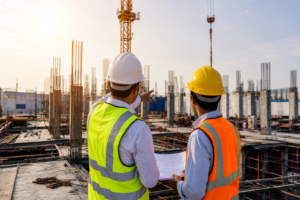
What Do House Builders Do?
The responsibilities of house builders can vary depending on the company and contract, but residential construction commonly involves several major areas.
Site Preparation
Before construction begins, the site may need clearing, excavation, grading, drainage work, utility preparation, and foundation preparation.
Structural Construction
This includes the foundation, walls, framing, roof, and other structural components.
Electrical and Plumbing
Electrical wiring, lighting infrastructure, outlets, switches, plumbing lines, water systems, and other services need to be installed according to the project’s design and applicable requirements.
Exterior Construction
The exterior can include roofing, windows, doors, cladding, exterior finishes, balconies, terraces, and other architectural elements.
Interior Construction
Interior work can include walls, ceilings, flooring, doors, cabinetry, kitchens, bathrooms, lighting, painting, and fixtures.
Project Coordination
House builders may also coordinate subcontractors, material deliveries, inspections, schedules, and communication between the different professionals involved in the project.
Benefits of Working With House Builders

There are many advantages to hiring experienced house builders for your new home.
1. Customized Planning
A custom home can be designed around your lifestyle.
2. Professional Coordination
The builder can coordinate different trades and construction stages.
3. Better Time Management
An organized construction schedule can help keep the project moving efficiently.
4. Quality Workmanship
Professional builders can establish quality standards and monitor work throughout construction.
5. Material Guidance
Homeowners can receive guidance about suitable materials based on appearance, durability, maintenance, and budget.
6. Technology Integration
Modern homes can incorporate smart lighting, security, climate control, entertainment, and networking systems.
7. Energy Efficiency
New construction provides an opportunity to integrate energy-efficient features from the beginning.
8. Long-Term Value
A well-designed and well-built home can provide lasting comfort and value.
Planning Your Home With House Builders
Good planning is one of the most important factors in a successful home-building project.
Before meeting with house builders, consider what you want your finished home to accomplish.
Define Your Lifestyle
Ask yourself:
- How many people will live in the home?
- How many bedrooms are needed?
- Do you regularly host guests?
- Do you work from home?
- Do you need a dedicated office?
- How important is outdoor living?
- Do you enjoy cooking?
- How much storage do you need?
- Do you want a home theater?
- Do you want smart-home automation?
- Which areas of the home are most important to you?
Your answers will help shape the floor plan.
Consider Future Needs
A home should not only meet today’s needs.
Families can grow. Children can become teenagers. Older family members may eventually need accessible spaces. Work patterns can change.
Flexible rooms and adaptable layouts can help the property remain useful for many years.
Think About Natural Light
Natural light can have a major influence on the atmosphere of a home.
Window placement, skylights, glass doors, courtyards, and room orientation can all contribute to a thoughtful lighting strategy.
Plan Storage Early
Storage should be part of the initial design.
Consider:
- Walk-in closets
- Kitchen storage
- Pantry space
- Built-in cabinets
- Laundry storage
- Garage storage
- Utility areas
- Home office storage
Good storage helps keep living areas organized.
House Builders and Custom Home Design
One of the biggest advantages of working with professional house builders is the ability to create a home around your specific requirements.
A custom home does not have to follow a standard layout.
Custom Floor Plans
Your floor plan can be designed according to your lifestyle.
You may want an open kitchen and living area, separated bedrooms, a large master suite, dedicated guest accommodation, or a private home office.
Indoor-Outdoor Connections
Modern residential design often treats outdoor areas as extensions of indoor living spaces.
Patios, balconies, terraces, gardens, outdoor kitchens, and entertainment areas can increase the usable living environment.
Kitchen Design
The kitchen is often one of the most important rooms in a home.
A good kitchen design should consider:
- Work zones
- Storage
- Appliances
- Lighting
- Counter space
- Ventilation
- Dining connections
- Family interaction
Bathroom Design
Bathrooms can combine practicality with comfort.
Features may include:
- Walk-in showers
- Freestanding tubs
- Double vanities
- Custom storage
- Premium fixtures
- Heated floors
- Architectural lighting
Home Offices
With flexible working arrangements becoming more common, a dedicated home office can provide a comfortable and productive environment.
House Builders and Smart Home Technology
Technology has become an important part of modern home design.
Professional house builders can help coordinate smart-home infrastructure during construction, which can be more efficient than installing complex systems after the property is finished.
Smart-home features may include:
- Automated lighting
- Smart switches
- Security cameras
- Smart locks
- Video doorbells
- Climate controls
- Motorized curtains
- Home theaters
- Whole-home audio
- Automated gates
- Energy monitoring
- Smart appliances
- Network infrastructure
Smart Lighting
Smart lighting allows homeowners to control brightness, schedules, scenes, and individual rooms.
Different lighting scenes can be designed for relaxing, entertaining, working, or sleeping.
Smart Security
Modern security systems can integrate cameras, sensors, alarms, access control, smart locks, and exterior lighting.
Smart Climate Control
Connected climate systems can help homeowners manage temperature in different areas of the home.
Smart Home Infrastructure
Technology should ideally be considered during the design stage.
Wiring, networking, equipment locations, power requirements, and control systems can be planned alongside the architecture.
The Connectivity Standards Alliance’s Matter standard is intended to improve interoperability among compatible smart-home devices and ecosystems.
Homeowners interested in connected-home technology can explore the official Matter resources for more information.
House Builders and Energy-Efficient Homes
Energy efficiency should be considered during the early stages of new home construction.
Experienced house builders can work with architects, engineers, and homeowners to incorporate appropriate energy-efficient strategies into the design.
The U.S. Department of Energy’s DOE Efficient New Homes program focuses on high-performance homes with requirements addressing energy savings, comfort, health, and durability.
You can explore the DOE Efficient New Homes program for additional information about high-performance residential construction.
Insulation
Proper insulation can help control indoor temperatures and improve building performance.
Windows
Window selection can affect natural light, ventilation, comfort, noise, and energy use.
Efficient HVAC
Heating and cooling systems should be selected based on the home’s design and local climate.
Energy-Efficient Lighting
LED lighting and intelligent controls can help reduce unnecessary electricity use.
Solar Technology
Depending on the location and property, solar panels can potentially contribute to household energy production.
Whole-Home Performance
Energy efficiency should not be viewed as one isolated feature.
The building envelope, windows, insulation, ventilation, mechanical systems, lighting, and appliances all interact.
DOE’s Building America resources emphasize whole-house approaches that consider the relationship between building components and overall performance.
Materials Used by House Builders
Materials have a major influence on the appearance, performance, durability, and maintenance requirements of a home.
Professional house builders can help homeowners select materials that balance aesthetics and practicality.
Concrete
Concrete is widely used for foundations, structural elements, floors, driveways, and other applications.
Steel
Steel can provide structural strength and may be used in various residential applications depending on the design.
Brick
Brick can provide a durable exterior finish with a traditional or contemporary appearance.
Wood
Wood is commonly used for flooring, cabinetry, doors, framing, ceilings, furniture, and decorative elements.
Natural Stone
Stone can be used in kitchens, bathrooms, floors, fireplaces, exterior features, and landscaping.
Glass
Large glass surfaces can provide natural light and visual connections between interior and exterior spaces.
Premium Fixtures
Faucets, door hardware, lighting fixtures, bathroom fittings, and other details can contribute to the overall character of a home.
The best material choice depends on the application, environment, maintenance requirements, budget, and design.
The House Building Process
The construction process can vary depending on location and project type, but most new homes follow a logical sequence.
1. Initial Consultation
The homeowner discusses their goals, budget, property, lifestyle, and design preferences with the builder.
2. Site Assessment
The site is evaluated for access, dimensions, drainage, utilities, orientation, soil conditions, and other relevant factors.
3. Design
Architectural and technical plans are developed.
4. Budget Planning
The expected project costs are established.
5. Approvals and Documentation
Required permits, approvals, engineering documents, and construction information are completed as applicable.
6. Site Preparation
The site is prepared for construction.
7. Foundation
The foundation is constructed according to the approved design.
8. Structural Construction
Walls, framing, floors, and roofing are constructed.
9. Services
Electrical, plumbing, HVAC, communications, and other systems are installed.
10. Interior Finishing
Flooring, cabinetry, painting, fixtures, lighting, bathrooms, kitchens, and other finishes are completed.
11. Exterior Finishing
Landscaping, driveways, patios, exterior lighting, fencing, and other outdoor features may be completed.
12. Final Inspection
The finished home is inspected and outstanding issues are addressed.
13. Handover
The completed property is handed over to the homeowner.
Professional house builders coordinate these stages to keep the project organized.
How to Choose the Right House Builders
Choosing the right house builders requires careful research.
Review Their Portfolio
Look at completed projects.
Consider whether their previous work matches the quality and style you want.
Check Experience
Ask about their experience with projects similar to yours.
Ask About Their Team
Find out who will manage the project and which subcontractors or trade professionals may be involved.
Understand Their Process
A professional builder should be able to explain the construction process clearly.
Evaluate Communication
Ask how progress updates are provided and who you should contact with questions.
Review the Contract
Make sure you understand:
- Scope of work
- Payment schedule
- Materials
- Allowances
- Exclusions
- Change orders
- Project timeline
- Warranty
- Responsibilities
Compare More Than Price
When comparing house builders, do not simply select the cheapest proposal.
Two builders may provide different specifications, materials, services, and levels of project management.
Compare the complete value.
Questions to Ask House Builders
Before hiring house builders, ask important questions.
Experience Questions
- How long have you been building homes?
- How many custom homes have you completed?
- Can I see examples of previous projects?
- Can you provide references?
Construction Questions
- Who manages the project?
- How is quality controlled?
- Which trades will work on the property?
- How are inspections handled?
- How are construction changes managed?
Financial Questions
- What is included in the quote?
- What is excluded?
- Are materials included?
- How are unexpected costs handled?
- How are change orders priced?
Timeline Questions
- What is the expected construction timeline?
- What could cause delays?
- How will delays be communicated?
Technology Questions
- Can smart-home systems be integrated?
- Can network infrastructure be installed?
- Can security systems be incorporated?
- Can lighting and climate controls be automated?
The answers can help you determine whether the builder is organized, experienced, and transparent.
House Building Costs and Budget Planning
The cost of building a home varies widely.
Factors can include:
- Property location
- Land conditions
- Home size
- Architectural complexity
- Structural requirements
- Laborv
- Materials
- Interior finishes
- Technology
- Landscaping
- Utilities
- Professional fees
- Permits
- Site preparation
A realistic budget should consider the entire project.
| Category | Examples |
|---|---|
| Land | Property purchase and preparation |
| Design | Architecture and engineering |
| Site | Excavation, grading, drainage |
| Structure | Foundation, framing, roof |
| Exterior | Windows, doors, exterior finishes |
| Interior | Flooring, walls, ceilings |
| Kitchen | Cabinets, appliances, countertops |
| Bathrooms | Fixtures, tile, cabinetry |
| Electrical | Wiring, lighting, controls |
| Plumbing | Water and drainage systems |
| Technology | Security, networking, automation |
| Outdoor | Landscaping, patios, driveways |
| Contingency | Unexpected costs and changes |
Build a Contingency Into Your Budget
Unexpected conditions can occur during construction.
A contingency allowance can provide flexibility for unforeseen site conditions, material changes, or approved design modifications.
Common Mistakes When Hiring House Builders
Hiring house builders is a major decision, and homeowners should avoid common mistakes.
Choosing the Cheapest Builder
A low price does not automatically represent good value.
Look at the complete scope and specifications.
Not Checking Previous Work
A portfolio provides insight into a builder’s quality and capabilities.
Poor Communication
If communication is unclear before construction, problems can become more difficult during the project.
Making Late Design Changes
Late changes can affect cost and scheduling.
Ignoring Maintenance
Consider how much maintenance different materials and systems will require.
Forgetting Storage
Storage should be planned from the beginning.
Adding Technology Too Late
Smart-home infrastructure is easier to integrate during construction.
Focusing Only on Appearance
A home should be attractive, but it must also be comfortable, durable, safe, and practical.
Why Quality Craftsmanship Matters
Quality craftsmanship is one of the most important characteristics of reliable house builders.
A home may look impressive in photographs, but construction quality determines how it performs over time.
Structural Work
The foundation, framing, roof, waterproofing, and other structural elements must be carefully constructed.
Interior Work
Cabinetry, flooring, doors, trim, paint, lighting, fixtures, and other finishes require precision.
Exterior Work
Exterior materials must be installed appropriately to protect the building and maintain its appearance.
Attention to Detail
Small details can make a major difference.
Doors should fit correctly. Cabinets should align. Flooring should transition cleanly. Fixtures should be installed carefully. Surfaces should be finished consistently.
Experienced house builders understand that quality is built throughout the project rather than added at the end.
Modern Trends for House Builders
The modern housing market is changing as homeowners place greater importance on technology, comfort, sustainability, and flexible living.
Smart Homes
Smart-home automation is becoming increasingly common in new construction.
Energy Efficiency
Homeowners are increasingly interested in energy-efficient buildings that provide comfort while managing energy use.
Flexible Floor Plans
Rooms that can serve multiple purposes can help homes adapt to changing needs.
Home Offices
Dedicated workspaces remain valuable for many homeowners.
Outdoor Living
Outdoor kitchens, covered terraces, landscaped gardens, patios, and entertainment areas can extend living space.
Wellness Spaces
Home gyms, spa-inspired bathrooms, relaxation areas, and natural-light-focused rooms are becoming popular features.
Sustainable Materials
Durable and responsibly sourced materials can contribute to long-term building performance.
Better Building Performance
Modern house builders have increasing access to building-science resources and high-performance construction methods.
The DOE provides technical resources and case studies covering building envelopes, insulation, HVAC, moisture management, and other factors that affect residential performance.
Why Build a Custom Home?
One of the biggest advantages of working with house builders on a custom project is control.
Instead of buying an existing house and adapting it to your lifestyle, you can create a property around your requirements.
You can decide:
- How many bedrooms you need
- How large the kitchen should be
- Where the home office is located
- How much storage is included
- How rooms connect
- Where windows are placed
- How outdoor spaces are used
- Which technologies are installed
- Which materials define the interiors
- How the home should perform
Custom construction gives you the opportunity to think about the entire living experience.
Design for Today and Tomorrow
A good custom home should be useful today and adaptable in the future.
Consider flexible rooms, accessible layouts, additional storage, technology infrastructure, efficient systems, and durable materials.
Create a Unique Home
Your home does not have to look like every other property in the neighborhood.
Custom architecture can reflect your personality and preferences.
House Builders and Long-Term Home Value
The decisions made during construction can influence the home’s long-term value.
Quality materials, sound construction, functional layouts, energy-efficient systems, and timeless design can contribute to a property’s long-term appeal.
This does not mean every expensive upgrade will increase resale value.
Instead, homeowners should prioritize improvements that provide genuine usefulness and durability.
Experienced house builders can help identify where investment is most valuable within the project’s scope.
House Builders and Sustainable Construction
Sustainable construction is becoming increasingly relevant to homeowners.
The goal is not simply to add one environmentally friendly feature.
A better approach is to consider the home as a complete system.
This may include:
- Efficient insulation
- Proper air sealing
- Efficient windows
- Water-saving fixtures
- Energy-efficient appliances
- Efficient HVAC
- LED lighting
- Solar energy
- Durable materials
- Smart energy management
The DOE’s Efficient New Homes program highlights energy savings, comfort, health, and durability as important aspects of high-performance residential construction.
For homeowners researching energy-efficient construction, the DOE’s residential resources provide additional information.
House Builders and Personalized Living
A custom home should reflect the people who live there.
Some homeowners prioritize entertainment.
Others value privacy.
Some want a large kitchen and family room.
Others need home offices, guest rooms, workshops, gyms, or dedicated hobby spaces.
Professional house builders can work from the homeowner’s requirements and coordinate the construction process around the approved design.
The result is a home that can feel more personal than a standardized property.
Frequently Asked Questions About House Builders
What are house builders?
House builders are professionals or construction companies that construct residential properties. Their services may include project management, site preparation, structural construction, subcontractor coordination, interior finishing, and final handover.
How do I choose the best house builders?
Look at experience, previous projects, communication, workmanship, project management, references, contract terms, and overall value.
How much does it cost to build a house?
The cost depends on location, size, design, materials, labor, site conditions, technology, finishes, and many other factors. A builder should provide a project-specific estimate.
How long does it take to build a house?
Construction time varies according to project size, complexity, location, approvals, materials, weather, labor availability, and other conditions.
Can house builders build smart homes?
Many house builders can coordinate smart-home technology as part of a new construction project. The exact capabilities depend on the builder and project requirements.
Is building a custom home better than buying an existing home?
A custom home provides more control over design, layout, materials, technology, and functionality. However, the right choice depends on your budget, timeline, location, and priorities.
Should energy efficiency be considered before construction?
Yes. Planning energy efficiency early allows building orientation, insulation, windows, HVAC, lighting, and other systems to be considered as part of the overall design.
What should I include in a new home?
Start with your lifestyle and priorities. Bedrooms, bathrooms, kitchen, storage, living spaces, office areas, outdoor areas, technology, security, and energy performance are all worth considering.
Should I compare multiple house builders?
Yes. Comparing several qualified house builders can help you understand different approaches, specifications, costs, timelines, and levels of service.
Final Thoughts
Choosing the right house builders can make a significant difference when creating a new home.
A successful home-building project requires more than putting walls and a roof together. It requires careful planning, thoughtful design, quality materials, skilled workmanship, organized project management, and clear communication.
The right house builders can help transform your ideas into a practical and comfortable home designed around your lifestyle.
Whether you want a modern family house, a luxury residence, a smart home, an energy-efficient property, or a completely customized design, start by identifying what matters most to you.
Think about how you live today.
Then think about how you may live five, ten, or twenty years from now.
Consider your floor plan, storage, technology, energy performance, materials, outdoor spaces, maintenance requirements, and budget.
Most importantly, choose a construction partner based on experience, quality, transparency, communication, and demonstrated workmanship rather than price alone.
Your home is a long-term investment.
Working with professional house builders gives you the opportunity to create a property that is not only attractive but also functional, comfortable, durable, and suited to the way you want to live.
The best home is not necessarily the biggest or most expensive.
It is the one that has been thoughtfully designed and carefully built for you. For more information view our site.



Leave A Comment