

Home Builders Sydney plays a critical role in shaping the residential landscape of one of Australia’s most vibrant cities. Whether you are planning to build your first home, upgrading to a larger property, or investing in a custom-designed residence, choosing the right builder can make the difference between a stressful experience and a seamless journey. Sydney’s housing market is dynamic, diverse, and competitive, and finding a builder who understands your vision, budget, and timeline is essential.
In this comprehensive guide, we will walk you through everything you need to know about working with home builders in Sydney. From understanding the types of builders available to learning about costs, contracts, design trends, and sustainability, this guide covers it all. By the end, you will have the knowledge and confidence to make the right decision for your next building project.
Why Choosing the Right Home Builders Sydney Matters
Building a home is one of the most significant financial and emotional investments you will ever make. Unlike purchasing an existing property, building from scratch gives you complete control over the design, layout, materials, and features of your home. However, this process also comes with challenges, including managing budgets, timelines, permits, and construction quality.
This is why selecting experienced home builders Sydney residents trust is so important. A reputable builder brings expertise, transparency, and accountability to the project. They handle everything from site preparation and council approvals to construction and final inspections, ensuring your home meets Australian building standards and your personal expectations.
Working with the wrong builder, on the other hand, can result in cost overruns, construction delays, poor workmanship, and legal disputes. Therefore, doing your research before signing any contract is a step you should never skip.
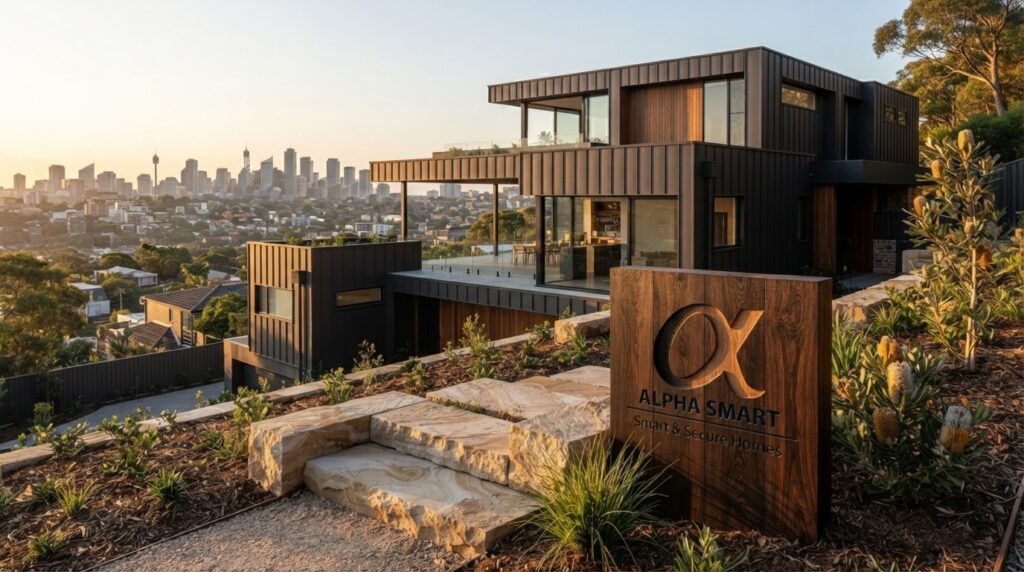
Types of Home Builders Sydney Offers
Sydney’s building industry is vast, offering a range of builder types to suit different project sizes, budgets, and preferences. Understanding the different categories will help you narrow down your options.
Project Home Builders Sydney
Project home builders offer a selection of pre-designed home plans that you can choose from. These designs are typically standardized, which allows the builder to construct homes more efficiently and at a lower cost. Project builders are ideal for buyers who want a quality home without the complexity and expense of a fully custom design.
Many of the well-known home builders in Australia fall under this category, offering hundreds of floor plans and facade options to choose from.
Custom Home Builders Sydney
Custom home builders Sydney provides work closely with you to design and build a home that is entirely unique to your needs and preferences. From architectural style and room layout to materials and finishes, every detail is tailored to your vision.
Custom builds tend to cost more and take longer to complete, but they offer unmatched flexibility and personalization. If you have a specific block of land with unique characteristics or a distinct design vision, a custom builder is the way to go.
Knock-Down Rebuild Specialists of Home Builders Sydney
Knock-down rebuild builders specialize in demolishing an existing home and constructing a new one on the same block. This option is popular in established Sydney suburbs where homeowners love the location but want a modern, updated home.
This approach allows you to stay in the same neighborhood, avoid stamp duty, and build a home that meets current building standards and energy requirements.
Luxury Home Builders
For those seeking premium finishes, architectural excellence, and high-end features, luxury home builders Sydney offers cater to the top end of the market. These builders work with architects and interior designers to deliver residences that are both functional and visually stunning.
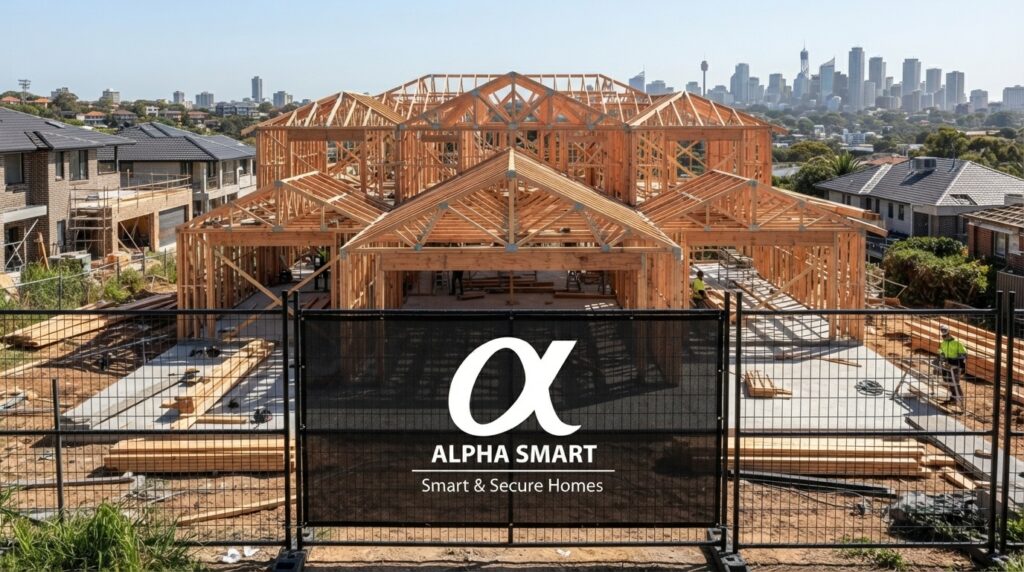
How to Find Trusted Home Builders Sydney Residents Recommend
Finding the right builder takes time, effort, and careful evaluation. Here are the steps you should follow to identify the best home builders Sydney has to offer.
Research Online Reviews and Testimonials
Start by reading reviews on platforms like Google Reviews, ProductReview, and the builder’s own website. Look for consistent positive feedback about communication, workmanship, timelines, and after-sales service.
Check Licensing and Insurance
All home builders in Sydney must hold a valid license issued by NSW Fair Trading. Verify the builder’s license number and ensure they carry adequate insurance, including home warranty insurance, public liability insurance, and workers’ compensation.
Visit Display Homes of Home Builders Sydney
Most reputable home builders Sydney showcases operate display homes where you can see the quality of their work firsthand. Walking through a display home gives you a sense of the builder’s attention to detail, material quality, and design style.
Ask for References of Home Builders Sydney
Request references from past clients and take the time to contact them. Ask about their experience, whether the project was completed on time and within budget, and whether they would recommend the builder.
Compare Quotes
Obtain detailed quotes from at least three builders. Make sure each quote includes a breakdown of costs, inclusions, exclusions, and estimated timelines. Avoid choosing a builder solely based on the lowest price, as this can sometimes indicate lower quality materials or hidden costs.

Understanding the Cost of Home Builders Sydney Projects
Cost is often the most important consideration for homeowners planning to build. The total cost of building a home in Sydney varies widely depending on factors such as the size of the home, the type of construction, the quality of materials, and the complexity of the design.
Average Building Costs in Sydney
As a general guide, the cost of building a standard home in Sydney ranges from $1,500 to $3,000 per square metre. Custom and luxury homes can exceed $5,000 per square metre. Here is a rough breakdown:
| Home Type | Cost Per Square Metre |
|---|---|
| Project Home | $1,500 – $2,200 |
| Custom Home | $2,500 – $4,000 |
| Luxury Home | $4,000 – $6,000+ |
Additional Costs to Consider
Beyond the base construction cost, there are several additional expenses that homeowners should budget for:
- Site preparation and excavation
- Council approval and permit fees
- Landscaping and fencing
- Driveways and pathways
- Interior design and styling
- Connection of utilities (water, gas, electricity)
How to Manage Your Budget
To keep your building project within budget, consider the following strategies:
- Set a realistic budget with a contingency fund of at least 10-15%
- Prioritize needs over wants
- Choose standard inclusions where possible
- Communicate openly with your builder about budget constraints
- Avoid making changes to the design after construction begins, as variations can be costly
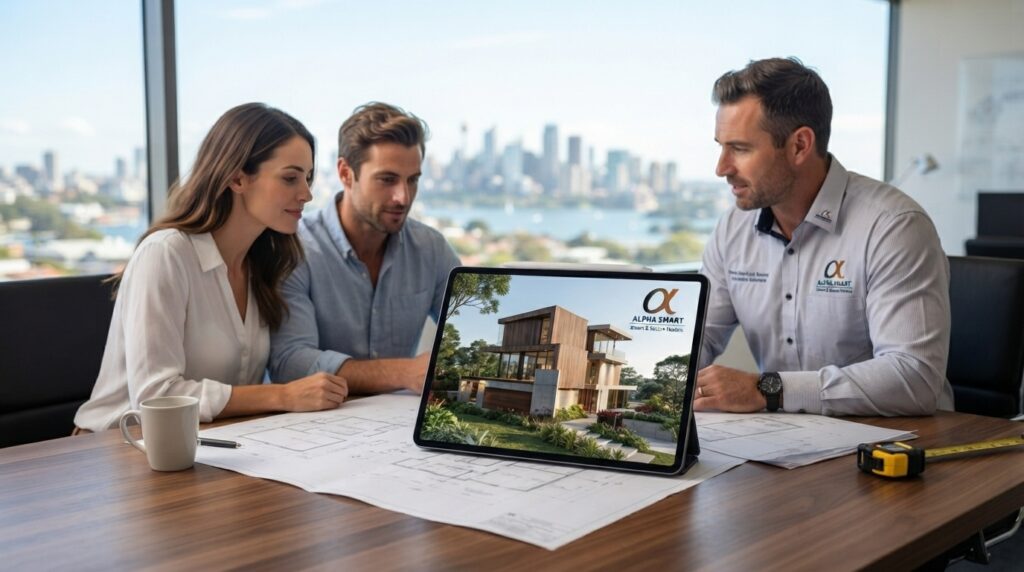
The Building Process with Home Builders Sydney
Understanding the building process can help you prepare for what lies ahead areduce stress throughout the project. Here is a step-by-step overview of what to expect when working with home builders in Sydney.
Step One: Initial Consultation and Site Assessment of Home Builders Sydney
The process begins with an initial consultation where you discuss your vision, requirements, and budget with the builder. The builder will also assess your block of land to identify any site-specific challenges, such as slope, soil type, or access restrictions.
Step Two: Design and Planning of Home Builders Sydney
During this phase, the builder works with architects and designers to create detailed plans for your home. You will review floor plans, elevations, and specifications before finalizing the design. This is also the stage where you select finishes, fixtures, and fittings.
Step Three: Council Approvals of Home Builders Sydney
Before construction can begin, the builder must obtain the necessary approvals from your local council. This includes development approval (DA) and a construction certificate (CC). The timeline for approvals can vary depending on the council and the complexity of the project.
Step Four: Construction progresses of Home Builders Sydney
Once approvals are in place, construction begins. The typical stages of construction include:
- Slab or foundation work
- Frame construction
- Lock-up stage (roof, windows, doors)
- Interior fit-out (plumbing, electrical, plastering)
- Painting and finishing
- Final landscaping and clean-up
Step Five: Handover and Inspections of Home Builders Sydney
When construction is complete, the builder conducts a final inspection with you to identify any defects or issues. Once everything is resolved, the builder hands over the keys, and you can move into your new home.
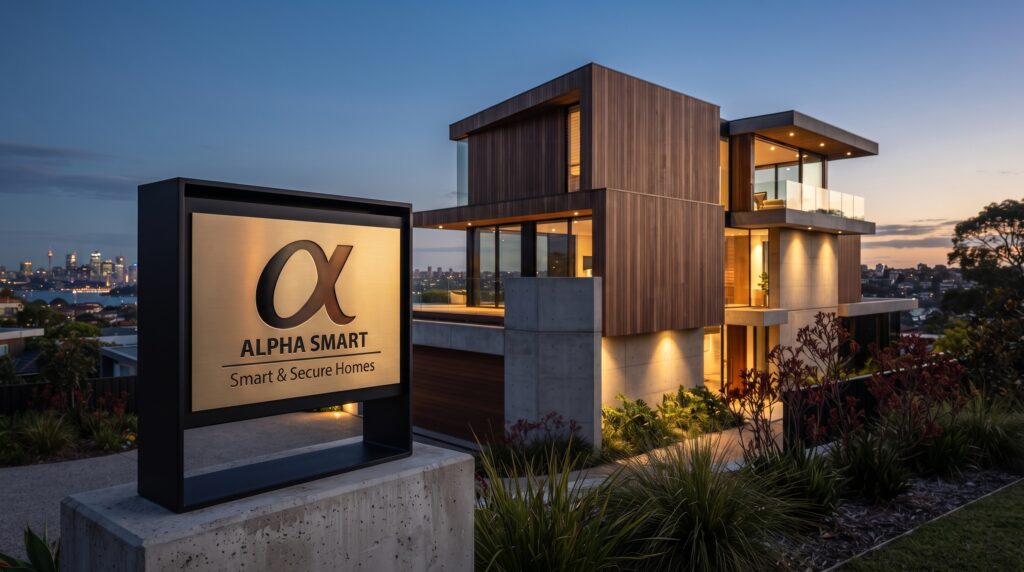
Design Trends Among Home Builders Sydney in Recent Years
Sydney’s residential architecture continues to evolve, reflecting changing lifestyles, environmental awareness, and technological advancements. Here are some of the most popular design trends embraced by home builders Sydney.
Open-Plan Living
Open-plan layouts that combine the kitchen, dining, and living areas remain highly popular. This design creates a sense of spaciousness and encourages social interaction, making it ideal for families and those who enjoy entertaining.
Indoor-Outdoor Integration
Sydney’s climate is perfect for indoor-outdoor living. Large sliding doors, covered alfresco areas, and outdoor kitchens blur the boundaries between inside and outside, allowing homeowners to enjoy their outdoor spaces year-round.
Sustainable and Energy-Efficient Design
More homeowners are prioritizing sustainability in their builds. Features such as solar panels, rainwater tanks, double-glazed windows, energy-efficient appliances, and sustainable building materials are becoming standard in new homes.
The Green Building Council of Australia provides resources and certifications that can guide you in building a more sustainable home.
Smart Home Technology
Smart home features, including automated lighting, climate control, security systems, and voice-activated assistants, are increasingly being integrated into new builds. These technologies improve convenience, energy efficiency, and home security.
Multi-Generational Living
With rising property prices in Sydney, multi-generational homes are gaining popularity. These homes are designed to accommodate extended families, with separate living spaces, multiple bathrooms, and flexible floor plans.
Sustainability and Home Builders Sydney
Sustainability is no longer a luxury or an afterthought. It is a critical consideration for modern home building. Many home builders Sydney now offer eco-friendly options that reduce environmental impact while also lowering long-term operating costs.
Energy Ratings and Compliance
In New South Wales, all new homes must meet a minimum energy rating under the BASIX (Building Sustainability Index) scheme. This ensures that homes are designed to reduce water and energy consumption.
Sustainable Materials
Using sustainably sourced timber, recycled materials, and low-VOC paints and finishes can significantly reduce the environmental footprint of your home. Discuss these options with your builder during the design phase.
Water and Energy Efficiency
Installing water-efficient fixtures, LED lighting, and high-performance insulation are simple yet effective ways to improve the sustainability of your home. Solar panels and battery storage systems can also help you reduce your reliance on the grid.
Common Mistakes to Avoid When Hiring Home Builders Sydney
Even with the best intentions, homeowners can make mistakes during the building process. Here are some common pitfalls to watch out for:
Not Doing Enough Research on Home Builders Sydney
Choosing a builder without thoroughly researching their reputation, experience, and track record can lead to disappointment. Take the time to compare multiple builders and check their credentials.
Ignoring the Contract Details
Always read the building contract carefully before signing. Make sure you understand the terms, inclusions, exclusions, payment schedule, and dispute resolution process.
Underestimating the Budget
Many homeowners underestimate the total cost of building a home. Be realistic about your budget and include a contingency fund for unexpected expenses.
Making Too Many Changes During Construction
Changes made after construction has begun, known as variations, can be costly and cause delays. Finalize your design and specifications before construction starts to avoid this issue.
Skipping Independent Inspections of Home Builders Sydney
Hiring an independent building inspector to review the construction at key stages can help identify issues early and ensure the quality of the build meets your expectations.
Questions to Ask Home Builders Sydney Before Signing a Contract
Before committing to a builder, make sure you ask the following questions:
- How long have you been operating in Sydney?
- Can you provide references from recent clients?
- What is included in your standard inclusions package?
- What is the estimated timeline for completion?
- How do you handle variations and change requests?
- What warranties and guarantees do you offer?
- Are you licensed and insured with NSW Fair Trading?
- How do you ensure quality control throughout the build?
Key Considerations for Choosing Home Builders in Sydney
Choosing a home builder in Sydney requires balancing financial, logistical, and architectural demands. Navigating the local construction landscape requires understanding regulatory requirements, site realities, and long-term planning strategies to ensure your project stays on schedule and within budget.
Understanding Sydney’s Specific Building Regulations and Zoning
Building in Sydney involves strict local planning policies that vary significantly across different municipal councils. Before breaking ground, you must navigate local environmental plans (LEPs) and development control plans (DCPs).
-
Development Application (DA) vs. Complying Development Certificate (CDC): A DA goes through your local council and is required for complex sites, heritage conservation zones, or custom architectural designs. This route can take several months. A CDC is a faster, streamlined approval process through a private certifier, applicable only if your design meets standardized criteria under the State Environmental Planning Policy (SEPP).
-
Bushfire and Flood Overlay Assessments: Properties near bushland require a Bushfire Attack Level (BAL) rating, which dictates fire-resistant construction materials and design modifications. Similarly, sites in designated flood-prone areas must meet specific floor-height levels and structural requirements.
-
Floor Space Ratio (FSR) and Height Controls: Councils strictly limit maximum building height and allowable floor area relative to block size. Knowing these limits early prevents major design revisions later in the approval phase.
Soil Conditions, Site Prep, and Structural Planning in Home Builders Sydney
Sydney’s topography and geology vary drastically, from reactive clay soils in the Western Suburbs to sandstone bedrock on the Northern Beaches and coastal sands in the East. Site conditions directly dictate your foundation requirements and site preparation costs.
-
Soil Classification Tests: Geotechnical engineers classify soil reactivity from Class A (stable) to Class H or E (highly reactive/extreme movement). Building on reactive clay requires engineered slabs, deeper piers, or concrete piers sunk into bedrock, significantly raising upfront site costs.
-
Sloped Blocks and Excavation: Steep or sloping terrain often requires split-level designs, cut-and-fill techniques, and structural retaining walls. Excavating through Sydney sandstone requires heavy machinery like rock breakers, which adds substantial cost and time to early construction phases.
-
Drainage and Stormwater Management: On-site detention (OSD) systems are commonly required by Sydney councils to manage heavy urban runoff during storms. These systems temporarily retain rainwater on-site before releasing it at a controlled rate into public stormwater networks.
Transparent Contracts and Financial Safeguards
A clear, detailed contract protects both your budget and timeline. Never sign a document without thoroughly examining pricing structures, inclusion schedules, and legal provisions.
Home Building Compensation Fund (HBCF) & Warranties
In New South Wales, residential construction projects valued over $20,000 legally require home building compensation insurance.
-
HBCF Coverage: Builders must provide proof of HBCF cover before taking a deposit or starting work. It protects homeowners if the builder dies, disappears, becomes insolvent, or loses their license during construction or the warranty period.
-
Statutory Warranties: Under NSW law, builders must guarantee their work for statutory periods:
-
6 Years: Covers major structural defects (e.g., foundation failure, load-bearing timber collapse, severe waterproofing failures).
-
2 Years: Covers non-structural defects (e.g., minor plaster cracks, sticking doors, interior paint peeling).
-
Evaluating Builder Reliability Beyond Reviews
While online reviews offer a high-level overview, evaluating a builder’s operational capability requires direct verification and targeted questions.
-
NSW Fair Trading License Check: Verify that the builder holds an active licence, has no public disciplinary records, and carries valid public liability and workers’ compensation insurance.
-
Current Worksites Inspection: Ask to visit an active job site rather than a polished display home. Look for site cleanliness, safety practices, organized material storage, and general build quality at the frame or lock-up stage.
-
Subcontractor and Supplier Network: Experienced builders maintain long-term relationships with quality trade crews (carpenters, plumbers, electricians). High trade turnover can lead to inconsistent workmanship and scheduling bottlenecks.
Managing the Construction Timeline Effectively
Building a house typically spans 6 to 18 months depending on complexity, design choices, and external factors. Knowing each milestone helps you monitor progress without micromanaging daily operations.
-
Site Preparation & Foundation (Weeks 1–4): Excavation, plumbing rough-ins under the slab, steel reinforcement installation, and pouring the concrete footings or slab ae
-
Frame & Lock-Up (Weeks 5–16): Wall framing, roof trusses, brickwork, cladding, roofing, window installations, and external doors to make the structure weather-tight.
-
Internal Rough-In & Fit-Out (Weeks 17–28): Running electrical wiring, air conditioning ducting, internal plumbing, plasterboard sheeting, tiling, and installing cabinetry.
-
Practical Completion & Handover (Weeks 29–36+): Final paint coats, fixture installations, detailed inspections, rectifying minor defects (snagging list), and issuing the Occupation Certificate (OC).
Building for Energy Efficiency and Resilience
Sydney experiences a range of extreme weather conditions, from severe summer heatwaves to coastal storms. Designing for energy efficiency lowers running costs and improves year-round indoor comfort.
-
BASIX Compliance: All new homes in NSW must satisfy BASIX targets for water usage, thermal performance, and energy efficiency. Higher insulation values, low-E glass windows, and efficient heating/cooling help exceed minimum baselines easily.
-
Passive Solar Design: Position primary living areas toward the north to capture winter sun while using eaves, pergolas, or awnings to block harsh summer heat.
-
Cross-Ventilation: Place windows and doors strategically to capture coastal breezes and cross-drafts, reducing reliance on mechanical air conditioning during warmer months.


Leave A Comment